

BRAINERD, MINN. – During these difficult times, the outdoors has become the place to be, a safe place so it seems. Thankfully, Minnesota has a lot to offer those willing to step outside.
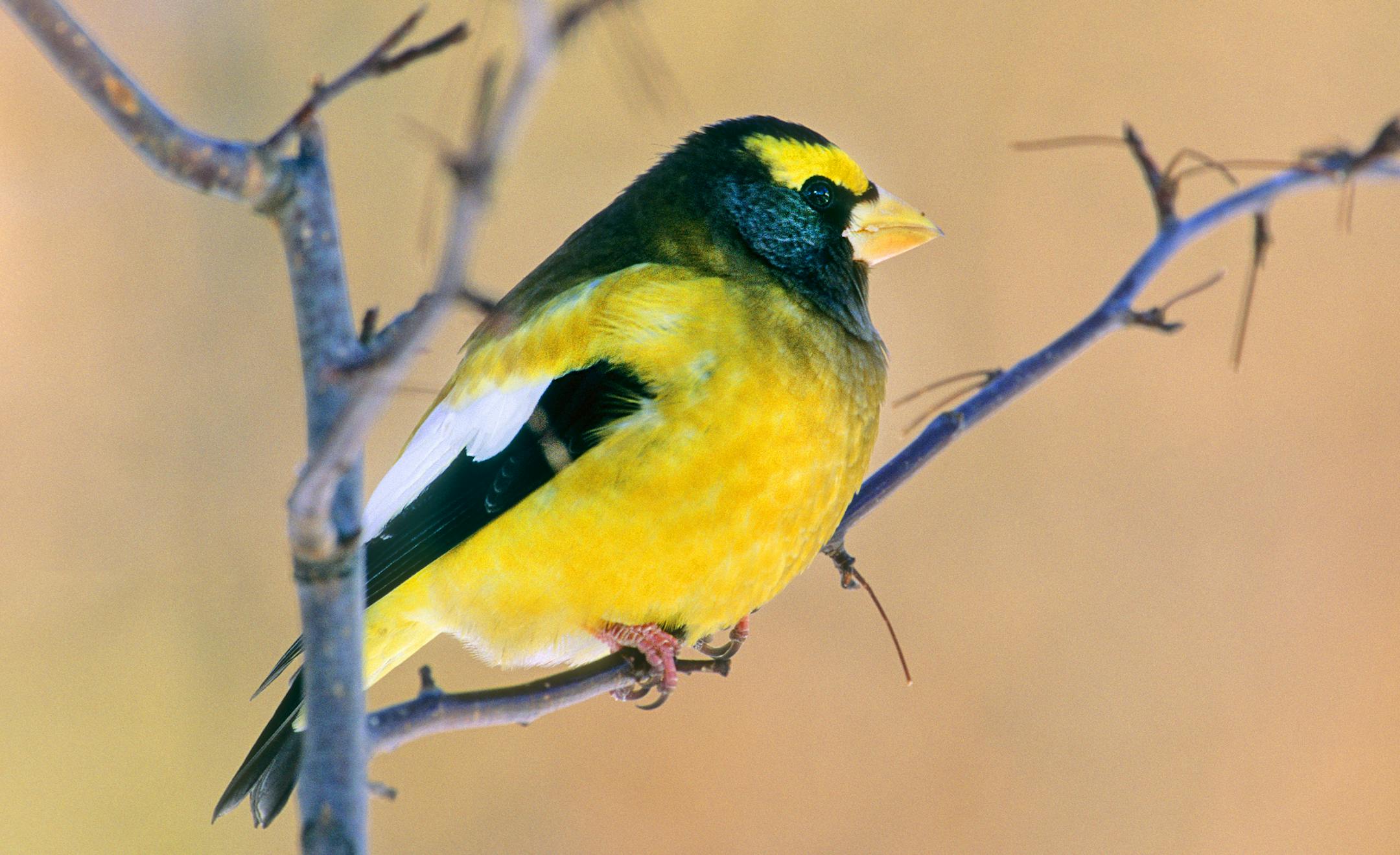
Bird-watching, or birding as it is called, is more popular then ever. And this winter, birders are especially excited about an "invasion," or movement southward out of Canada, of evening grosbeaks, a large, heavyset, colorful and relatively tame member of the finch family.
I grew up on the north side of Brainerd. My family fed birds, as did many of our neighbors. Evening grosbeaks were common visitors to backyard feeders during winter, the males sporting attractive plumage of yellow, black and white. The females are striking, too, though more subtly plumed than the males.
As colorful as they are, evening grosbeaks were no big deal back in the 1960s and '70s. We watched them shell sunflower seeds, one after another, with their heavy, stout beaks, littering the snow with hulls as they fed. Grosbeaks are noisy birds, too, and can usually be heard emitting sweet chirps.
In the world of evening grosbeaks, a lot has changed in the past 50 years. Numbers of the popular bird have plummeted.
For example, I took the image on this page in 1995. As a wildlife photographer I, of course, spend a great deal of time outdoors. Since 1995 I have had zero opportunities to photograph evening grosbeaks in or around Brainerd. I own land south of town, land that I extensively manage for wildlife, which includes bird feeders. Still, no evening grosbeaks.
Admittedly, had I traveled north I could have found grosbeaks to photograph, but my point here is to demonstrate how scarce the birds have become in central Minnesota.
This winter might be different because of the "invasion." Evening grosbeaks are being spotted in locations outside of the normal range where at least a few show up each winter.


