

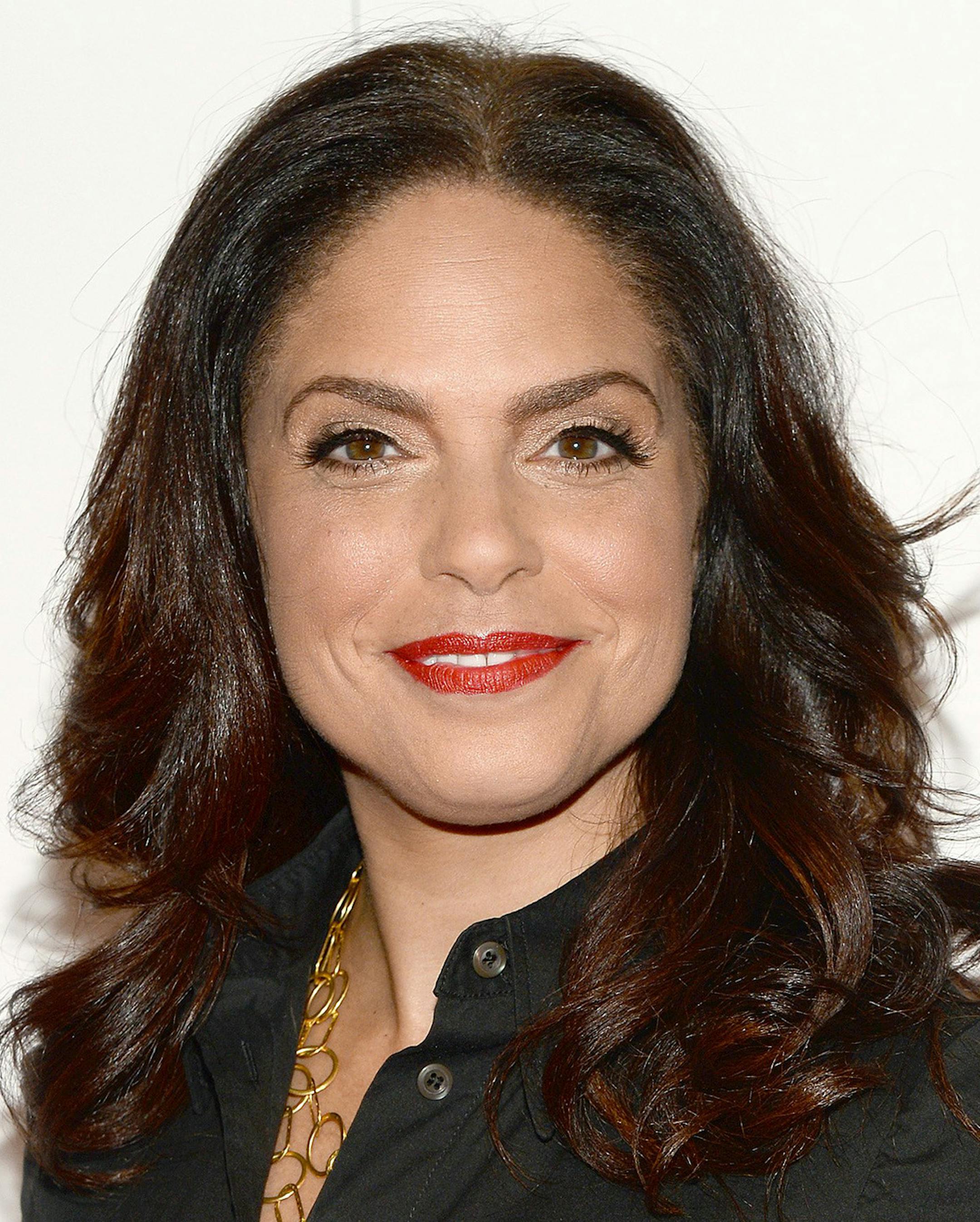
Part 2 of my interview with award-winning journalist Soledad O'Brien takes us into the territory she likes best: uncomfortable questions about sex, race and politics and a journalist's power to call out people. We talked when O'Brien hosted one of her "PowHERful Summits" for young women in December at the Marriot City Center.
Q: Do you have to badger anybody for an interview, or do you get all you want?
A: A little bit of both. I failed [to land] Luther Vandross. He agreed and then he backed out and I loved him. I loved him so much I was hyperventilating the day I was to interview him. Then he died. I'm pretty clear about what I'm going to ask people. I don't believe in ambushing people. I want them to be educated in their answers. Sometimes it is hard when people know where this conversation is going and don't want to talk about it. Certainly elected officials. You can't get a Republican talking about the tax bill at this moment. So that has been hard to book. For the most part, the people I want to talk to, some of them like me back and I think most of them like my work. The way I do interviews is fair.
Q: You are so pleasant and amiable. Why do you enjoy grilling people?
A: I am pleasant and amiable usually, but I find hypocrisy frustrating. I didn't ever want to be a lawyer but I like the structure of an interview. It's the building of your case in order to get to the next question. When you walk someone into saying a thing and then you say, "Well, if that's the case, sir," — slaps hand on table — "why did you do such and such?" I think calling people on things is fun to do. Being smart and having studied something [for] an interview feels like a bit of sport to me. You put the work in and then you execute on the field. I don't do it surreptitiously just to fight with people. I want to have a real argument that we are walking through, not just, "Hey, I'm going to pummel you, because you happen to be sitting on a chair on my set."
Q: You're also very comfortable with uncomfortable conversations.
A: [Nodding yes] I think for a journalist, learning how to keep your mouth shut is really a great thing; just sit in this awkward silence. People can't stand it so they start talking. I love it. It's a powerful tool that you don't realize until you've gotten to do it.
Q: Is Donald Trump getting away with a narrative that normalizes white supremacy?


