

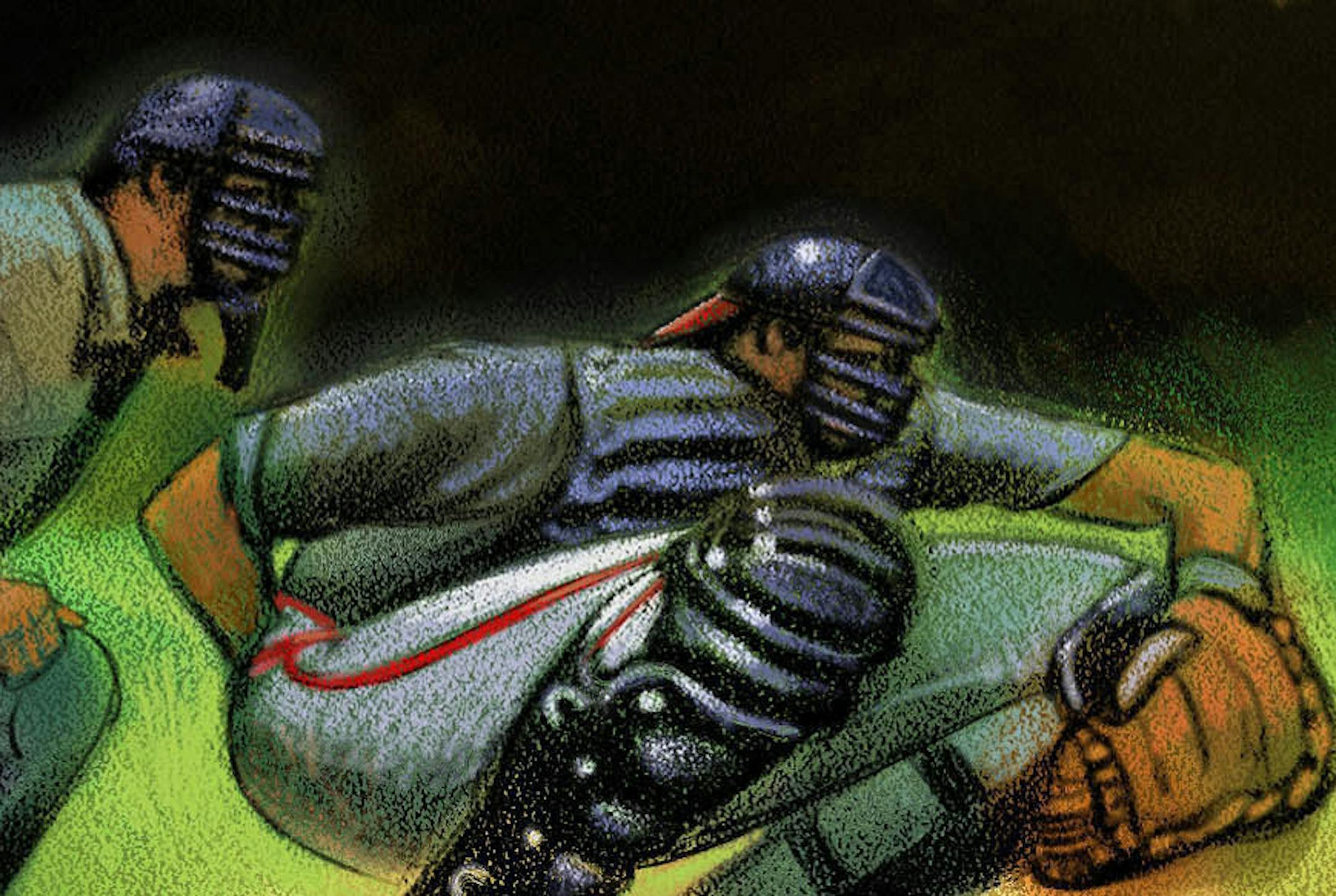
The base runner slides in, throwing up a cloud of dust and dirt. The catcher stands his ground as he takes the throw. There is a cataclysmic moment of collision between the baseball, home plate and the players' wills. The umpire's arm goes up. "Yer out!" he cries.
And the hometown fans stare in disbelief. "We was robbed," they lament.
At this juncture in baseball's long history, so intertwined with that of the country that calls the sport its national pastime, the game stands at the brink of the abyss. The leaders within the major leagues have decided to follow the money and opt for instant replay. Yes, we understand that the owners, umpires and players must all sign off, but it appears that the skids are greased on this watershed decision.
Over the years, baseball has evolved as people tried to make it better. The baseball itself has changed. The pitcher's mound is different. You can't throw spitballs anymore. And, of course, there's the designated hitter — but that's another debate.
Still, those tweaks never really altered the fundamental scheme of things. It is amazing that a game played on a diamond-shaped field, with bases 90 feet apart and the pitcher's rubber 60 feet and 6 inches away from the back edge of home plate has survived from the 1880s until today. The athletes are bigger and probably better, but the game still works. Amazing.
It took the will of the baseball community all those years to preserve the game as it is. But instant replay will bring a fundamental change. It may increase short-term profits, but may destroy the beauty, charm and heart of the sport.
Baseball is what it is. People make mistakes, and mistakes are part of life and part of the fabric of baseball. The baseball scoreboard shows hits, runs and errors. Eighteen players square off on the field, and four umpires (at the major-league level) make the critical decisions that guide the sport. Every play is a decision. Every time the pitcher tosses one up there, the umpire must rule.
It's a game of judgments, made by real people reacting to real situations. It's a game where a lot of mistakes are made. It's a human game.


