Inspiring youth to find their voice and take charge of their health outcomes

November 5, 2025

Too often, conversations surrounding the challenges faced by young people leave out the very group affected by them. These two initiatives are looking to change that.

Provided by Blue Cross and Blue Shield of Minnesota

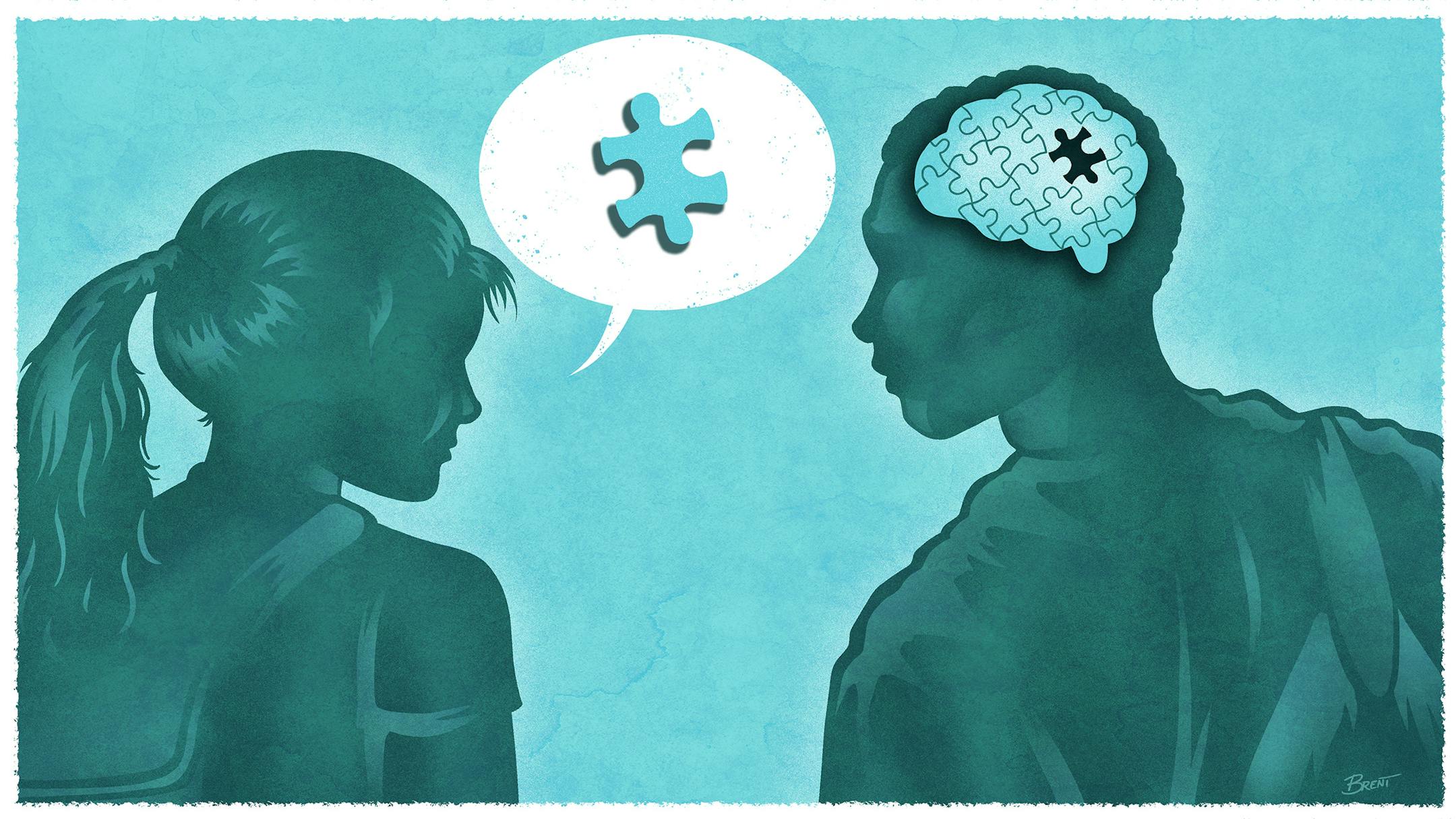
Growing up has never been easy. And right now, new challenges are not only adding to young people’s struggles – they’re putting their health at risk.

Youth today face unprecedented health challenges, including increasing loneliness and isolation. The good news? There are real steps that can be taken to address these issues and improve youth health outcomes, and it all starts with listening.

Two Minnesota programs, Minneapolis Institute of Arts (Mia) Teen Perspectives and ThreeSixty Journalism’s Multimedia Storytelling Institute, are empowering high school students to be changemakers, storytellers and leaders.

These two initiatives, supported by Blue Cross and Blue Shield of Minnesota, give young people a chance to draw on their own lived experiences and inspire change on critical health issues.

In its fourth year, the Mia Teen Perspectives program offers high school students the opportunity to explore health and culture where it intersects in their communities through art.

This year, during the seven-week program, students were mentored by local teaching artists including Kprecia Ambers, Leslie Barlow, Graci Horne, Lisse Karpeh, and Akiko Ostlund. Students explored topics related to mental health and had the unique opportunity to connect their work to the Alicia Keys and Swiss Beatz art collection, the Giants Exhibition at Mia.

Using mixed media art pieces, students demonstrated deeply personal and fresh perspectives on mental health and healing in our state.
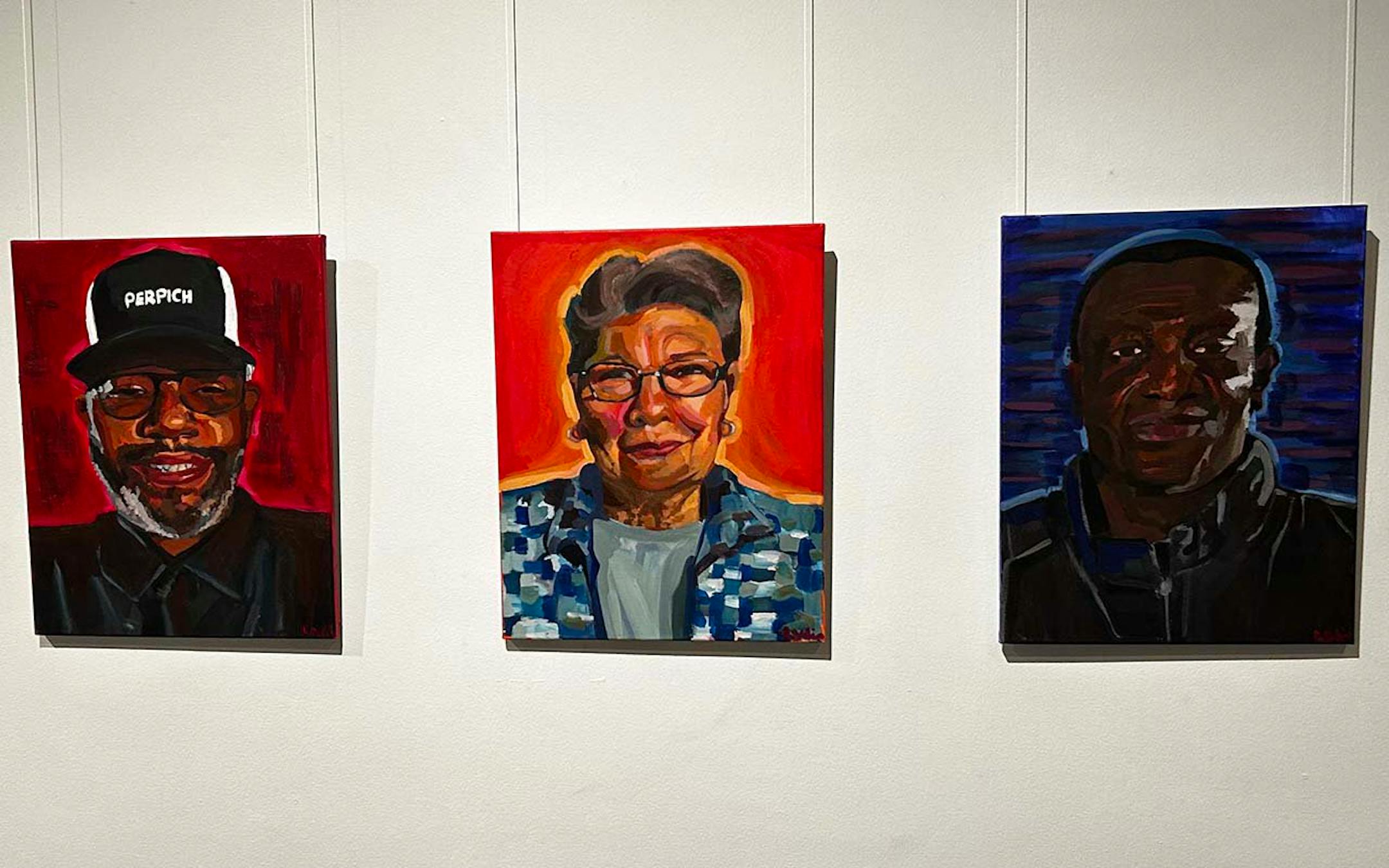
Art produced by students at Minneapolis Institute of Arts (Mia) Teen Perspectives

“This program is more than an opportunity to make art—it’s a space for teens to process, challenge, reimagine the world around them,” said Anna Dilliard, Manager of Programming at Mia.
Similarly, ThreeSixty Journalism offers high school youth opportunities to have their own voice and lived experiences centered in media through journalism.

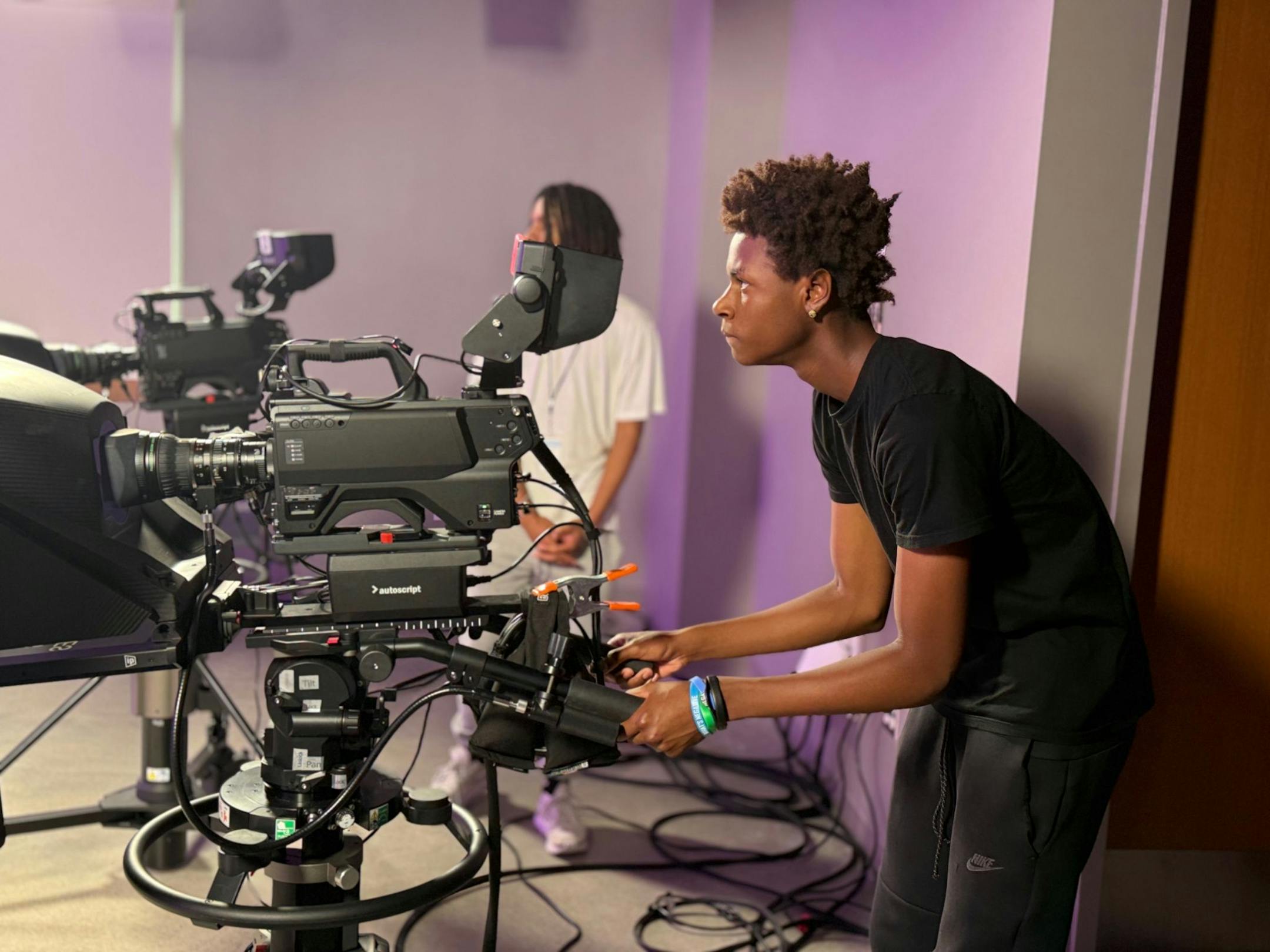
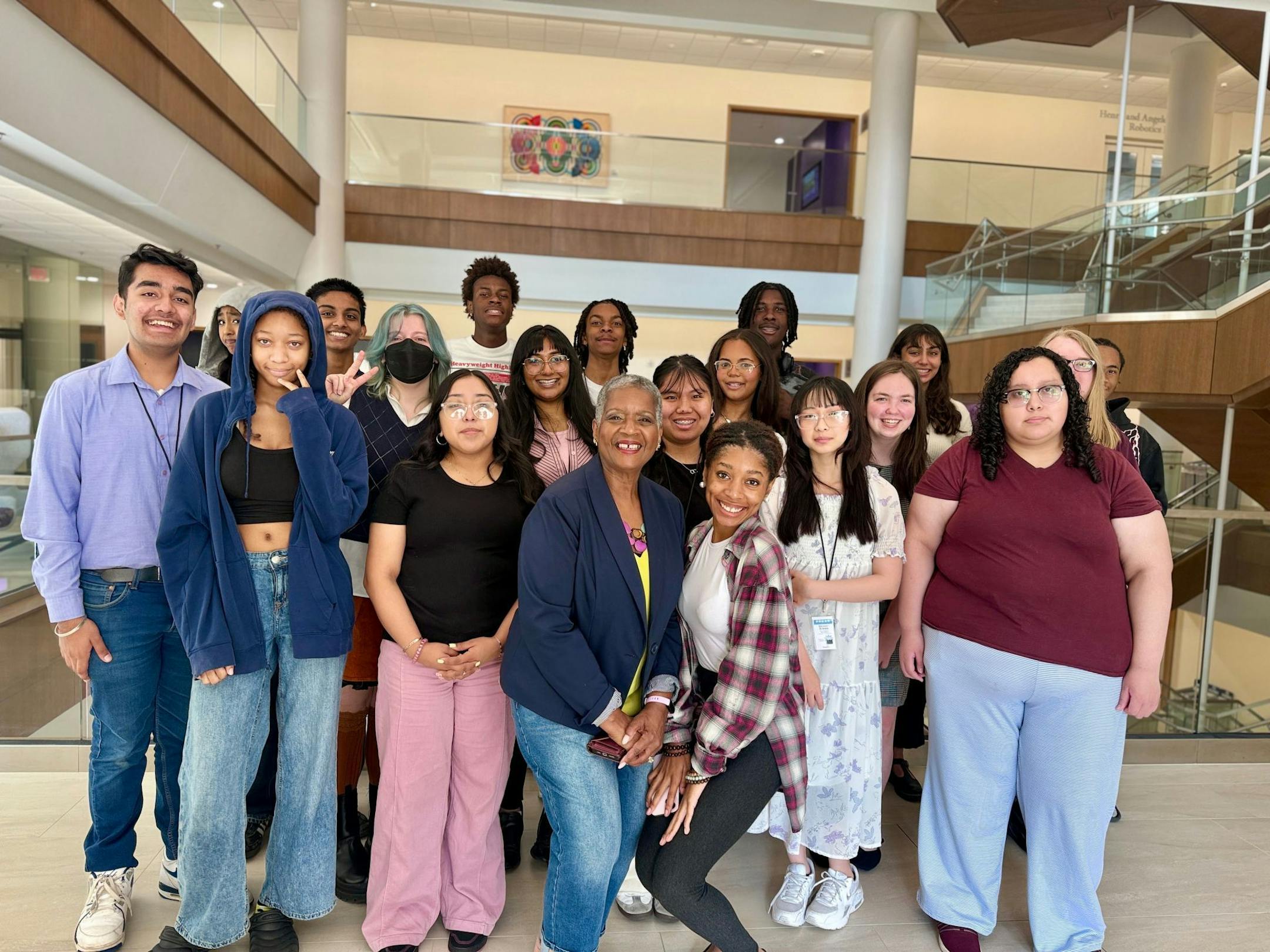
ThreeSixty Journalism’s Multimedia Storytelling Institute is a three-week immersive camp where students learn about reporting from a roster of local media experts and partnerships with all of the major television networks.

Students participating in ThreeSixty Journalism’s Multimedia Storytelling Institute

This year, The Multimedia Storytelling Institute’s theme was addiction and recovery, an issue that closely impacts many young people today. From fentanyl and methamphetamine to social media and screen time, youth are especially vulnerable when it comes to addiction.

Students reported on addiction in Minnesota and the impacts it can have on young people and showcased community leaders working to support recovery.

At the same time, students had the opportunity to develop their writing and communication skills and work directly with some of the industry’s leading professionals to call attention to the impacts of addiction in the state.

“By empowering young people to report on the topic of addiction and recovery, we’re not just teaching journalism—we’re investing in civic health,” said Kenzie O’Keefe, Director of ThreeSixty Journalism.

“Teaching journalism to a future generation of media professionals builds deep listening skills, fosters systems thinking, and strengthens their ability to connect communities across differences.”

A student films content at ThreeSixty Journalism’s Multimedia Storytelling Institute

The artwork and stories produced by youth in ThreeSixty Journalism and Teen Perspectives have created important reflections on community health, offering viewpoints that not only resonate with other youth but also help Minnesotans of all ages to be more informed and empathetic.

“Youth perspectives are already shaping the future,” Dillard said.

“They’re learning from us, seeing our wins and losses, while imagining their ideal world. They’re able to reflect on the ways we’ve fallen short and offer new solutions. They’re not willing to accept what we’re leaving for them; they want more. And with that determination, they’re going to make it happen—as long as we’re willing to listen.”