
Healthy Food, Healthy Minnesota: Why “Food as Medicine” Matters

Proper nutrition can prevent chronic, diet-related diseases and reduce healthcare costs

Provided by Blue Cross Blue Shield of Minnesota

October 13, 2025 at 7:50PM
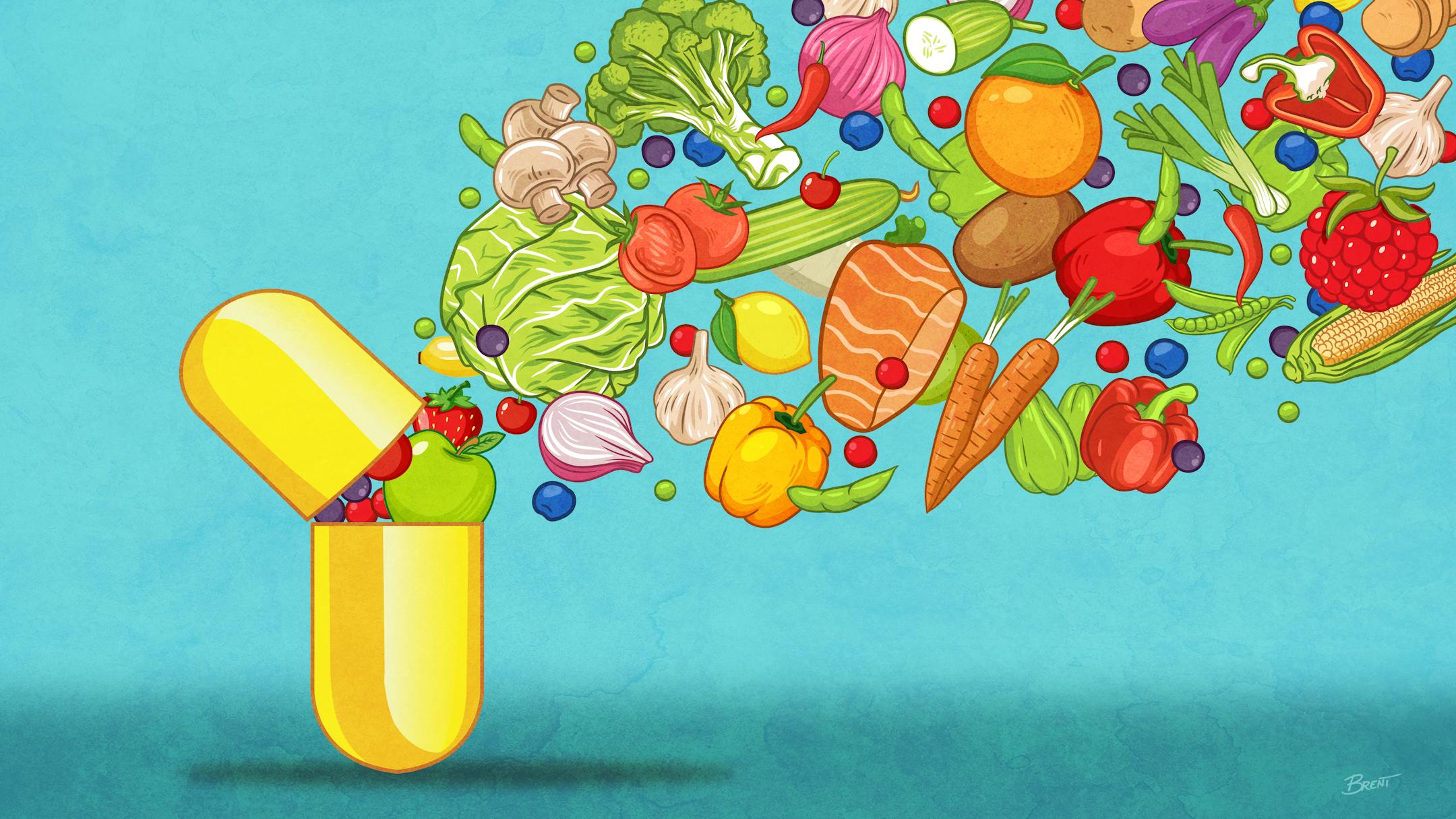
Food is medicine illustration

Food isn’t just fuel — it has the power to influence individual health and well-being. Access to nutritious food can prevent chronic diseases, reduce healthcare costs, and improve our overall quality of life.

That’s why many Minnesotans are recognizing that food is also medicine. When communities have access to fresh, nutritious food, they thrive.

Unfortunately, many communities don’t have that access. Rising grocery bills, food deserts, and cultural barriers make it harder for many Minnesotans - especially in low-income and underserved communities - to eat a healthy diet.

According to a recent Pew Research Center study, nearly seven-in-ten Americans say the increased cost of nutritious food has made it more difficult to eat healthy. They often turn to unhealthy, highly processed food.

This has an impact on public health. Diet-related diseases like diabetes, heart disease, and cancer top the list of leading causes of death in the United States and are one of the primary drivers of increased healthcare costs.

Supporting Organizations that Make a Difference

Fortunately, community-led organizations are addressing this challenge. Blue Cross and Blue Shield of Minnesota has been a key partner in their efforts for over a decade.

Through its Food Access Funding Initiative Blue Cross supports 12 local nonprofit organizations throughout Minnesota. The funding helps break down barriers to healthy eating in the communities most affected by food insecurity.

One example is Dream of Wild Health, one of the only Native American-led farms in the Twin Cities. Through regenerative organic gardening, community education, seed preservation and cultivation, youth programming, and Indigenous Food Shares (weekly boxes of fresh fruits, vegetables, legumes, and grains), Dream of Wild Health is championing the power of food as medicine.

“For Native communities, food is deeply tied to our health, culture and wellbeing,” says Executive Director Neely Snyder. “Revitalizing our traditional foods nourishes our bodies, carries our culture and language, and strengthens community bonds.”

Hmong American Farmers Association (HAFA) is another local organization actively working to improve food availability in Minnesota. Their work seeks to demonstrate the vital link between community health, land access and the ability to grow culturally relevant food.

Through HAFA programs like Veggie Rx, patients with chronic health conditions and food insecurity receive boxes of fresh produce grown by Hmong farmers, along with recipes to help them cook it.

As co-founder Janssen Hang puts it, “We create opportunities for everyone to thrive by supporting farmers and ensuring equitable access to fresh, healthy food.”

A Healthier, Happier Minnesota

These aren’t just feel-good projects. They have a statewide impact. In 2016 alone, food insecurity was linked to nearly $53 billion in excess healthcare costs in the United States.

By investing in prevention and giving families the tools to eat well before illness strikes, Blue Cross and its partners are helping reduce these costs while improving lives.

“Increasing access to healthy foods is fundamental to improving health and wellbeing, especially for those facing the greatest barriers to food security in our state,” said Bukata Hayes, Chief Community Health Officer at Blue Cross and Blue Shield of Minnesota.

“Efforts like our Food Access Initiative, work not only to center community-led efforts to overcome barriers to good health in their communities, but can help positively move the needle on healthcare costs for all Minnesotans.”

The work of Dream of Wild Health, HAFA, and partners like Blue Cross is grounded in a simple but powerful idea: when communities have access to nutritious, culturally meaningful food, everyone benefits.

As Neely Snyder says, “Access to nutritious food is critical to health and resilience. Focusing on food as medicine reaffirms this connection.” By putting nourishing food within reach for every community, Minnesota strengthens families, supports farmers, and creates a healthier future for all.