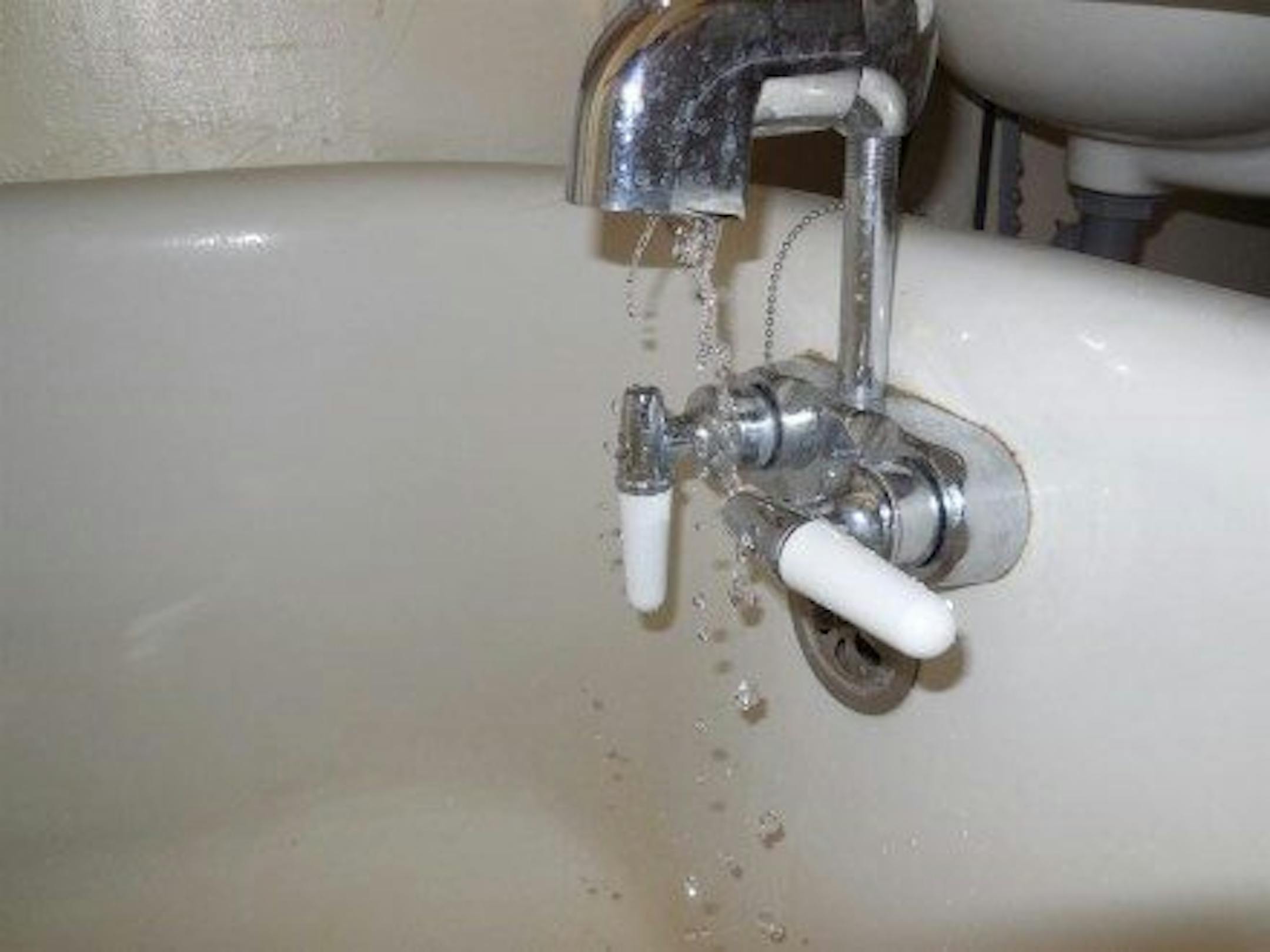
If you're buying an old house, beware of old water supply pipes; specifically, galvanized steel or lead. These pipes can lead to poor water flow in homes, to the point where you can't even run water in two places at once.
Water supply pipes vs. water distribution pipes
For this blog post, the focus is on water supply pipes. That's the pipe that brings water from the city main into your building. The rest of the water piping found inside your home is water distribution piping. This is an important distinction because the rules for these two materials aren't the same. Again, today I'm just focusing on water supply piping.
Galvanized Water Supply
The problem with galvanized water piping is that it corrodes on the inside, leading to smaller inside diameters. Think of clogged arteries. These lead to high blood pressure in people, but it will not lead to higher water pressure in a home. It doesn't lead to lower pressure either, despite the common misconception of homes having poor water pressure. It's actually quite unusual for a home to have low water pressure because the pressure will be whatever the city delivers. Clogged water mains lead to a massive reduction in water flow, however.
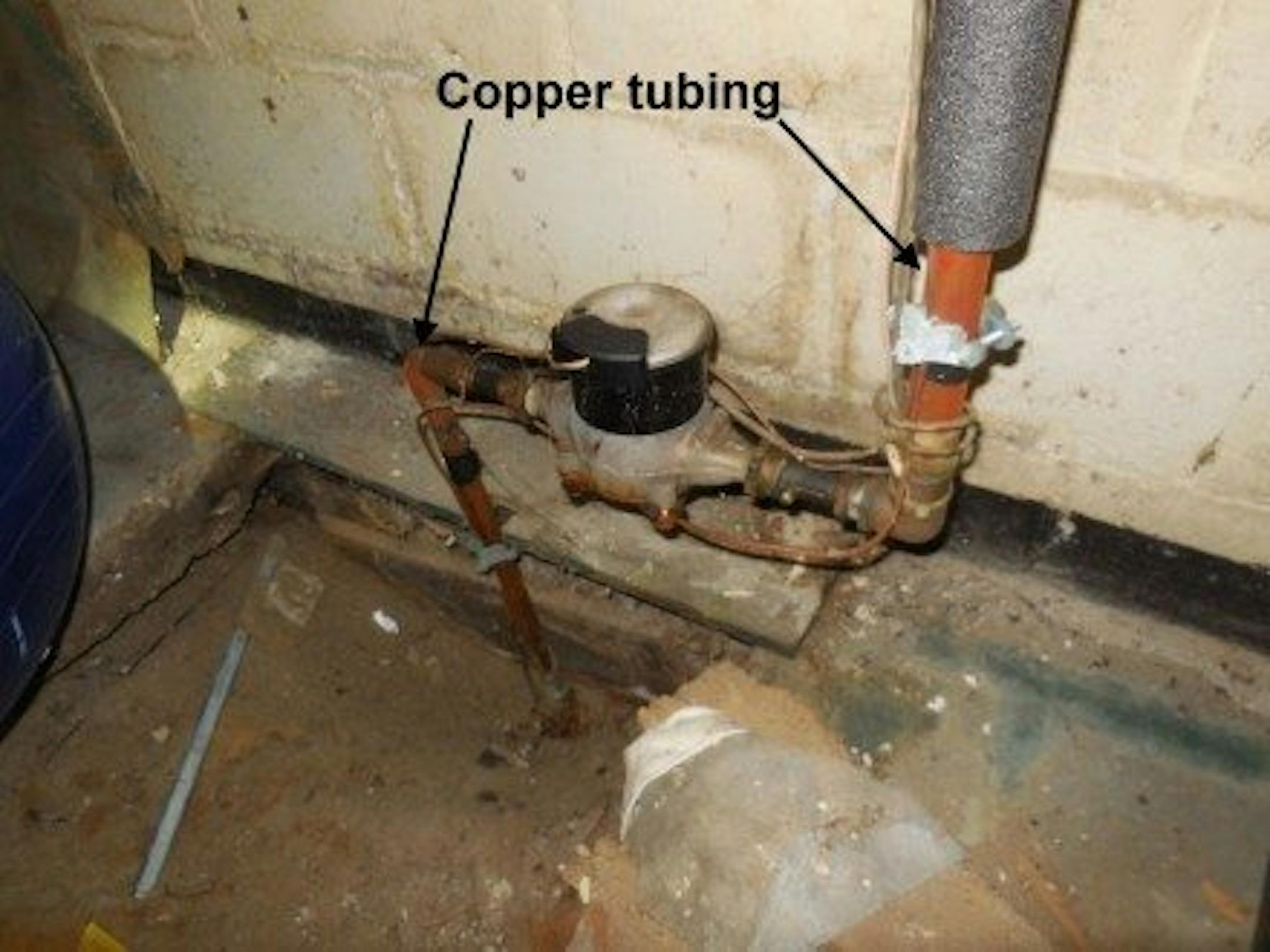
To know if you have galvanized steel water supply piping, look at your pipe where it comes into the basement through the floor. If this water piping has a threaded fitting, it's probably a galvanized supply pipe. Galvanized or lead water pipes were used in Minneapolis homes exclusively up until 1928, and in Saint Paul homes up until 1925. Minneapolis' transition to copper water supply pipes was complete by 1932, and Saint Paul's transition was complete by 1926.
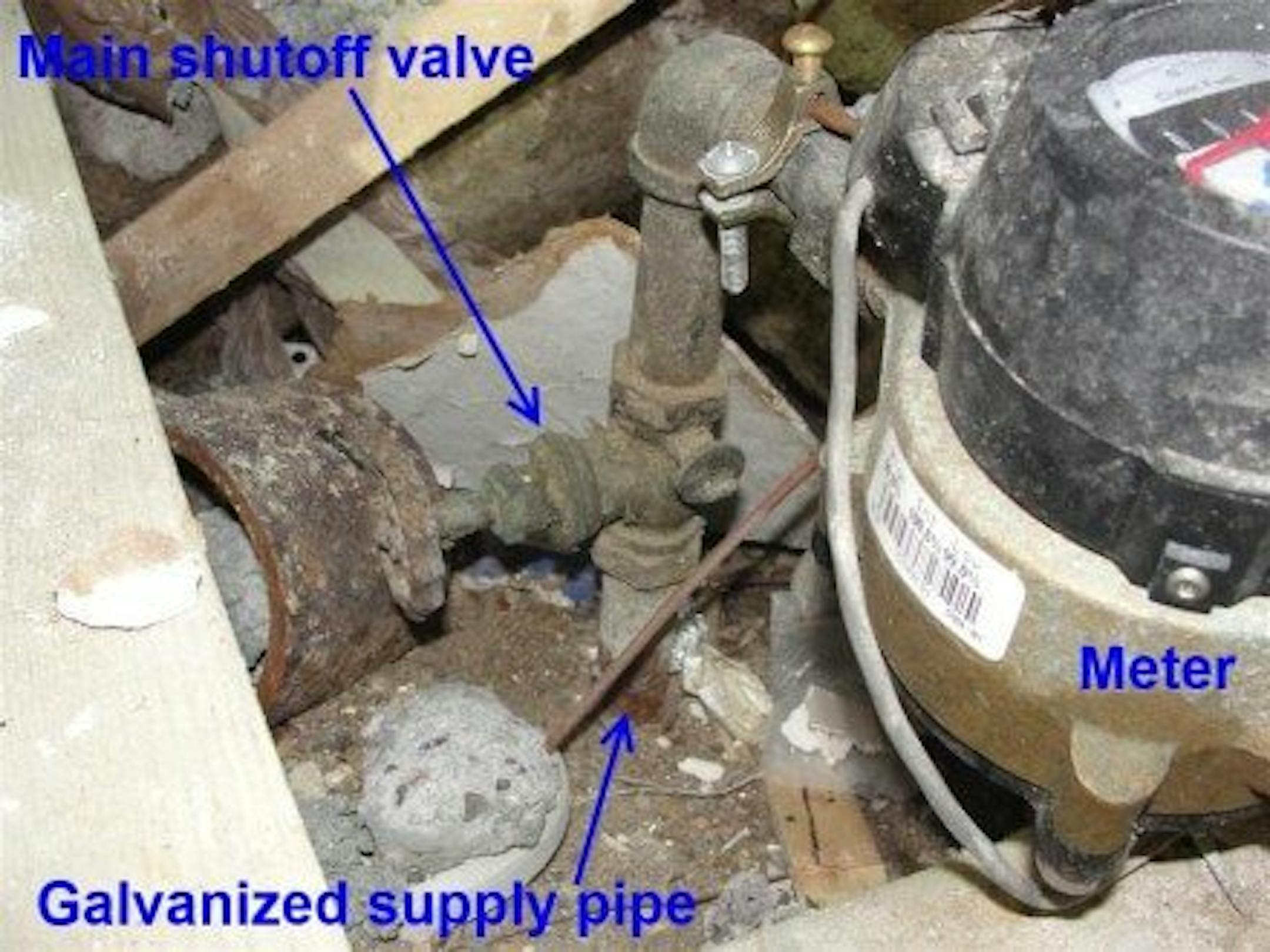
Most Minnesota homes with galvanized supply pipes have such poor water flow that doing laundry and taking a shower at the same time is impossible. If you're buying an older home that's listed for sale in Minneapolis, take a look at item #19 on the Truth-In-Sale of Housing evaluation report; this item asks if the water supply piping is copper. If the piping is copper, this item should be marked as "M". If the piping is something else, such as galvanized steel, lead, or plastic, this item should be rated "C" for comment, and there should be a comment stating the water supply piping is not copper.
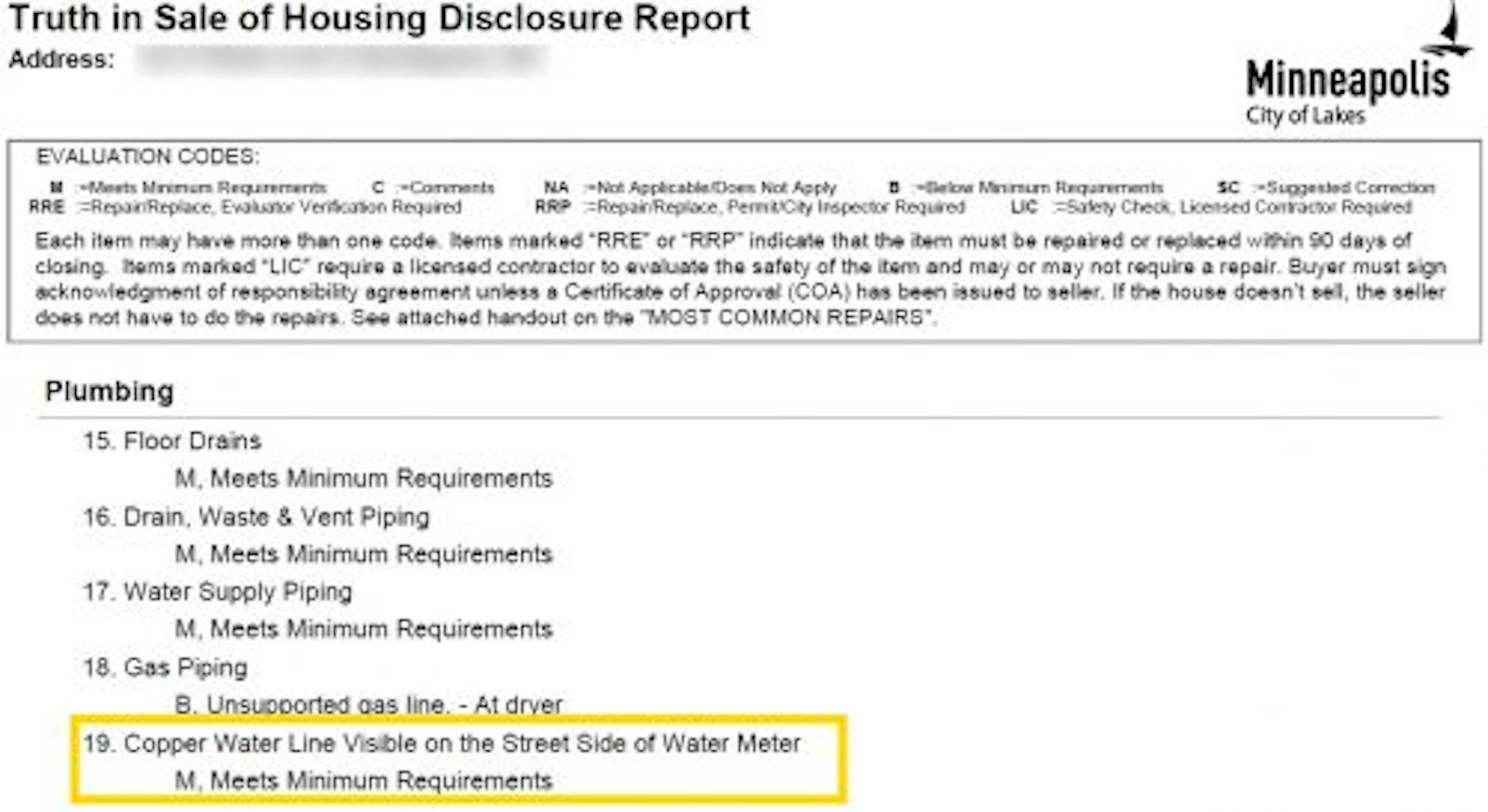
A better description for item #19 would probably be "Copper or Plastic Water Line Visible on the Street Side of Water Meter", but these reports have a lot of old language in them that takes a lot of effort to change.
If the water piping coming into the home can't be found, access is blocked, or the main valve is located too close to the floor to determine the type of water supply piping, one option is to call the municipal waterworks department to find out what type of water supply piping the house has. This is easy to do in Minneapolis, as they keep detailed records of exactly what type of water supply pipe was installed, and when it was installed. If you're within the city limits, just call 311 on your mobile phone.
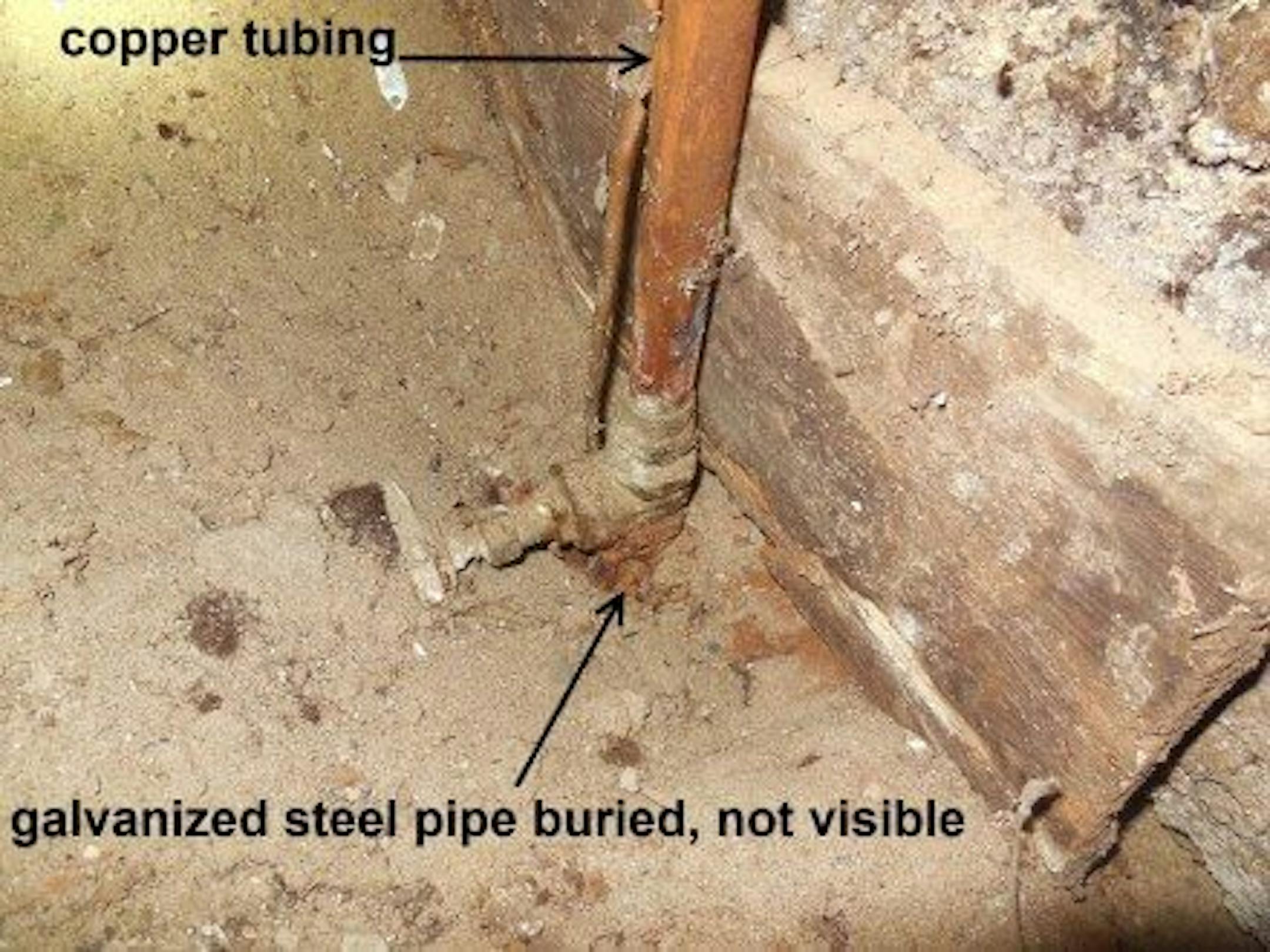
The two photos below show a home with a galvanized water supply; all that can be seen is copper, but the piping below the earth is actually galvanized.