

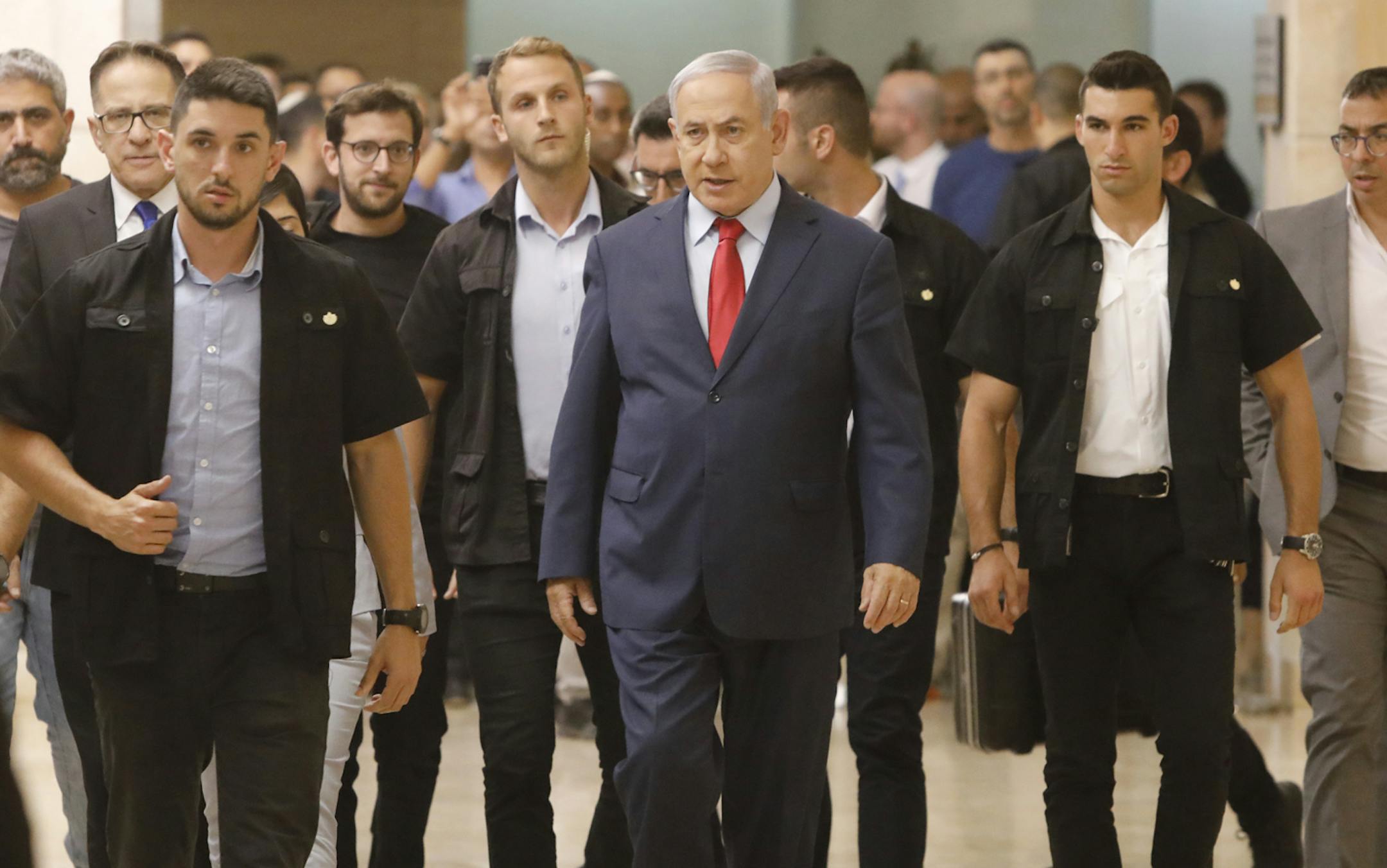
Benjamin Netanyahu's election in April to a presumptive fifth term as Israel's prime minister promised to do two things: make him his country's longest-serving leader (bettering David Ben-Gurion's 13 years and 127 days as of July 16) and empower him to consolidate a security-minded vision.
Netanyahu will still set the service record. The political coalescence proved more difficult. Having failed to form a coalition government within the allotted time after the vote, the prime minister opted Wednesday for new elections this fall rather than seeing the privilege passed to another lawmaker, and the parliament acceded and dissolved. For now, Netanyahu will preside over an interim government. The abortive result is the first such for Israel since its 1948 founding.
Under a parliamentary system, Israelis do not vote for candidates but for parties, which then receive proportional representation in the Knesset. No party has ever won an outright majority, so coalitions are required. Netanyahu's Likud party won enough seats in April to put a new coalition majority within reach, even though the campaign, personality-driven despite the system, was the most closely fought in years. Ultimately, Netanyahu missed by one.
Limited geopolitical meaning can be drawn from the upheaval. The main obstacles were internal — disagreement over exemptions of ultra-Orthodox men from the military draft and limitations brought on by Netanyahu's legal situation. (He faces corruption allegations and possible charges, and his supporters were seeking legislation making members of the Knesset, of which he is one, immune from prosecution while in office.) The issue the rest of the world sees as pre-eminent for Israel — its conflict with the Palestinians — has devolved into a solid-state status quo.
Indeed, the week's developments are likely to delay the Trump administration's pending Mideast peace plan brokered by first son-in-law Jared Kushner. Of that plan — set to begin with an economic workshop in June — the phrase "dead on arrival" has been uttered, so perhaps more time in transit can only help. Kushner himself arrived in Jerusalem on Thursday, greeted by further uncertainty in a world brimming with it.


