
Inside a culture of VA cover-ups

The agency has been taught, over time, to hide its problems from Washington.

The Washington Post
May 31, 2014 at 3:08AM
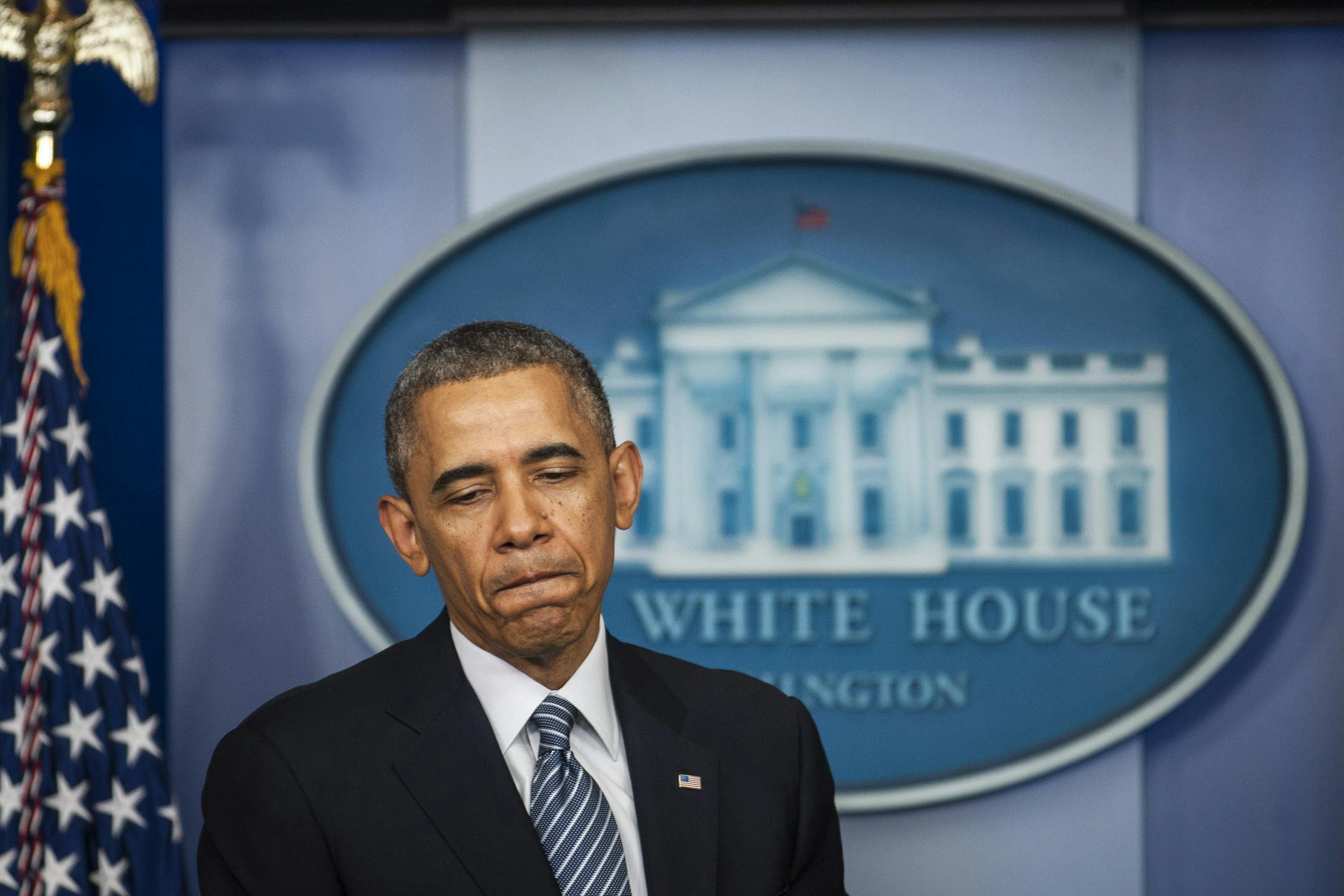
President Barack Obama while speaking at a news conference following a meeting with Secretary of Veterans Affairs Eric Shinseki at the White House, in Washington, May 30, 2014. Obama said that he had accepted Shinseki's resignation Friday after mounting evidence of widespread misconduct and mismanagement at the agency’s vast network of medical facilities was revealed. (Gabriella Demczuk/The New York Times)
President Barack Obama while speaking at a news conference following a meeting with Secretary of Veterans Affairs Eric Shinseki at the White House, in Washington, May 30, 2014. Obama said that he had accepted Shinseki’s resignation Friday after mounting evidence of widespread misconduct and mismanagement at the agency’s vast network of medical facilities was revealed. (Gabriella Demczuk/The New York Times) (The Minnesota Star Tribune)

About two years ago, Brian Turner took a job as a scheduling clerk at a Veterans Affairs health clinic in Austin, Texas. A few weeks later, he said, a supervisor came by to instruct him how to cook the books.

"The first time I heard it was actually at my desk. They said, 'You gotta zero out the date. The wait time has to be zeroed out,' " Turner recalled in a phone interview. He said "zeroing out" was a trick to fool the VA's own accountability system, which the bosses up in Washington used to monitor how long patients waited to see the doctor.

This is how it worked: A patient asked for an appointment on a specific day. Turner found the next available time slot. But, often, it was many days later than the patient had wanted.

'It wasn't a secret at all'

Would that later date work? If the patient said yes, Turner canceled the process and started over. This time, he typed in that the patient had wanted that later date all along. So now, the official wait time was … a perfect zero days.

It was a lie, of course. But it seemed to be a very important lie, one that the system depended on. "Two to three times a month, you would hear something about it," he said — another reminder from supervisors to "zero out." "It wasn't a secret at all."

But all this was apparently a secret to Secretary Eric Shinseki, perched 12 levels above Turner in the VA's towering bureaucracy. Somewhere underneath Shinseki, the fact that clerks were cheating the system was lost.

On Friday, Shinseki resigned and was replaced by his deputy. But his departure is unlikely to solve the VA's broader problem — a bureaucracy that had been taught, over time, to hide its problems from Washington. Indeed, as President Obama said, one of the agency's key failings was that bad news did not reach Shinseki's level at all.

Until recently, the VA had been seen as a Washington success story. In the 1990s, reformers had cut back on its middle management and started using performance data so managers at the top could keep abreast of problems at the bottom. Then that success began to unravel.
As the VA's caseload increased during two wars, the agency grew thick around the middle again. And then, when the people at the bottom started sending in fiction, the people at the top took it as fact.

"Shinseki goes up to Capitol Hill, and says, 'I didn't know anything.' I find it perfectly believable," said Paul Light, a professor at New York University who has studied the bureaucracy of the VA and others in Washington. "And that's a real problem."

For decades, the VA was a byword for bureaucracy itself, seen as Washington's ultimate paper-pushing, mind-bending hierarchy. That reputation was rooted in the VA's history: It came about because its first leader was an audacious crook.

He wildly misspent taxpayer money

Charles Forbes was chosen to head the Veterans Bureau by his poker buddy, President Warren Harding, in 1921. Forbes took kickbacks. He sold off federal supplies. He wildly misspent taxpayer money. Eventually, Forbes was caught. In 1923, a White House visitor opened the wrong door and found Harding choking Forbes with his bare hands.

Forbes was eventually convicted of bribery and conspiracy. But afterward, the VA's next leaders built in layers of bureaucracy and paperwork — to be sure that nobody would ever have the same freedom to steal. Seventy years later, the place was still wrapped in that red tape.

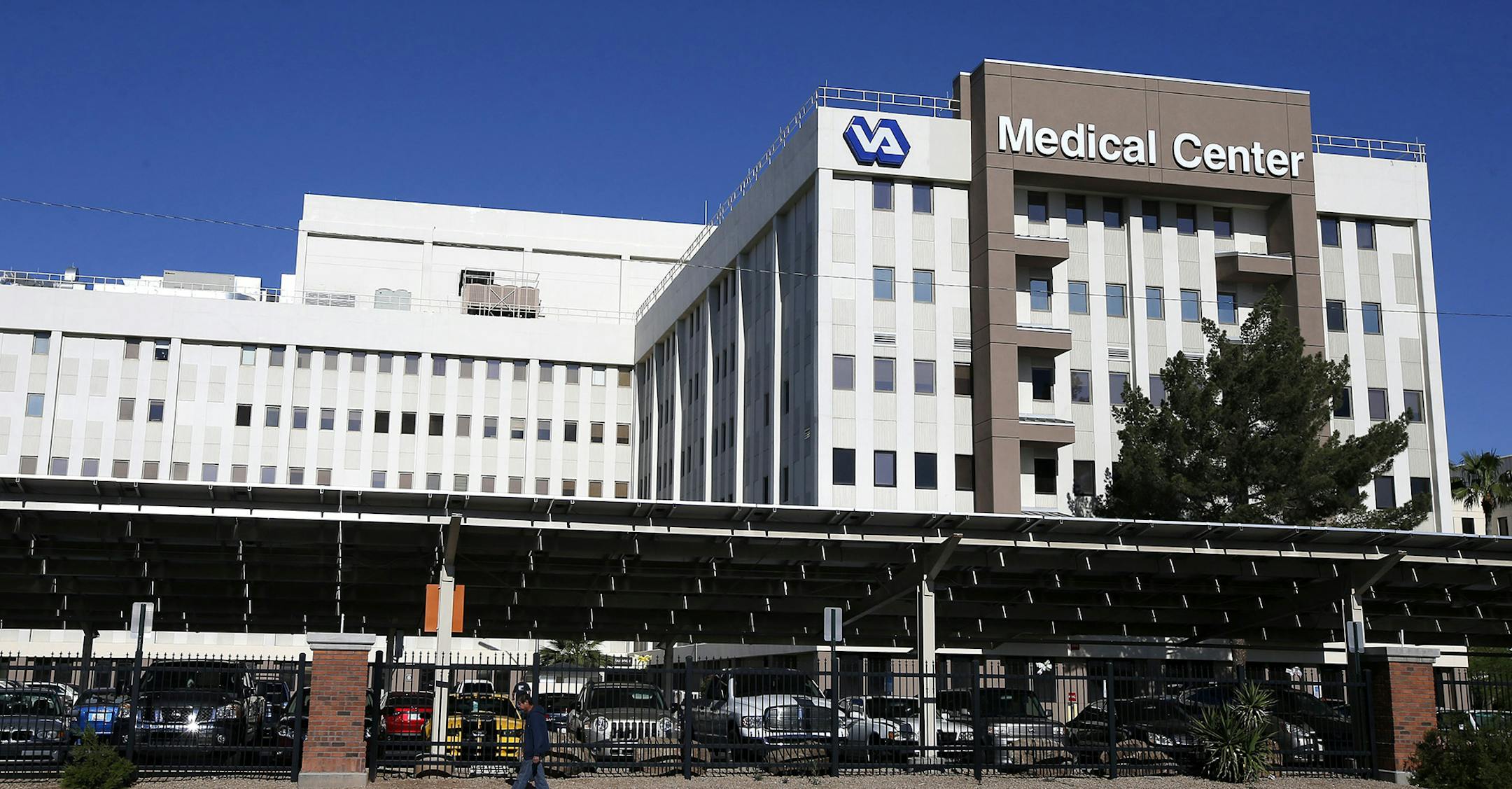
This photo taken April 28, 2014 shows the Phoenix VA Health Care Center in Phoenix. Veterans at the Phoenix veterans hospital waited on average 115 days for their first medical appointment _ 91 days longer than the hospital reported, the Veterans Affairs Department’s inspector general said Wednesday. Rep. Jeff Miller, R-Fla., chairman of the House Veterans Affairs Committee, and Sen. John McCain, R-Ariz., immediately called for VA Secretary Eric Shinseki to resign. Miller also
Veterans seeking an appointment at the Phoenix VA Health Care Center waited 91 days longer than the hospital reported, an audit found. (The Minnesota Star Tribune)
about the writer

about the writer

David A. Fahrenthold

More from No Section

See More
FILE -- A rent deposit slot at an apartment complex in Tucker, Ga., on July 21, 2020. As an eviction crisis has seemed increasingly likely this summer, everyone in the housing market has made the same plea to Washington: Send money — lots of it — that would keep renters in their homes and landlords afloat. (Melissa Golden/The New York Times) ORG XMIT: XNYT58
Melissa Golden/The New York Times

It’s too soon to tell how much the immigration crackdown is to blame.