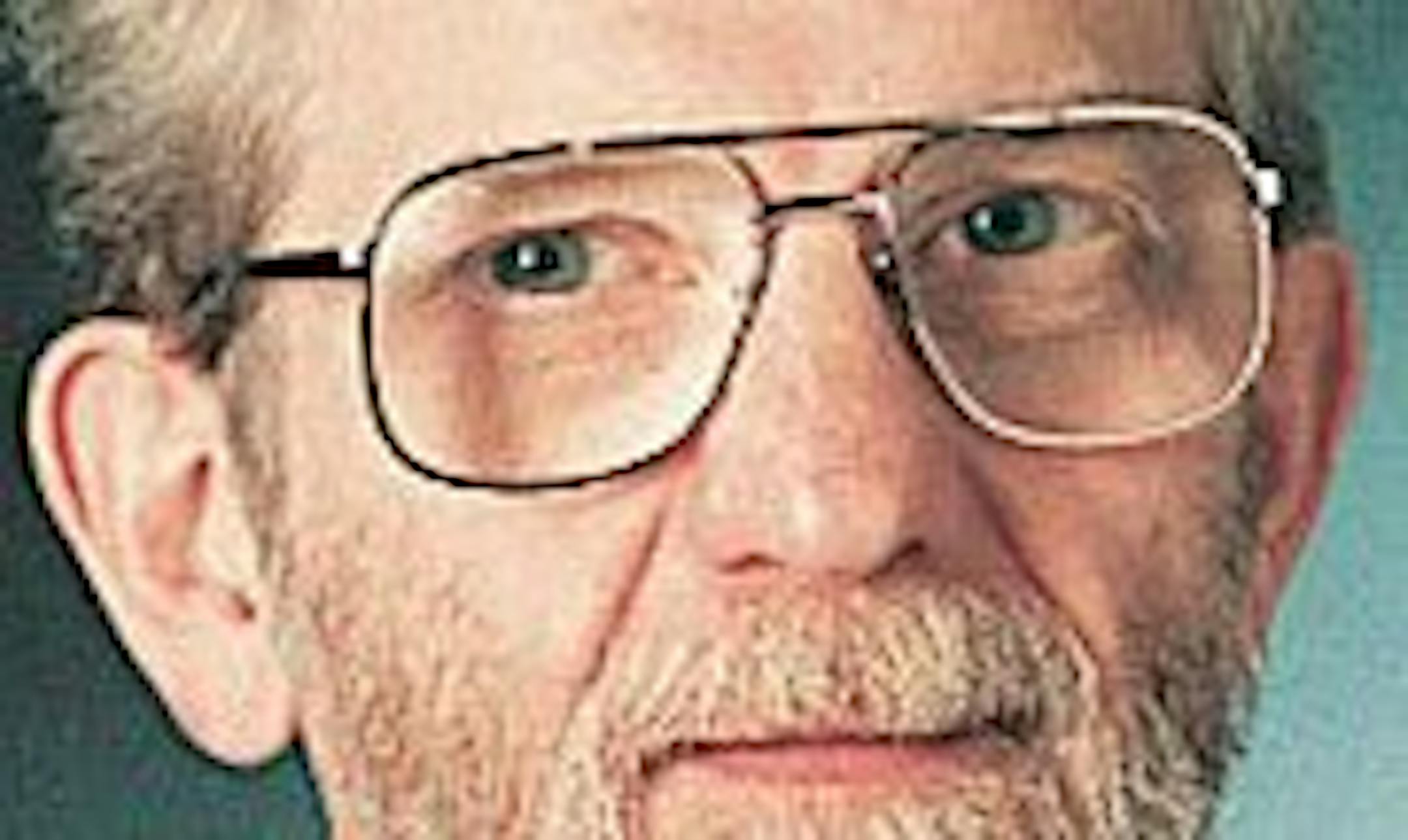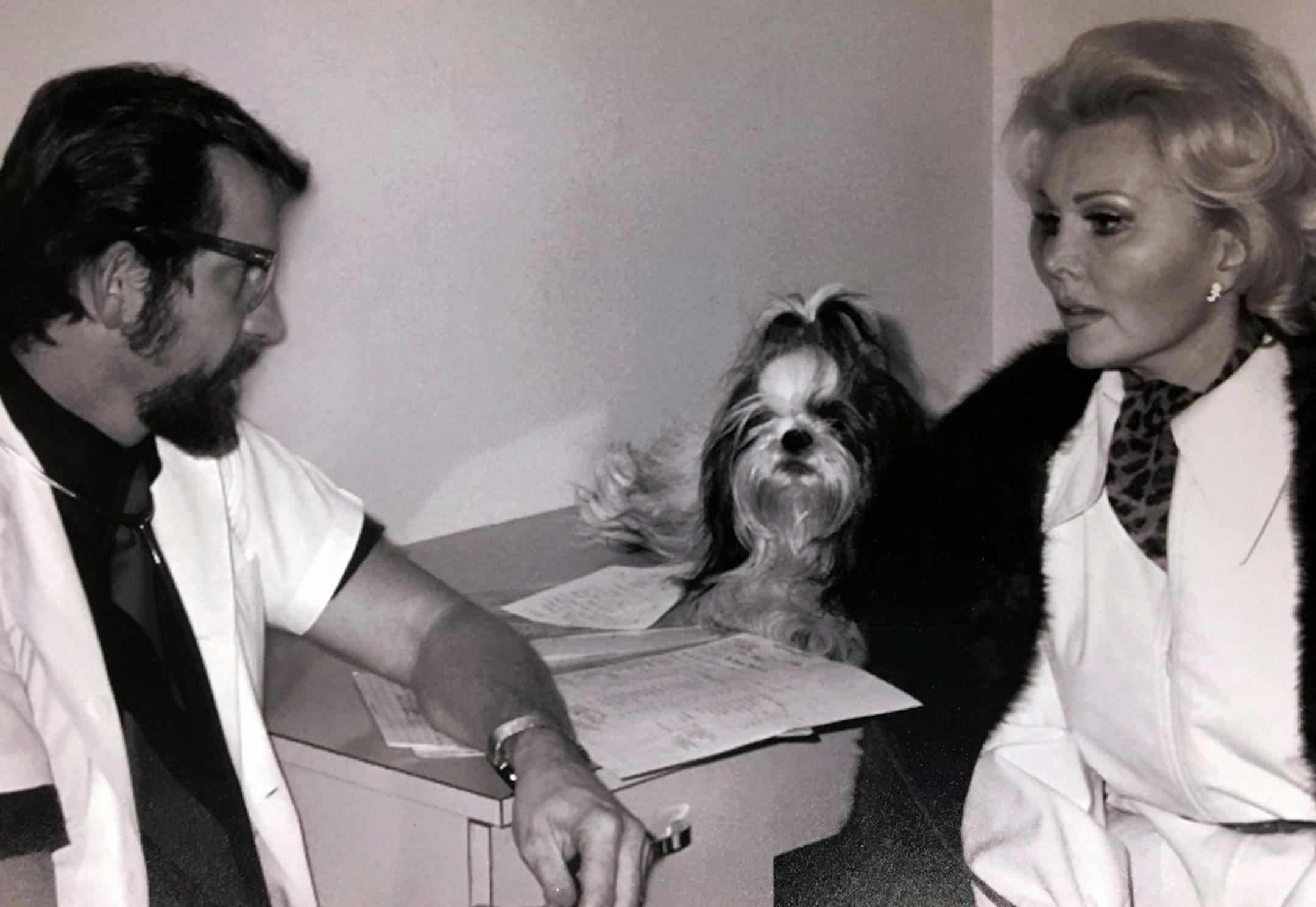
Carl Andrew Osborne was a pioneer in the world of medical research involving cats and dogs, and his groundbreaking work on urinary tract diseases changed the way pets are treated when they get sick.
Osborne, who is widely considered the most influential veterinarian in Minnesota history, died March 5 from complications of Parkinson's disease, surrounded by his family and with his longtime service dog, Chloe, nearby. Osborne, who was 76, had lived with Parkinson's for more than 20 years.
"He was one of the most influential veterinarians in the world," said Stillwater veterinarian Ginger Garlie, who studied with Osborne at the University of Minnesota.
Osborne wrote four textbooks on veterinary medicine and was a member of the University's College of Veterinary Medicine faculty for 53 years.
As founder of the Minnesota Urolith Center, Osborne collected and studied more than 1 million urinary tract stones from pets and wild animals from around the world. The center provides free analysis to veterinarians, saving an estimated $4 million in diagnostic fees per year. The data also are used in research.
Over the years, the center has received most of its funding from Hill's Pet Nutrition, a pet food company that has used the work of Osborne and his colleagues to craft a variety of therapeutic foods to treat and help prevent urinary disorders.
"His compassion is exactly what drove him to achieve what was once thought impossible — dissolving certain types of urinary stones through clinical nutrition," said Karen Shenoy, a senior manager at Hill's. "His research led to a compassionate alternative to surgical removal, whereby veterinarians can help treat a pet with diet instead of a scalpel."
Osborne's research has helped hundreds of thousands of animals and changed the way thousands of veterinarians do their job, according to his colleagues.