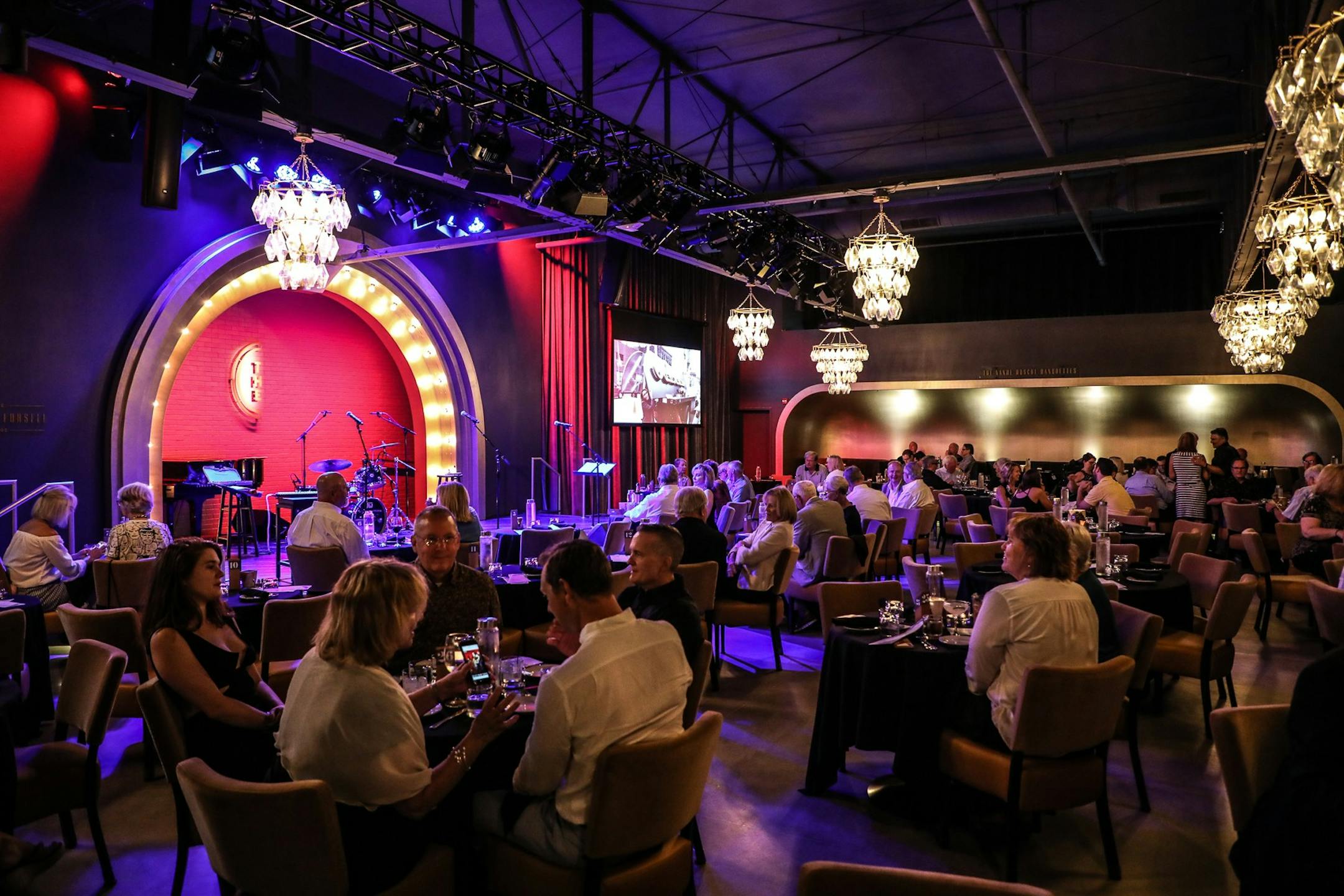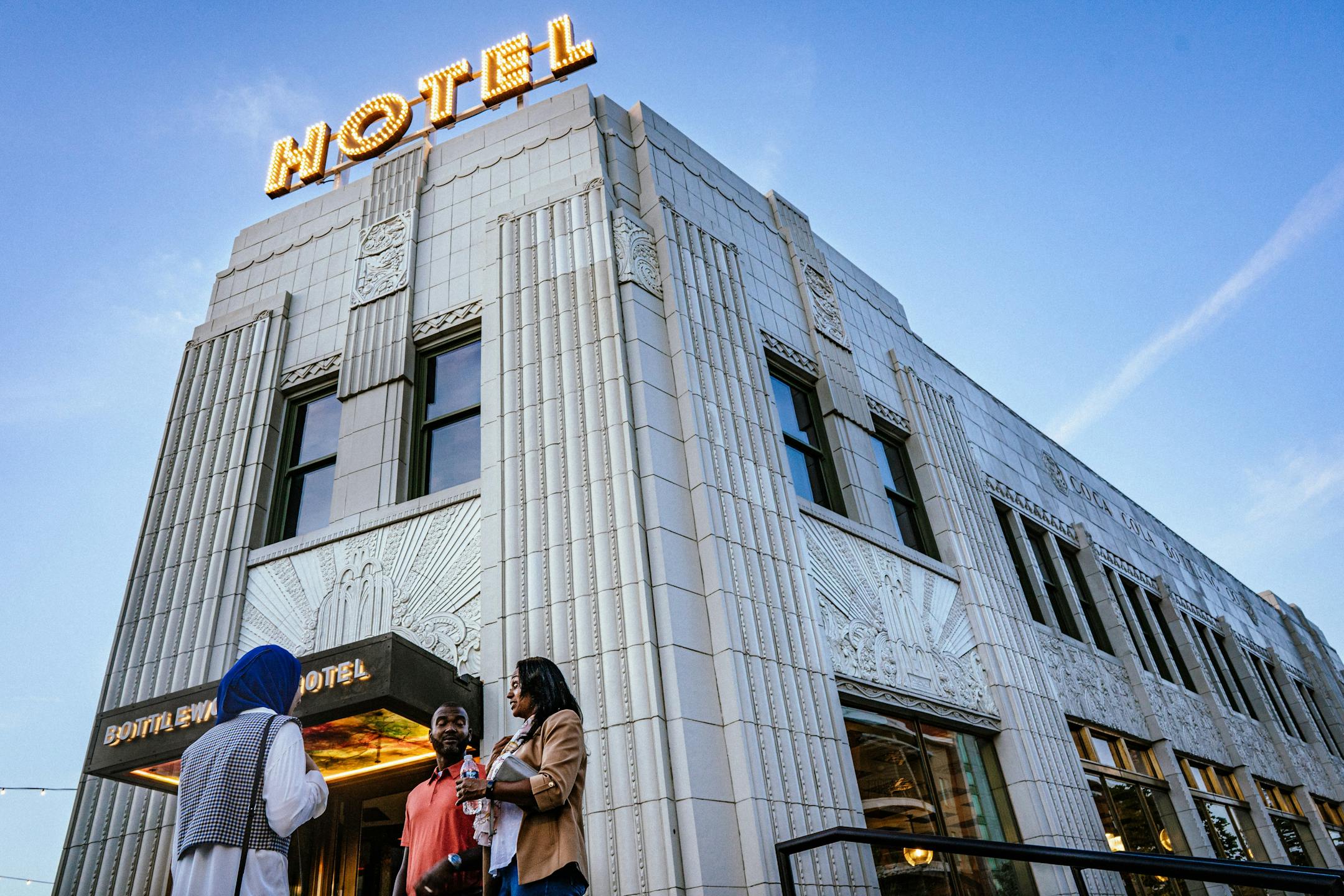
For our weekend trip to Indianapolis, my mom and I checked into the Bottleworks Hotel, a former Coca-Cola bottling plant that’s been transformed into an art deco boutique hotel.
We marveled at the lobby’s floor-to-ceiling geometric tile and oversized black-and-white diamond checkered floors. Gilded mirrors and tall windows make the lobby feel even brighter, in contrast to the dark wood hallway. We passed glass windows mottled with blotches of turquoise, yellow and red, carrying the color motifs from the lobby into the moody depths of the hotel.
This was my first visit to Indianapolis, a trip planned out of sheer curiosity about the city whose claim to fame is the Indianapolis 500. I was eager to get acquainted with IndyCar culture and learn what else Indianapolis has to offer. I noted that Indianapolis is lovable for many of the same reasons that Minneapolis is. Both are midsize Midwestern cities with family-friendly parks and museums, great biking infrastructure and a strong community supporting its sports teams.
After settling into our expansive suite, we explored the Bottleworks District, anchored by the hotel. We walked past restaurant patios, fitness studios and indie shops filled with colorful home goods and quirky gifts. The architecture soon shifted from modern storefronts to historic landmarks.
The Old National Centre, set inside a former Freemason temple, loomed ahead, while the nearby Atheneum — a German Renaissance Revival building — houses arts organizations and the Rathskeller, the city’s oldest restaurant. The occasional mural of working-class Hoosiers stretched across weathered brick exteriors.
The Indianapolis Firefighters Museum is in an unassuming firehouse surrounded by memorials to service members. One plaque honors James E. O’Donnell, one of 316 survivors when the USS Indianapolis was torpedoed by a Japanese submarine in World War II. O’Donnell returned home to serve as a firefighter and advocated for the USS Indianapolis National Memorial on the nearby Canal Walk.
Second only to Washington, D.C., for the amount of monuments, Indianapolis feels like an open-air museum dedicated to Indiana’s legacy of service. We rented bikes and hopped on the Indianapolis Cultural Trail. The city’s most recognizable symbol is the 1902 Soldiers and Sailors Monument in the center of Monument Circle. It honors Indiana war veterans with bronze statues, carved reliefs and a spiral staircase that leads to an observation deck. We took the elevator to Astrea, the rooftop bar at the new InterContinental Indianapolis, for panoramic views and a charcuterie plate of mustards, pickles and cured meats inspired by Indiana’s German heritage.
Locals had told me that the best time to visit Indianapolis is in the spring, as flowers bloom and the city hums with excitement for the Indy 500. Indianapolis itself felt like it was blossoming with new life. In many neighborhoods, old houses are painted in bright blues, reds and greens, and plucky entrepreneurs repurpose closed buildings into farm-to-table restaurants.