

The good news for Republicans: They have a path to victory in 2016.
The bad news for Republicans: They are not on that path.
At the moment, in fact, they have wandered into a dense thicket and are picking nettles from their skin while being bitten by mosquitoes.
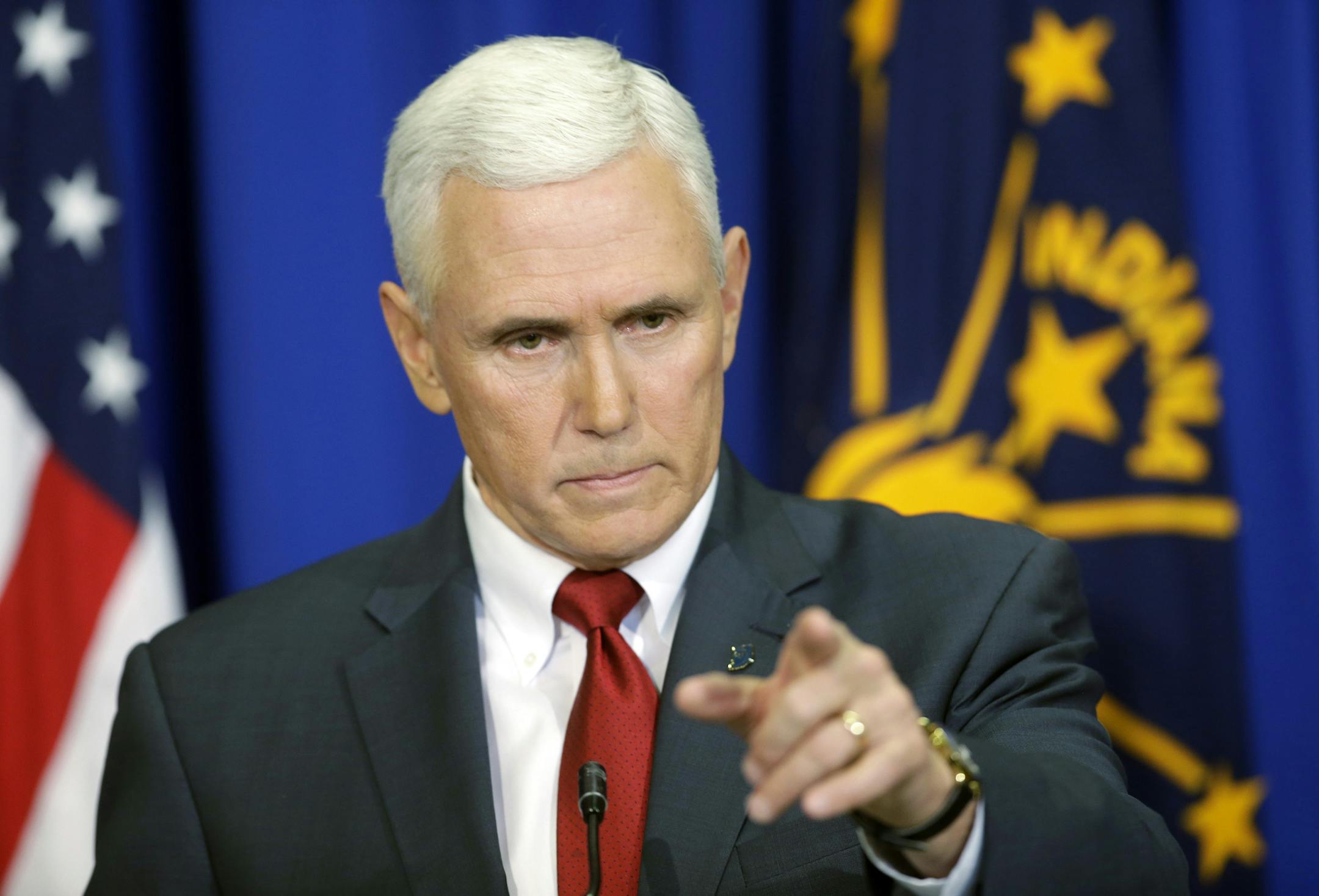
The latest instance of self-defeating bushwhacking comes courtesy of the Indiana legislature and Gov. Mike Pence, who on Tuesday tried to quell a national conflagration by promising to fix a new state law that allows anti-gay discrimination. But the Hoosier Republicans had already diverted the party's presidential contenders onto a collision course with the American electorate.
"There is simply no way that Republicans can seem like a modern political party with widespread appeal in the New America unless they adjust to the new reality on at least a few of their long-standing policy positions. … Foremost in this area are gay rights," Whit Ayres, the veteran Republican pollster writes in his new self-published book, "2016 and Beyond: How Republicans Can Elect a President in the New America."
Expanding on this point at a breakfast with reporters Tuesday hosted by the Christian Science Monitor, Ayres, an adviser to presidential contender Marco Rubio, said: "We are headed to the point where a political candidate who is perceived as anti-gay at the presidential level will never connect with people under 30 years old."
He's right, of course, and the numbers prove it. The problem is that virtually all the GOP presidential candidates, including his own client, just put themselves on the wrong side of the issue.
As word of Indiana's new "religious freedom" law began to spread, businesses howled and the state House speaker and Senate president pro tem promised to fix the bill. Pence backed down Tuesday and called for new legislation "that makes it clear that this law does not give businesses a right to deny services to anyone."


