MILWAUKEE - The recall machinery at the Milwaukee Teachers Education Association was revving up for a final push to evict a governor.
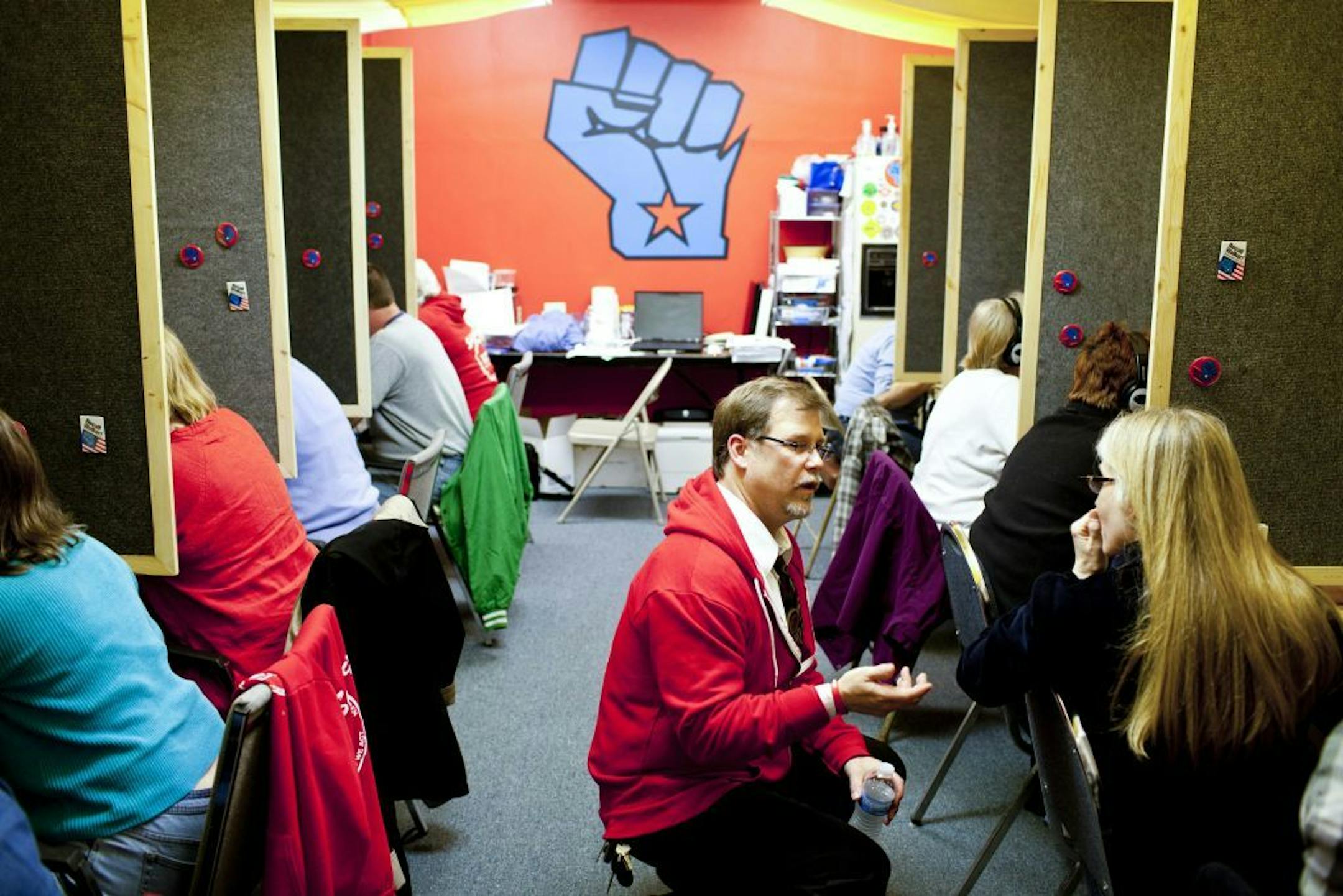
A busy group of retired teachers was assembling yard signs, classroom teachers were filing in after the Friday afternoon bell to write postcards to parents, a call center was coming to life and leaders were using a cluttered "war room" to plan the weekend's door-knocking schedule.
On one wall a sign read: "Losing is not an option," neatly summing up labor's attitude toward Tuesday's recall election against Republican Gov. Scott Walker of Wisconsin.
At the tail end of an exhausting, 17-month ride, union members and their allies face a stiff challenge beyond signage and phone lists: Convincing the masses of Wisconsinites that labor's well-known war with Walker is their battle too.
"If people don't come together and stop this here in Wisconsin, we're really in trouble," said Robert Peterson, president of the Milwaukee teachers' union.
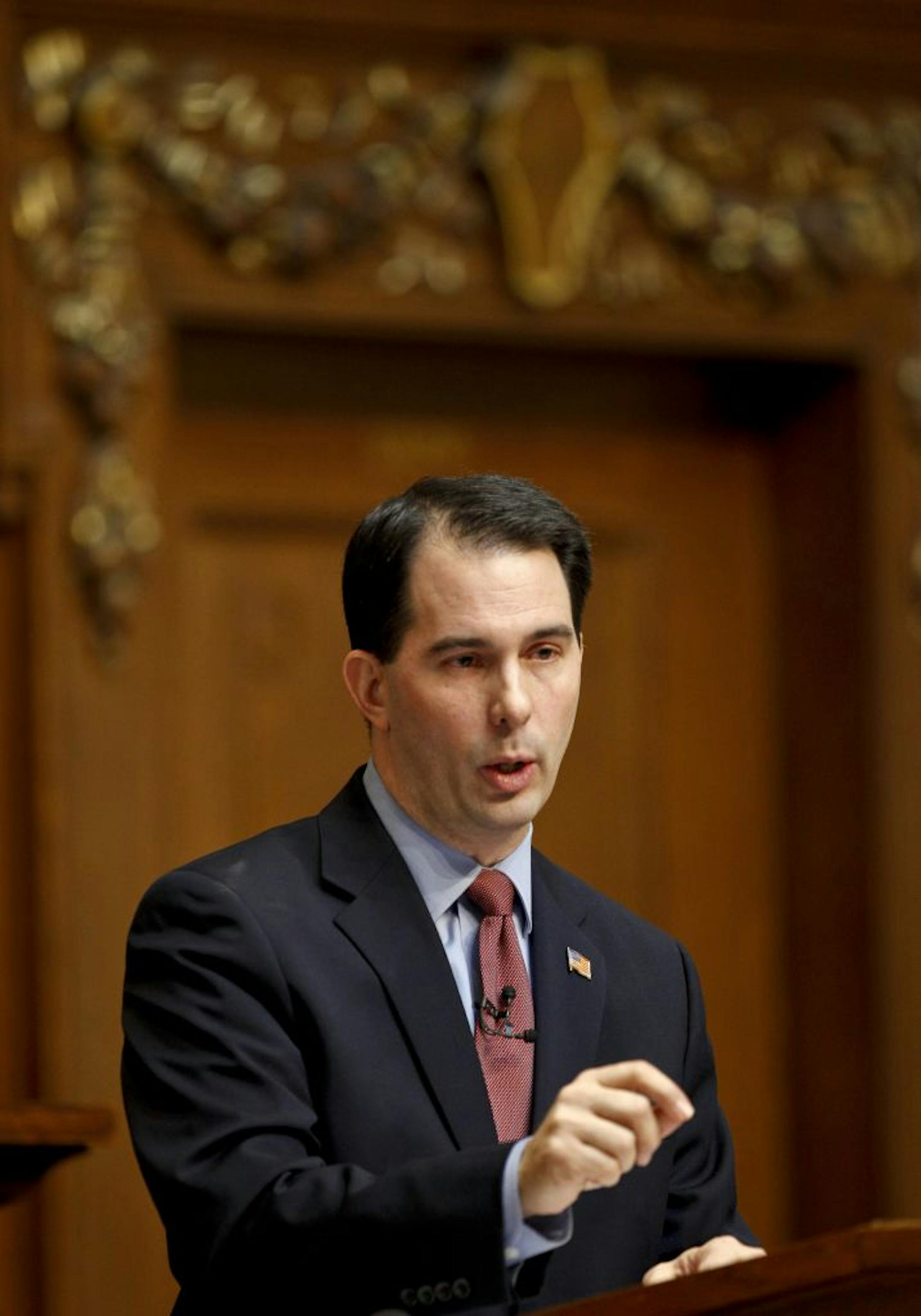
Walker inadvertently gave birth to this beehive of activity when, shortly after being sworn in last year, he unveiled and pushed through a series of strict limits on collective bargaining by public-employee unions. The move triggered a mushrooming series of responses by Democrats and union supporters, from the decamping of Democratic senators to hideouts in Illinois to the regular, noisy demonstrations by tens of thousands of protestors at the state Capitol in Madison and, finally, to this climax.
This is only the third attempted recall of a governor in U.S. history, and anti-Walkerites frame it as a fight for a foothold in the U.S. economy, which they believe is imperiled by Walker's politics and the billionaires backing him.
"This election on June 5 represents an epic battle for the union movement and for the entire middle class in America," said Stephanie Bloomingdale, secretary-treasurer of the Wisconsin AFL-CIO.