

If a video camera had been mounted inside Yellow Taxi No. 150 on Wednesday night, would it have prevented the shooting death of its driver, William R. Harper?
Yemane Mebrahtu, president of the Minneapolis Taxicab Drivers and Owners Association, thinks so, and he said it's time for the industry to adopt camera requirements for all taxis. "We need to have a statewide law," Mebrahtu said. "With the technology we have, it's not that expensive."
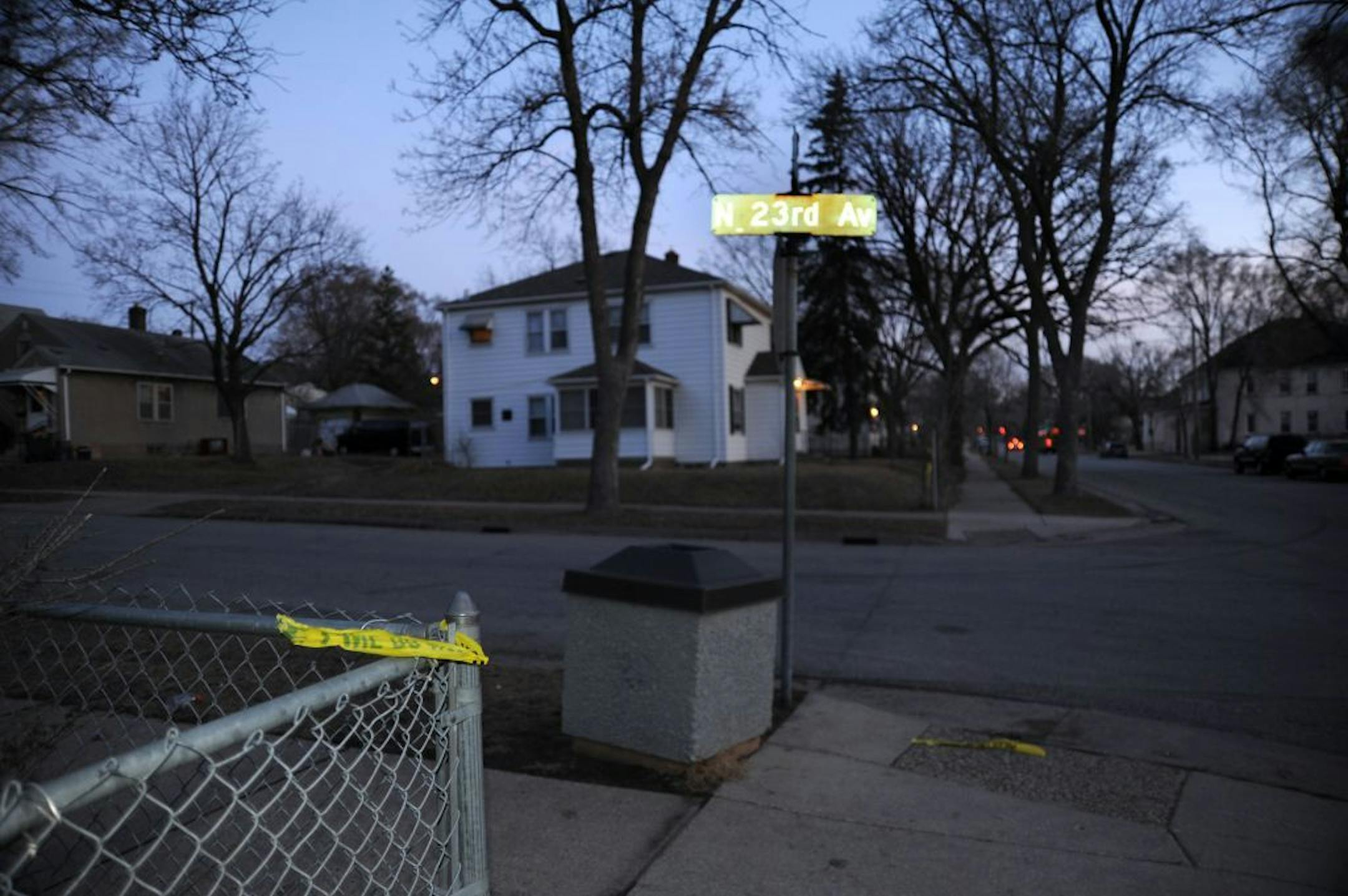
A police investigation continued Friday into Harper's death. The 56-year-old Roseville man was shot in the back at 10 p.m. Wednesday as he sat in his cab on a north Minneapolis street.
It was after two back-to-back cabdriver killings in 2003 that the city adopted safety rules for all cabs, saying they must at least have a security shield, a GPS system or a digital still camera that takes pictures every five seconds.
While a few companies have installed cameras, most vehicles have the GPS system, which, when triggered, alerts the taxi company's dispatcher to the vehicle's location and turns on a two-way radio. "They will identify where the car is," said Mebrahtu. "That has nothing to do with the safety of the driver."
Late Friday afternoon, taxi drivers and others gathered for a brief vigil at the spot where Harper was fatally shot in the 400 block of 23rd Avenue N.
Taxi drivers have one of the most dangerous jobs in the country, with only police officers and security guards facing a higher likelihood of being assaulted while working, according to the Occupational Safety and Health Administration as well as the National Institute for Occupational Safety and Health. Drivers are 60 times more likely to be killed on the job than other workers, according to a 2000 study. Some 45 taxi, bus and limo drivers were slain nationwide in 2010, according to the latest federal statistics.
A few places in the United States require cameras, including San Francisco, which hosted a convention last year for the Taxicab, Limousine & Paratransit Association, an association for the private passenger transportation industry.


