

It's still a crime for a woman to cheat on her husband in Minnesota.
The law against adultery hasn't been enforced in 80 years or more, and it's almost certainly unconstitutional, given that it excludes married men who hook up with single women, not to mention same-sex pairings.
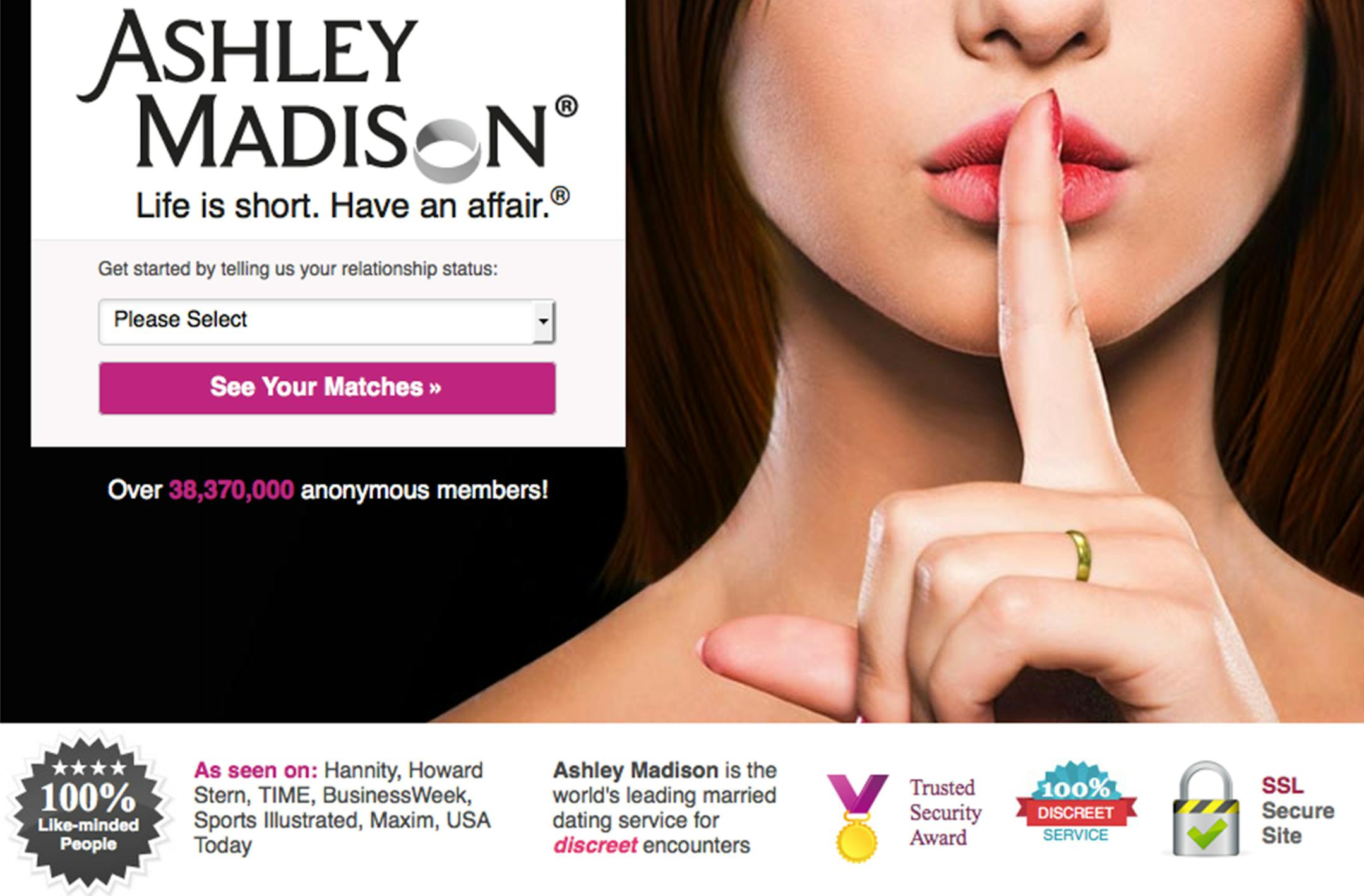
Yet the scarlet letter persists in the law books in Minnesota and many other states. That helps explain the public schadenfreude that greeted the data breach at Ashley Madison, a website that makes money by enabling infidelity.
In this thicket of ironies, here's one more: Former Ashley Madison customers want to sue the company in secret.
For those still unaware of this scandal, Ashley Madison operates as a kind of match.com for those seeking affairs, and claims to have more than 30 million members, many of whom have paid for the service. Earlier this year, a group of hackers calling itself the Impact Team broke into the company's computers, stole data about millions of its customers and put it on online for anyone to see.
Millions of Ashley Madison customers learned that their names, e-mail addresses, phone numbers, sexual fantasies, payment data and other highly sensitive information were now available on the web.
Every large-scale data breach causes chaos, but compared to some of the other major hacks, there has been limited sympathy for the lost privacy of premeditated two-timers.
Still, Ashley Madison promised to protect the data, and properly delete it if a customer with second thoughts paid them $19. So hoped-for class action lawsuits are mounting against Avid Life Media, the Toronto company behind the website.


