

As former Democratic Congressman Dennis Kucinich put it, this presidential election "was a rejection of the Democratic establishment, the Republican establishment, the media establishment and the financial establishment."
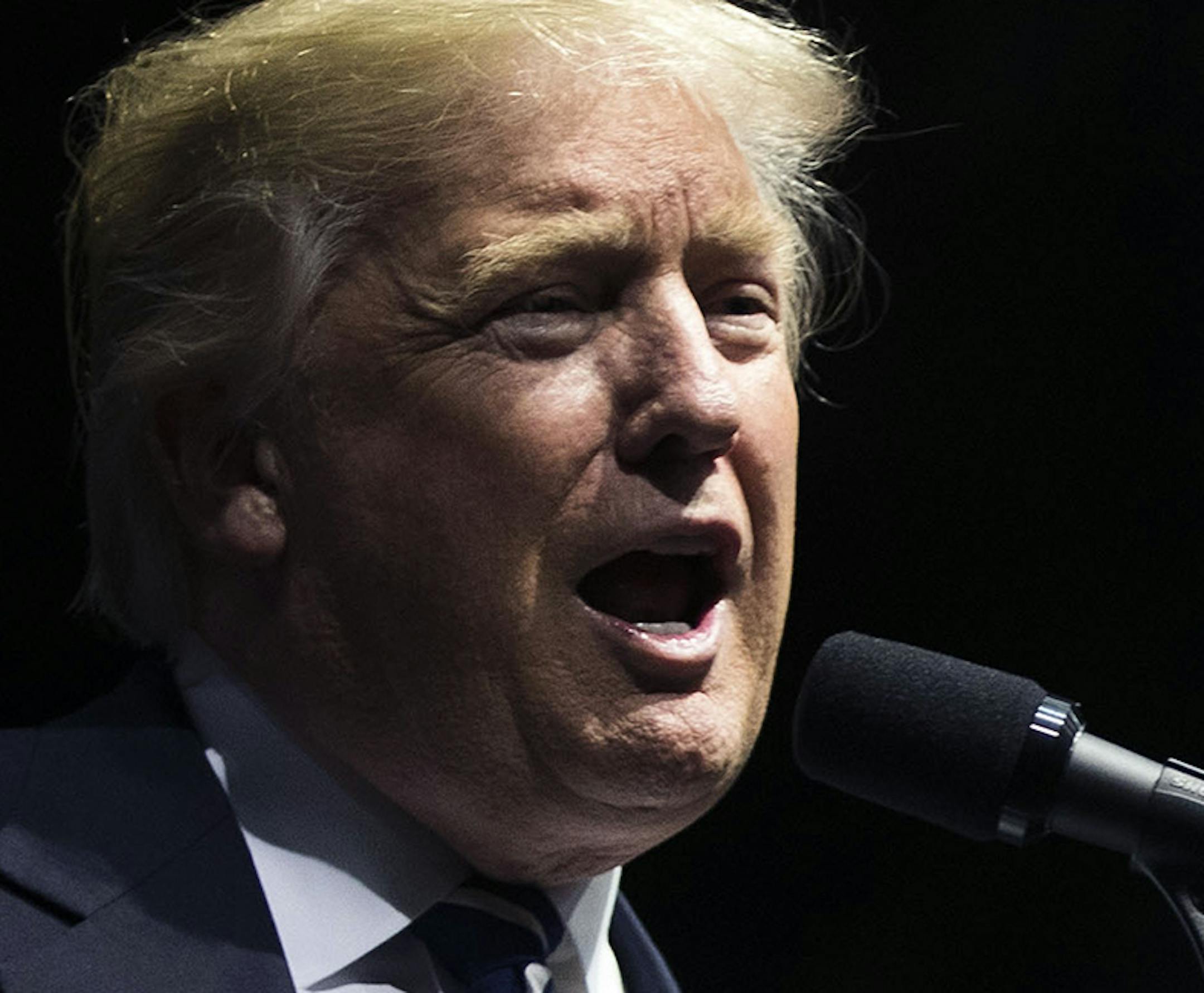
Kucinich missed one power center: Donald Trump's election marked rejection of the higher-education establishment. And academia knows it.
Earlier in the year, Emory students claimed psychological distress at the mere sight of the word "Trump" chalked on pavements. Later, professors at campuses like Yale and Penn let students skip exams to grieve the election results. Stanford actually offered students and faculty psychological counseling to help with election-induced "uncertainty, anger, anxiety and/or fear." At many colleges and universities, including mine, chancellors issued de rigueur official statements making clear that they feel the pain of Hillary Clinton voters. It's hard to imagine such solicitousness toward Trump voters.
My professional organization, the American Educational Research Association, went a step further, essentially blaming Trump for incidents "from Charleston to Orlando" spreading "anger and hate (that) have overridden our sensibilities around respect for others and social justice. The hostility since the election has been even more appalling, as violent threats, hate speech, and verbal attacks have nurtured fear."
I'm certainly no fan of Trump, the only American politician capable of making Clinton seem law-abiding.
Yet in a broad sense, Trump really does represent the powerless at universities, and in polite society generally. All societies have elites who set etiquette, the rules of discourse. Problems arise when self-righteous elites use intimidation to deter reasonable debate, enforcing a narrow conformity rather than ideological diversity.
As political scientist Stanley Rothman demonstrated empirically in a series of works culminating with his posthumous "The End of the Experiment" (meaning the American experiment), in the late 20th century, progressives came to dominate academia, and eventually popular culture and the news media, sowing skepticism toward traditional institutions like the nuclear family and organized religion, and reverence toward traditionally disadvantaged groups.
To be clear, a dose of skepticism toward traditional hierarchies is healthy. Yet taken too far, progressivism became groupthink, ignoring real world tradeoffs, silencing alternative views and ultimately limiting what policies governments can consider. Examples abound.


