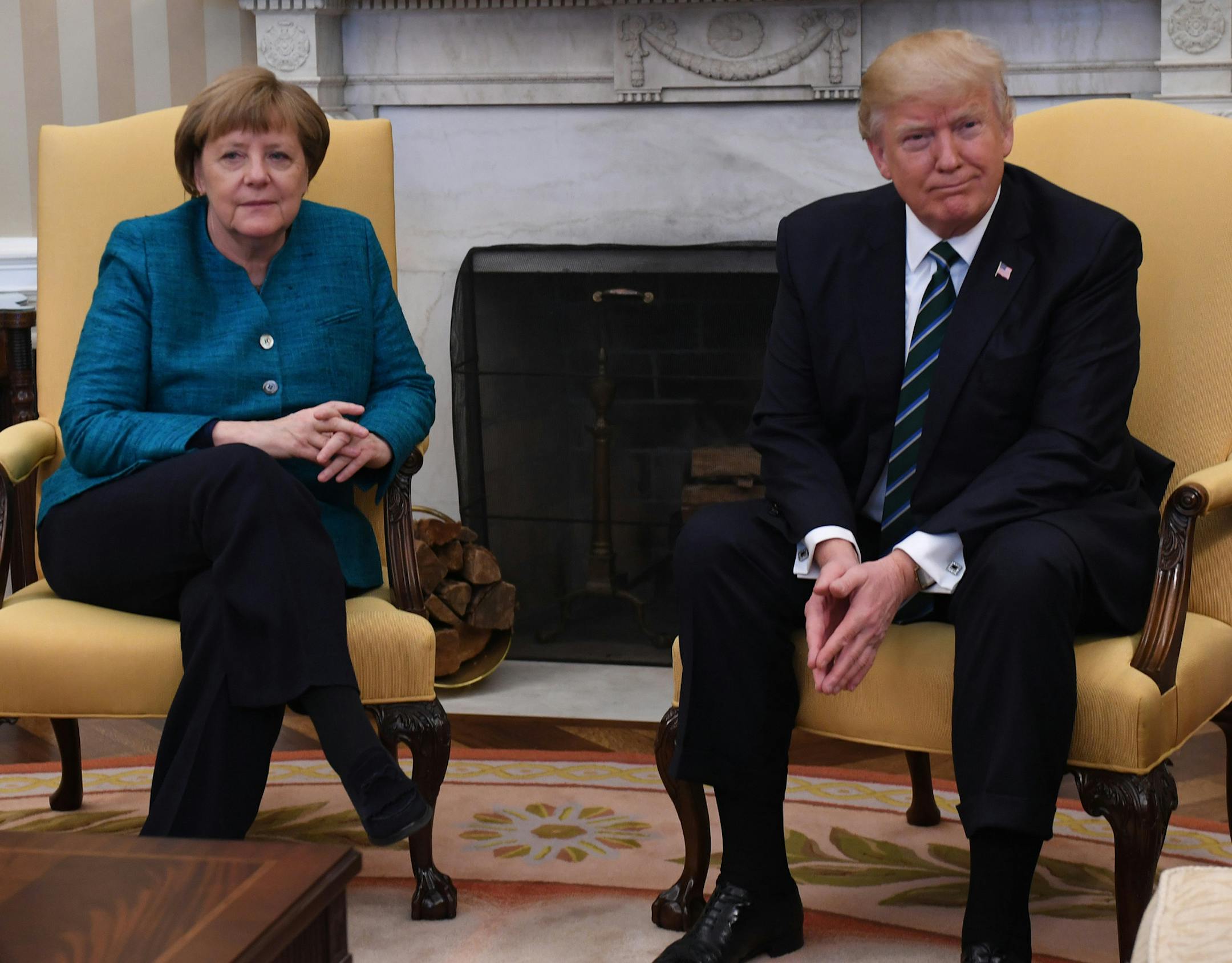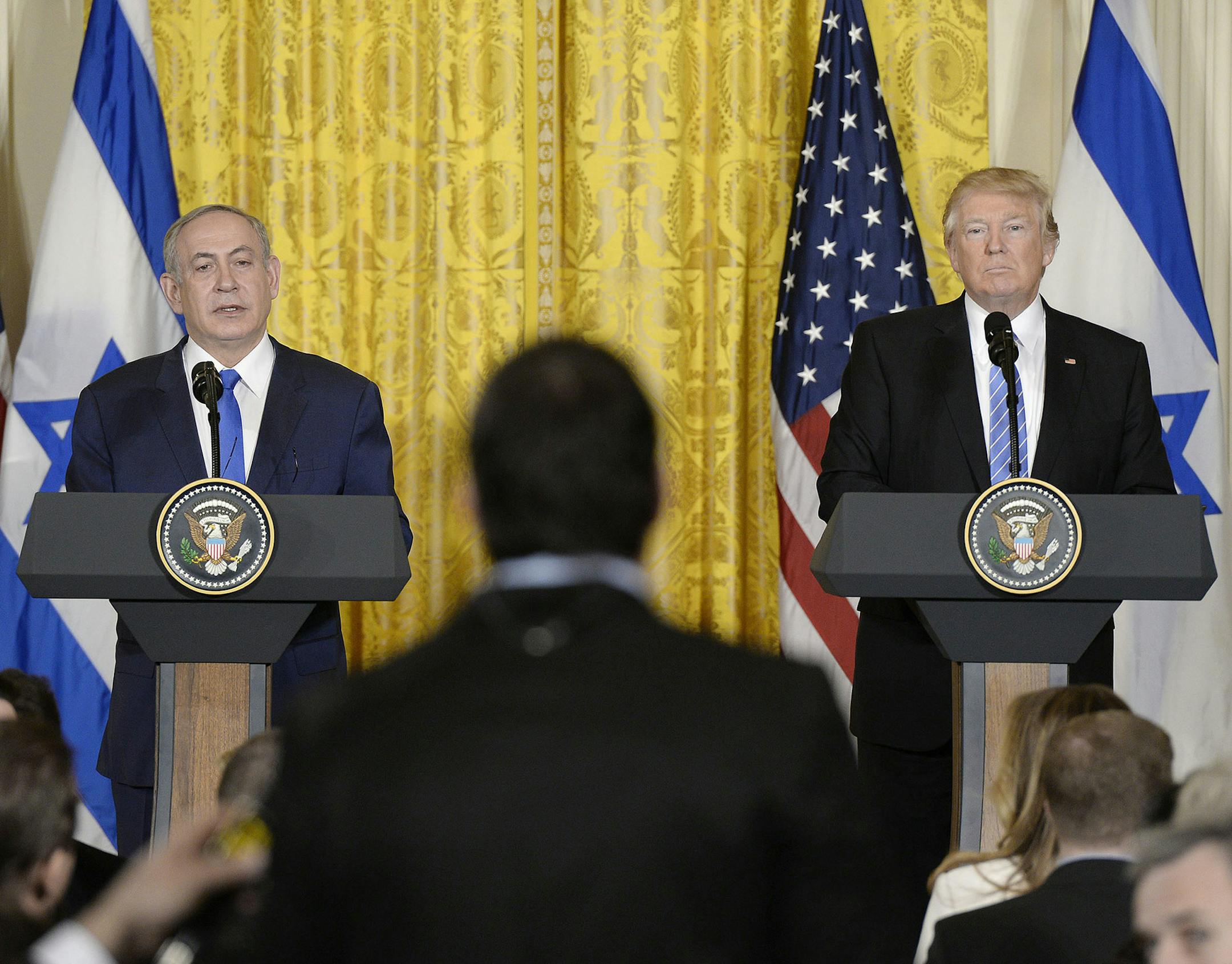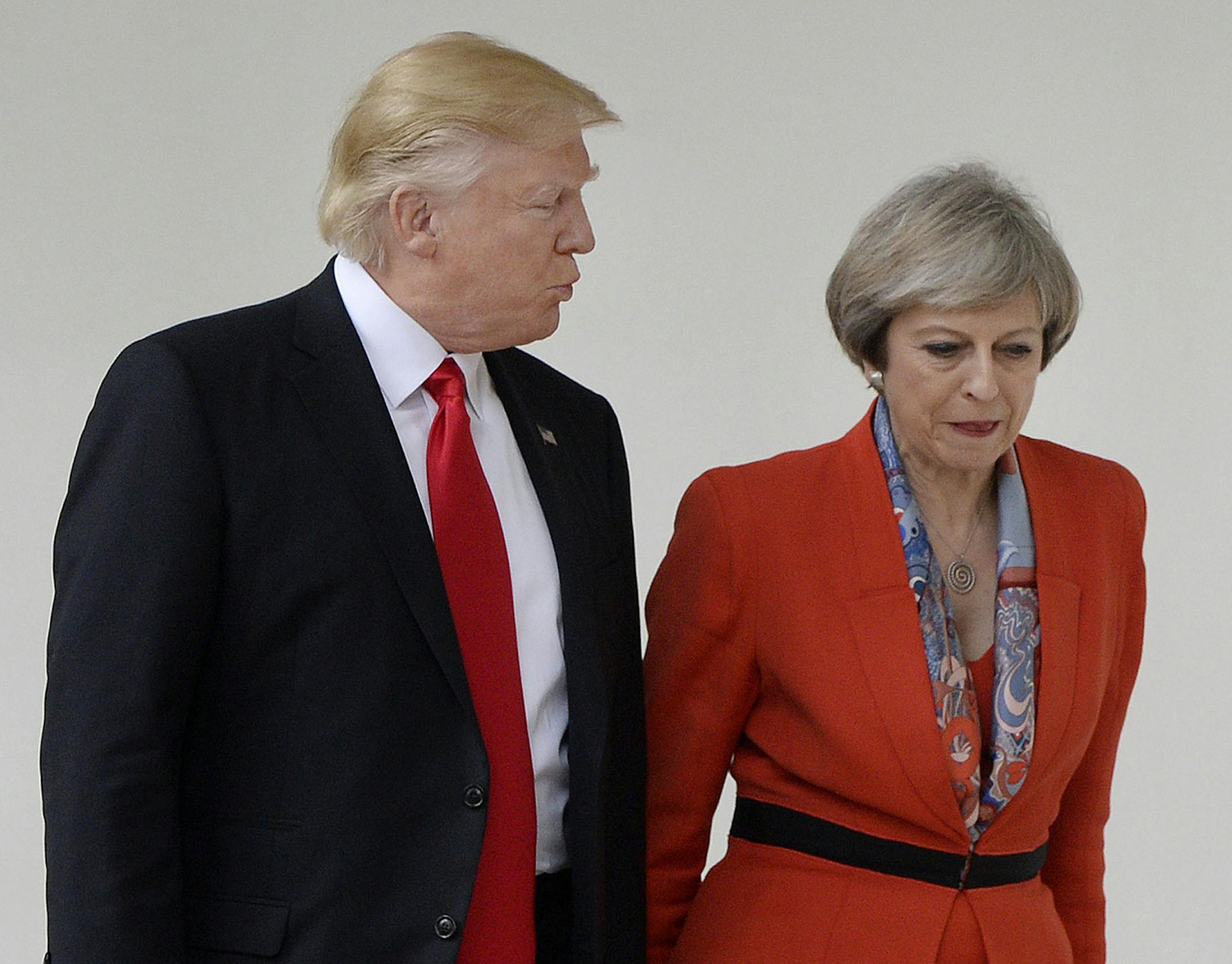
WASHINGTON – Angela Merkel grimaced. Benjamin Netanyahu hung to his lectern with a white-knuckle grip at President Donald Trump's every word. Theresa May rejected his attempt to guide her down a ramp.
The German chancellor mostly played it cool during her first interaction with the new U.S. president, though she expressed confusion at one of his brash claims. The Israeli and British prime ministers each used their joint news conferences with Trump to try to box in the American political neophyte.
And, on Wednesday, NATO Secretary-General Jens Stoltenberg was all business. The former prime minister of Norway, who now leads the European-North American military alliance that Trump so often panned as a candidate, crossed the Atlantic Ocean with one goal in mind.
As Trump offered a bit of his signature bluster during a joint news conference in the White House's East Room, Stoltenberg kept things on an even keel. His facial expression and demeanor remained businesslike, and he opted against lavishing the U.S. president with praise or openly expressing Merkel-like bemusement. He also let the leaders of NATO's member countries know that he secured what he came for.
"A strong NATO is good for Europe, but a strong NATO is also good for the United States," he said after meeting privately with Trump. "And, therefore, I welcome the very strong commitment of the United States to the security of Europe.
"We see this commitment not only in words but also in deeds," Stoltenberg said. Since Trump took office in January, "thousands of U.S. troops have been deploying to Europe, a clear demonstration that America stands with allies to protect peace and defend our freedom," he said.
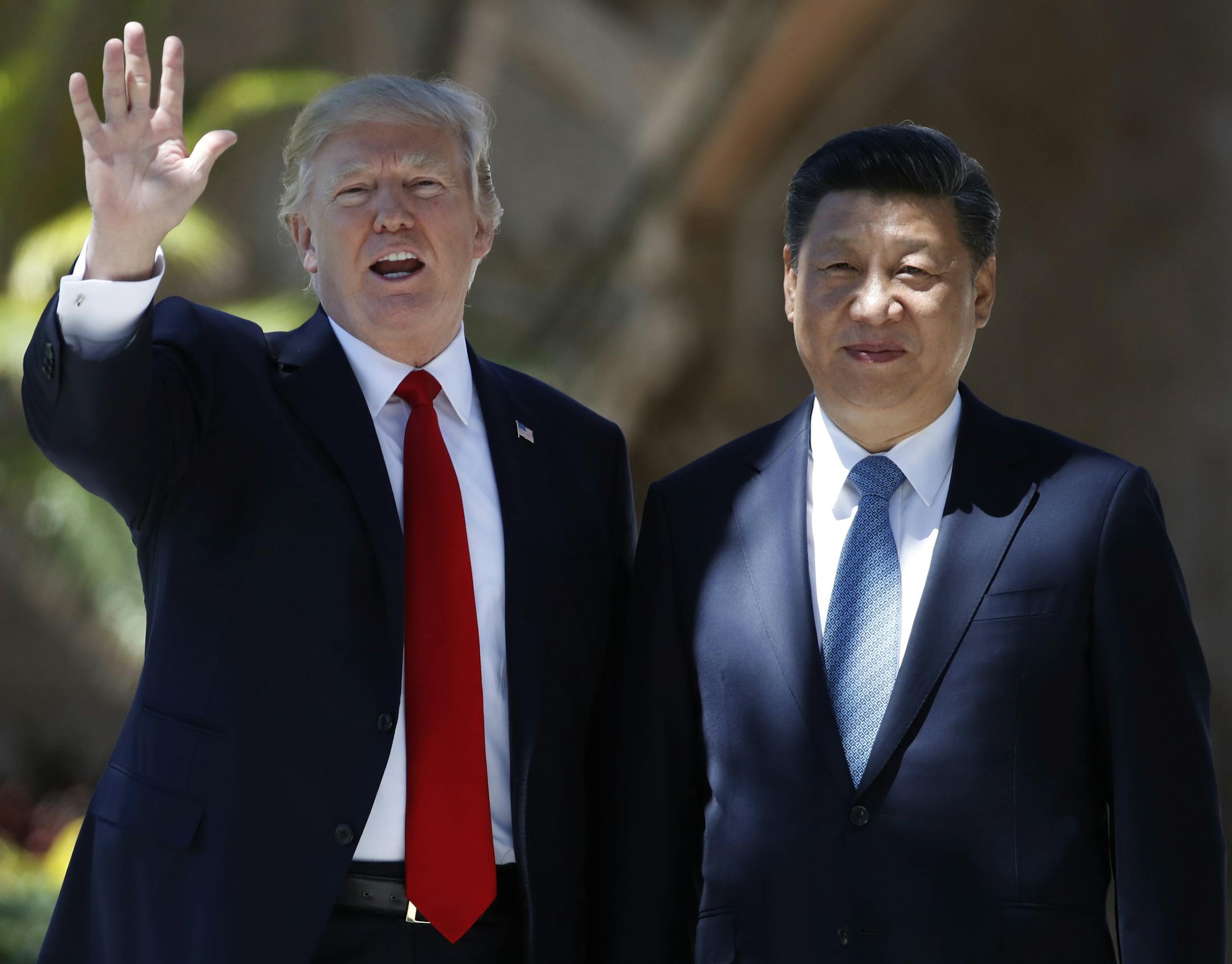
But other world leaders, in their first public appearances beside the real estate mogul-turned-U.S. chief executive, have been noticeably more verbally effusive.
Collectively, their lavish praise of Trump and enthusiastic predictions about the many things they say are possible under his watch suggest that Trump, despite a spate of early stumbles, defeats and self-inflicted wounds, has an opportunity to work with several leaders whose interests on key issues closely align with those of the United States.