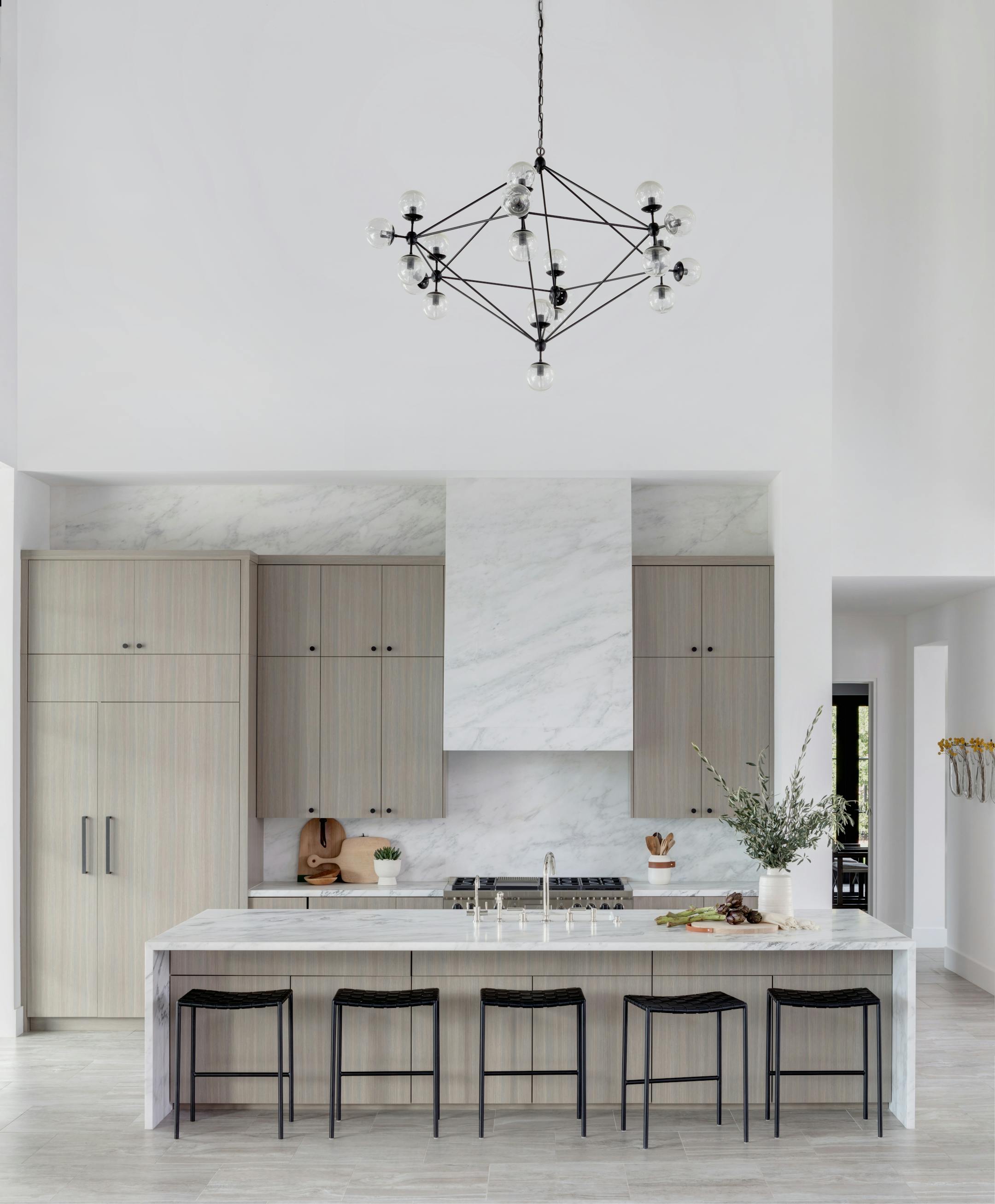
The kitchens of the wealthy in the United States today are capable of providing a humbling experience to the uninitiated. Attempts to procure ice cubes can transform the most dignified guest into a hapless burglar rummaging through drawers for loose gems.
"I don't think I've had a client that's wanted to reveal their fridge for a very long time," said Martyn Lawrence Bullard, an English interior designer whose namesake firm in Los Angeles has evanesced major household appliances for the likes of Cher, Tommy Hilfiger and Kylie Jenner. "In the last five years, everything we've done has had a hidden fridge."
Many things that are immediately identifiable as things in the majority of American kitchens — appliances recognizable from their size, shape and the general appearance they have had since roughly the 1940s — are, in the homes of the wealthy, increasingly being transmogrified into cabinets.
"Panel-ready" refrigerators, the facades of which are designed to accommodate (typically via systems of brackets and screws) custom pieces of wood indistinguishable from a kitchen's built-in cabinetry, have become standard. Thus, it is not only possible, but usual, to look at a newly built luxury kitchen and be unable to immediately ascertain whether it contains an icebox.
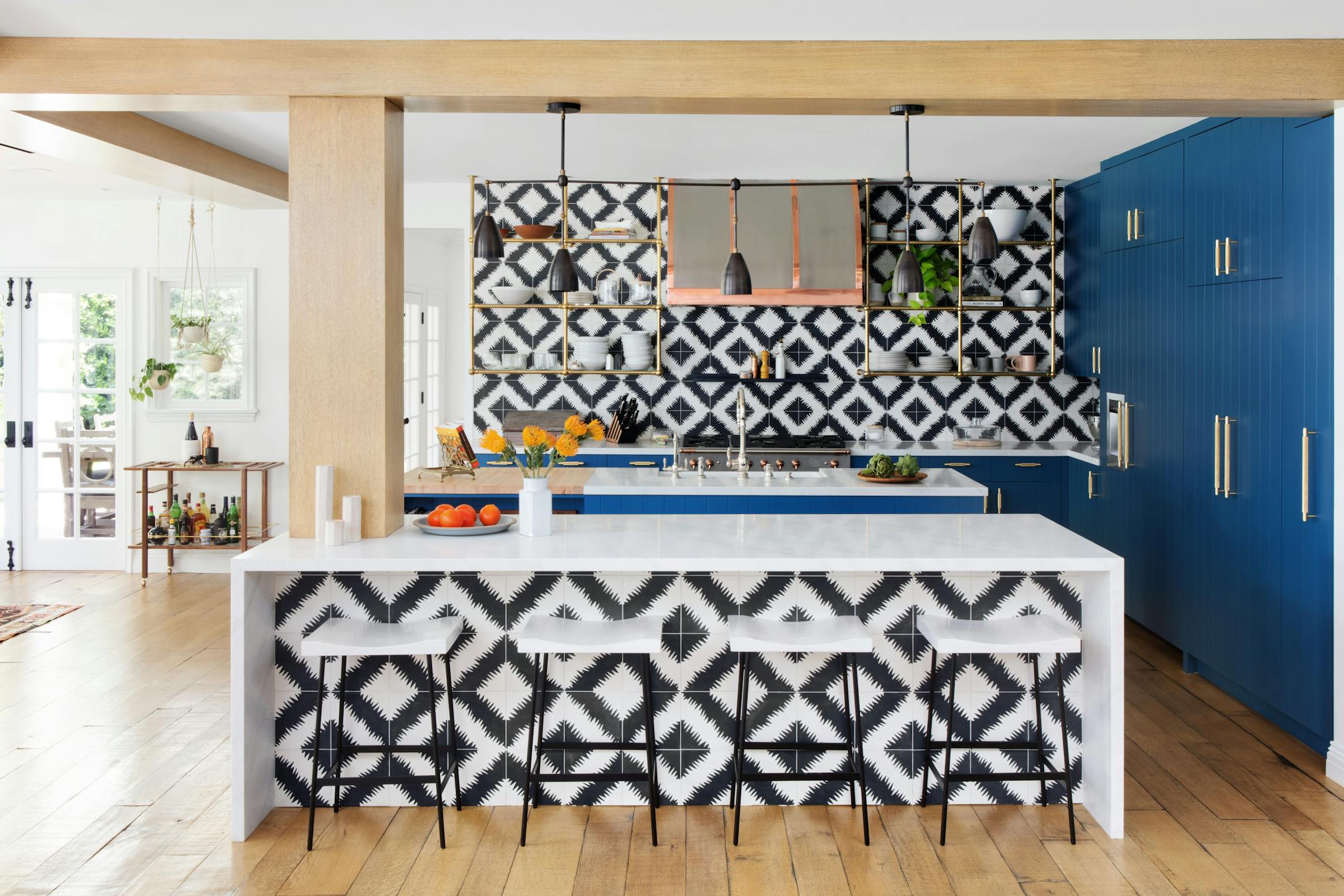
"Everyone" is covering their stainless steel with panels, said Shannon Wollack, the founder of Studio Life/Style, an interior design firm in West Hollywood, California. "Everyone," she repeated. Among the clients whose kitchens Wollack has transformed into sleek cabinet emporia: actress Hilary Duff, whose blue-paneled kitchen does, despite appearances, include a refrigerator.
Au courant refrigerators resemble the imaginary dragons of childhood fantasy in that they are both invisible and enormous. "You'd be shocked how much space" luxury kitchens devote to hidden refrigeration, Wollack said. "A lot of people," she said, elect to incorporate two refrigerators, side by side.
But the explosion of tidy cubbies and drawers that causes an ultramodern kitchen to resemble the study of a 19th-century apothecary is not merely the result of refrigerators becoming cabinets. Cabinets, too, are becoming refrigerators.
"Everybody these days wants their refrigerator drawers," said Bullard, referring to smaller built-in cabinets, often located in kitchen islands, that pull out to reveal additional refrigerated storage cavities. "Everybody," he said, puts at least two in. "Most people put four — or possibly six."