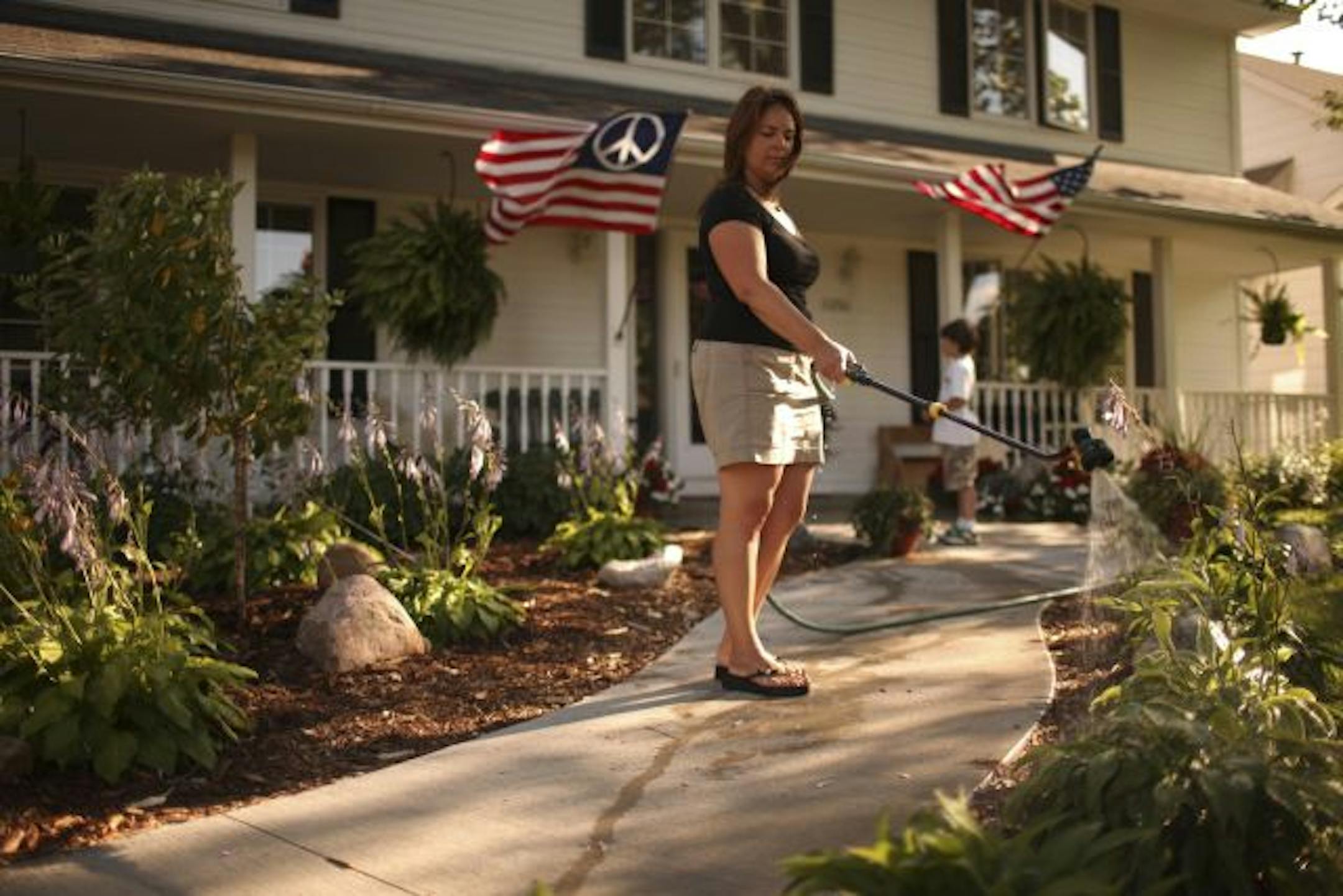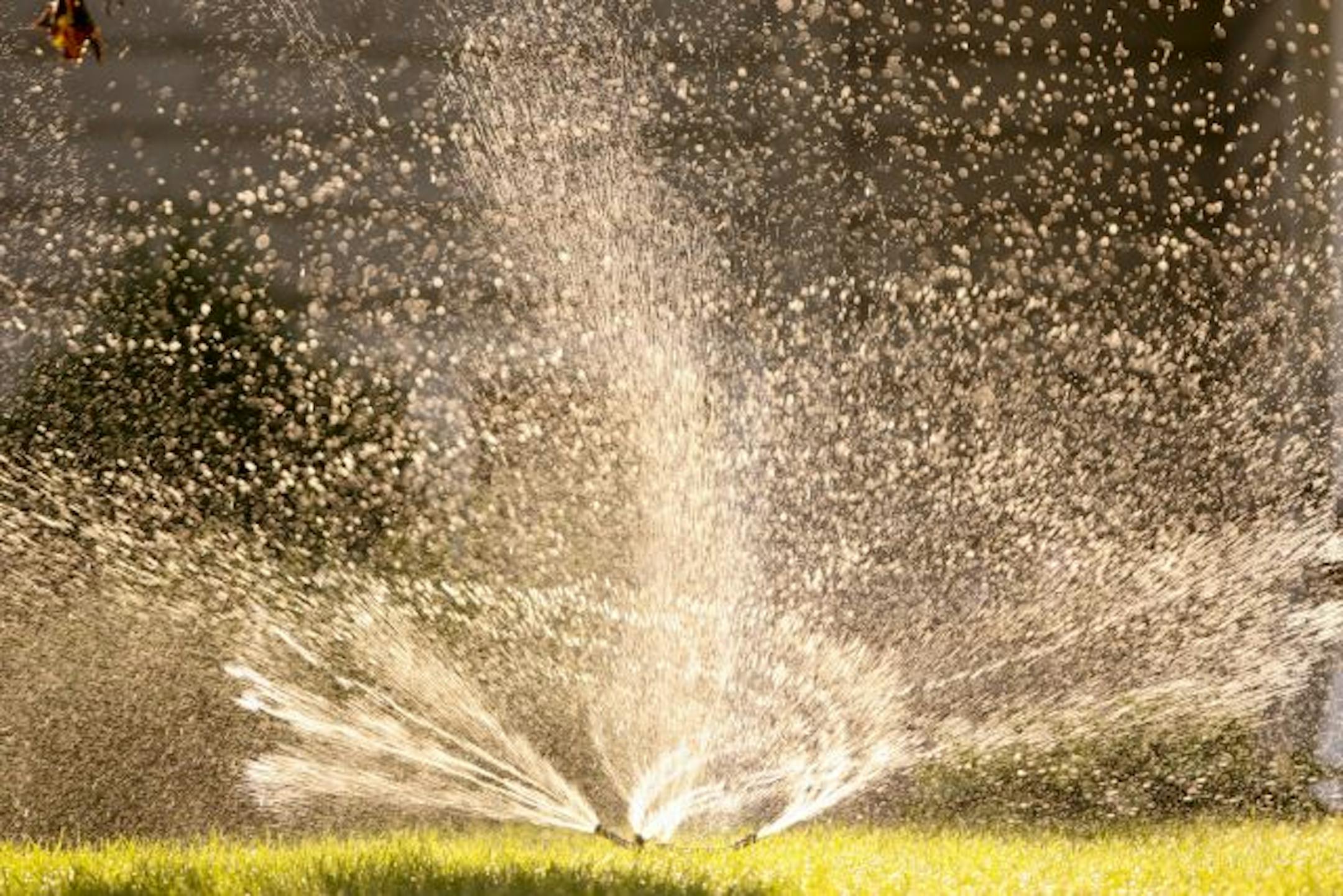
With thirsty lawns and trees in need of water, suburban residents are struggling to get their home landscapes through a dry summer while obediently adhering to water conservation restrictions.
City after city now has adopted watering restrictions and stepped-up rates for high water usage, and some residents are shy about watering even when it's allowed, fearing they are wasting a precious resource.
Yet there is no water crisis in Minnesota. The Twin Cities area has more water in lakes, rivers and groundwater reserves than almost any other metro area in the country.
So, when is it OK for an environmentally conscientious citizen to water?
The answer depends in part on where you live.
Minneapolis and St. Paul, which get virtually all of their water from the Mississippi River, haven't restricted water use since the drought of 1988. For now, pumping water from the Mississippi onto your lawn won't stress any resources.
But some suburban cities that rely on wells have seen water levels drop precipitously during summer months, even though they may restrict lawn-watering on an odd-even day basis. Experts say there is reason to be concerned about the long-term health of aquifers from which some cities draw much of their water, via wells that range from a few hundred to 1,000 feet deep.
In Dakota County, water levels in environmentally sensitive fens have dropped when nearby wells sucked up too much water. In Chanhassen two years ago, two city wells ran dry. Some cities have had to revamp wells to pump deeper to get sufficient water.