

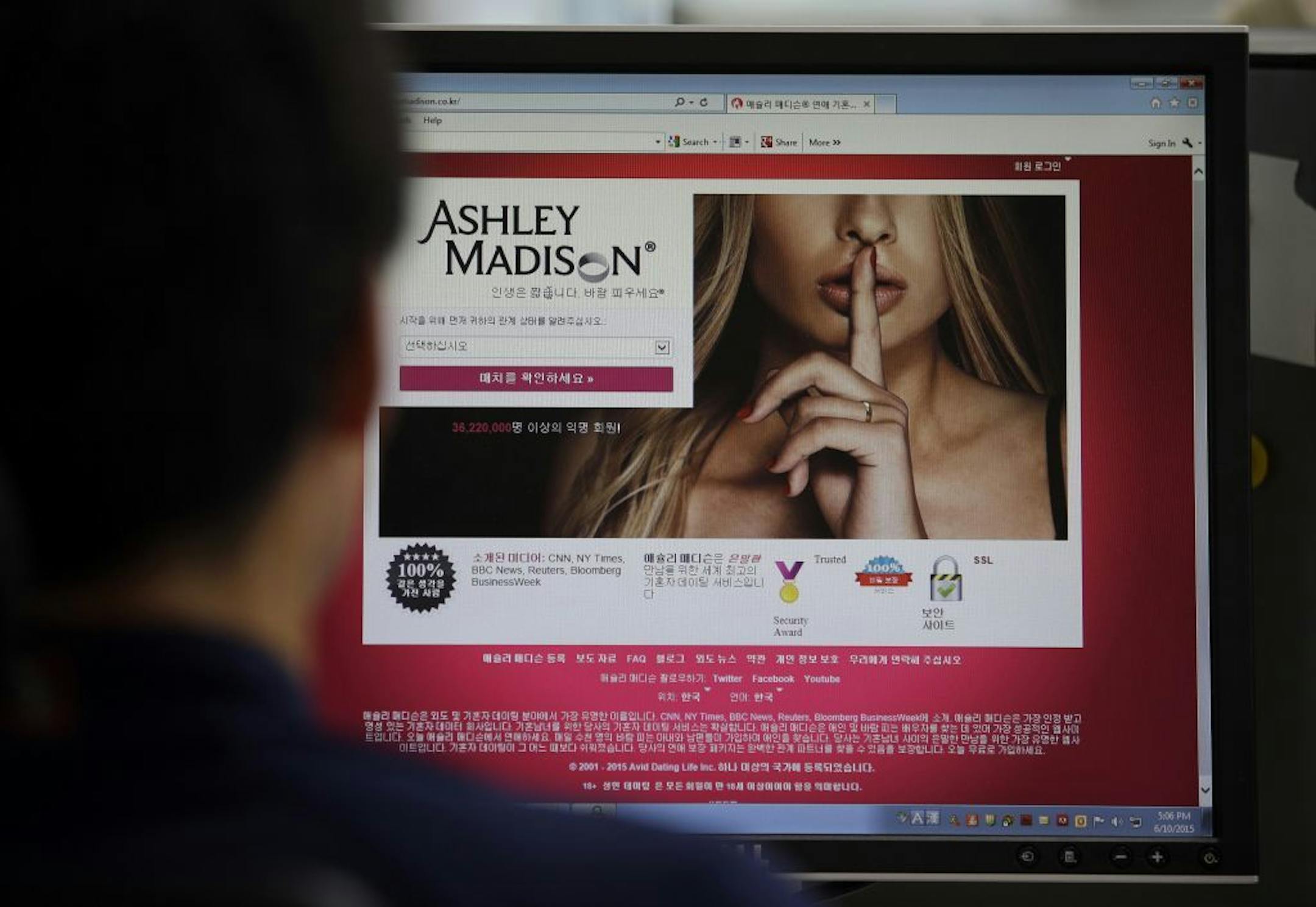
Let me start by saying that I am NOT on the Ashley Madison database. But this article, written by an old blogging friend of mine, really, really made me think.
I've had a website on the internet for 10 years. And in those 10 years I have written countless stories and shared my opinion and quipped and quoted back and forth with friends and family, strangers and, yes, a few trolls and haters. (It comes with the territory, unfortunately.) Each day, I share at least one personal photo, sometimes two, on social networks such as Instagram and Facebook. As my kids get older, I've definitely become more guarded and cautious. I don't share daily details of their lives as I did when they were babies. I make sure the photos and stories I share won't embarrass them. I am all about "keeping it real" but I am also about making sure my kids don't hate me someday. As I read Jennifer Jeanne Patterson's words on Monday, my gut heart hurt. Jennifer's article got me thinking about the digital footprint we're leaving for our kids, too. I mean, I love getting to see my friends' newborn babies and graduation photos and first lost teeth. I think we all relate with "why won't my child take a nap?" posts and stories about the chaotic days of parenting. But what is the threshold between sharing and oversharing, between giving a glimpse and creating an online identity your child may not like in 10 or 20 years? There are lots of things I've said and done online that didn't need to be said and done. There are opinions I shared that I don't necessarily still have anymore and realizations made over time. There are photos shared that probably didn't need to be shared. But as we all know the internet never forgets. The internet lives forever.
So when I wrote that I didn't understand parents who co-sleep, and then found myself sleeping upside-down sandwiched between two littles in my queen-size bed, I realized I was just a stitch wrong. Hypothetically speaking, that is. I'm not only dwelling on the things we post and share, but also on private electronic communications. This Ashley Madison hack may be funny and disheartening but it's truly showing us that there is no such thing as privacy. Who's to say your email log from 2004 doesn't get drudged up -- with all those emails you wrote making fun of your boss and his turtlenecks? Or what about the texts between friends? So where is the balance? How can we live authentic lives online while respecting our children's future online lives? (I mean, honestly, Instagram Chatbooks are pretty much the only photos my kids SEE printed these days.) And why are we all gloating and laughing about this leak and all those "cheaters" who are being caught when the next data leak may expose us in a different way?


