

The University of Minnesota will raise undergraduate tuition by 2 percent for state residents and 12.5 percent for nonresidents on the Twin Cities campus this fall.
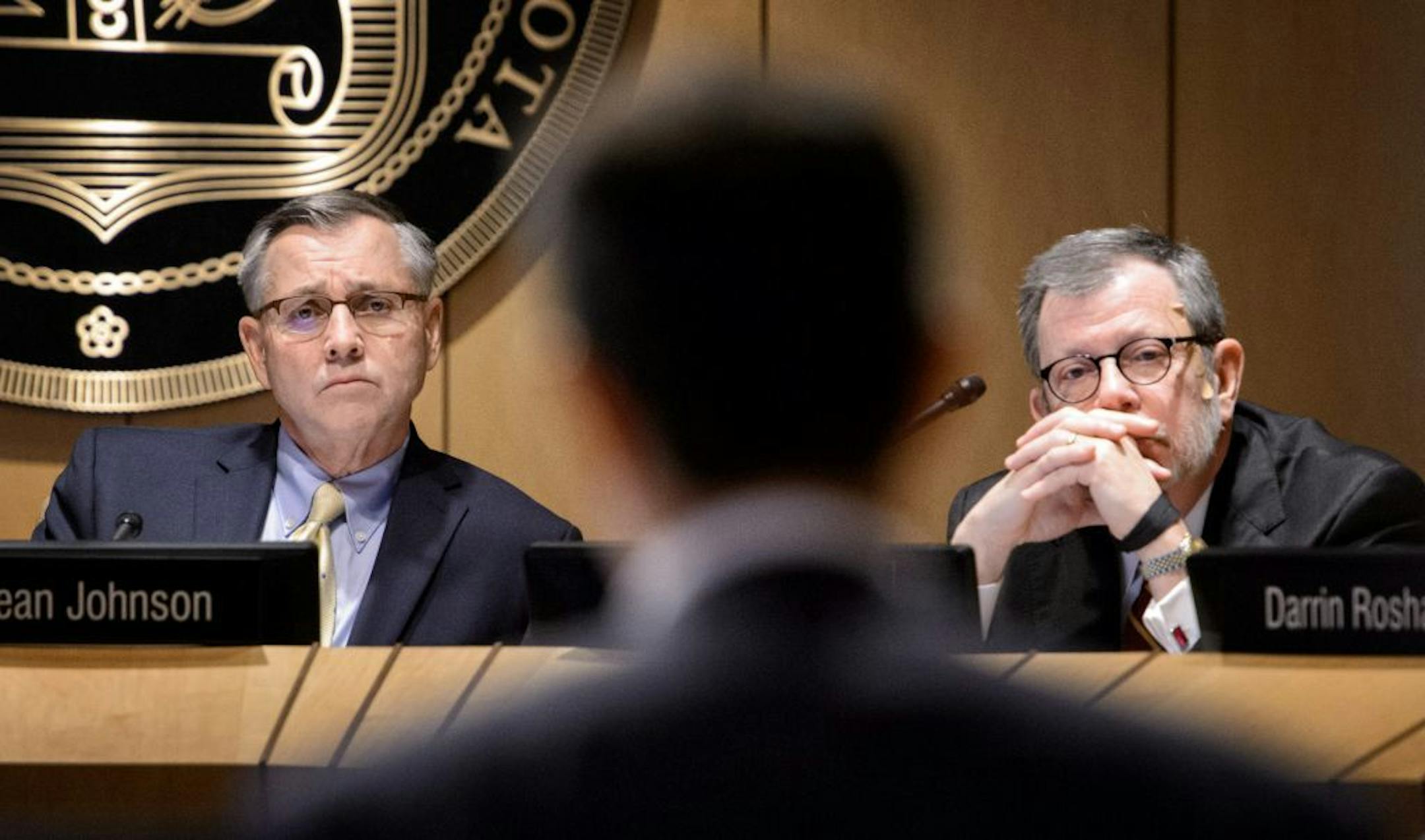
The new rates were approved Tuesday by the Board of Regents after President Eric Kaler revised his earlier proposal, which had called for a 3 percent hike for in-state students and a 10 percent increase for nonresidents.
As a result, in-state undergraduate tuition will rise to $12,800 on the Twin Cities campus, an increase of $254 per year. Tuition for nonresidents will increase by $2,776, to $24,986.
Kaler's original plan, proposing a $376 increase in in-state tuition, got a chilly reception earlier this month from several regents. On Tuesday, he said he was offering a compromise to address their concerns. "Clearly, there was a strong spirit on the board to moderate and minimize [in-state] tuition increases," Kaler said. "And I share that."
Kaler said he recommended raising the nonresident rate by an extra 2.5 percent in part to help offset the smaller tuition rise for state residents. But it's also part of the U's long-term plan to raise the nonresident rates, which are among the lowest in the Big Ten, to about $35,000 a year, the midrange for the group.
The new rate will apply only to first-time nonresident students, while returning students will pay a 5.5 percent increase.
On the four regional campuses, the tuition hikes will be smaller: 1 percent for in-state residents at Crookston, Duluth, Morris and Rochester. Nonresidents on the Duluth campus will see a 5.5 percent increase.
The U has blamed this year's tuition hike partly on the refusal of the Minnesota Legislature to fully fund its request for an extra $147 million over the next two years. In May, lawmakers approved a $56 million increase for the U, about a third of its request.


