

Princess Diana may be gone, but she's never really left the left the public eye. One of the more recent examples came by way of Season 4 of "The Crown," the popular Netflix series that, since 2016, has succeeded in portraying the humanity of Britain's royals - in all their shades of gray - while linking the institution of the monarchy to the fears and desires of us commoners.
With the latest screen portrait of Diana, it's best to get one thing clear up front: "Spencer," for the most part, doesn't probe for those same moments of connection with the House of Windsor. The cinematic portrait of the titular Diana Spencer by director Pablo Larraín ("Jackie") is best approached with a healthy skepticism. To wit: Royals are nothing more than cruel, privileged aliens whose spirits still haunt the Earth, long after they ever sought to have dominion over it.
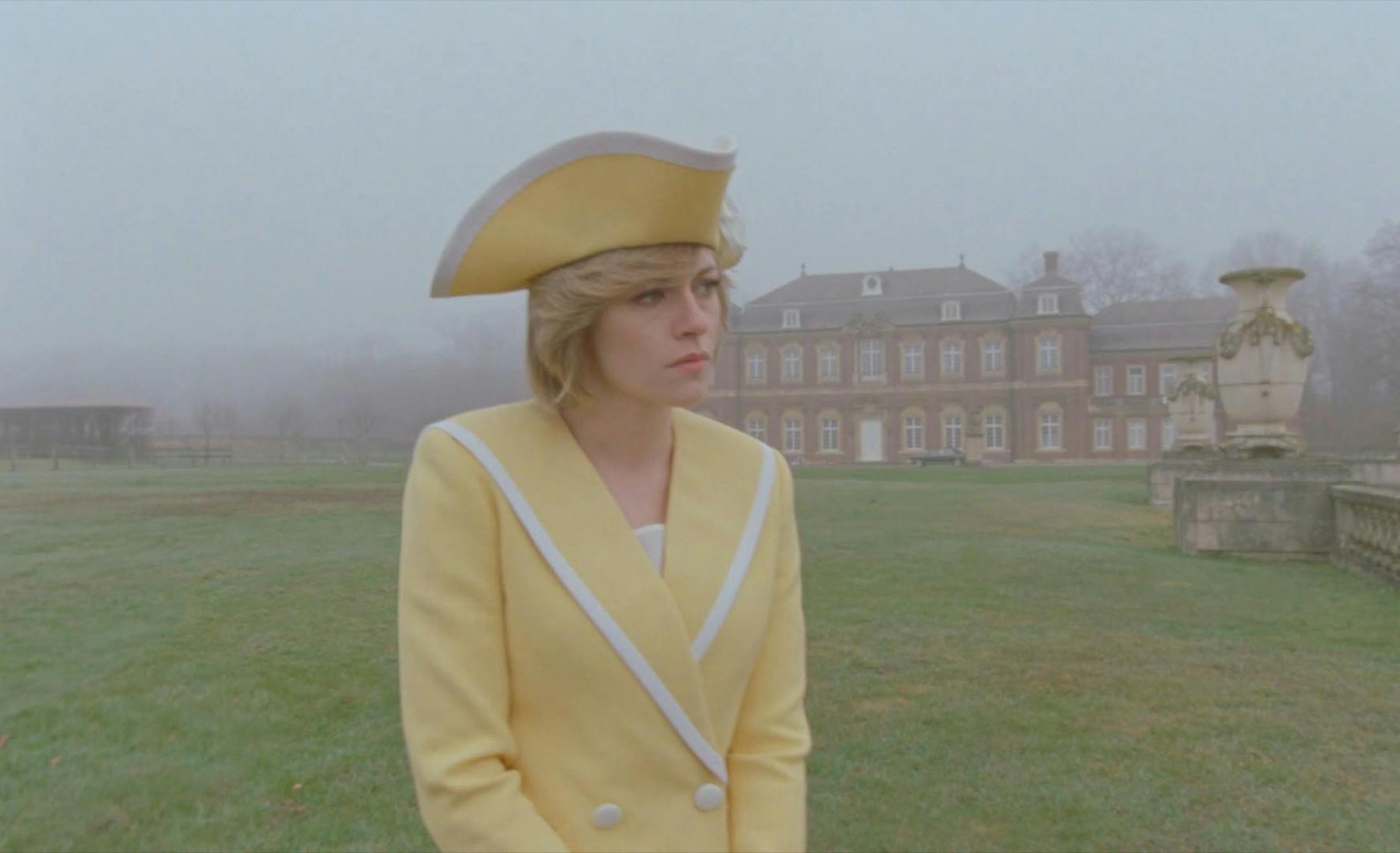
In the hands of Larraín, working from a screenplay by Steven Knight ("Locke"), and starring actress Kristen Stewart, who inhabits the title role, the story comes at its protagonist as if she were trapped in "The Shining's" Overlook Hotel.
The actual setting of "Spencer" is 1991, Sandringham Estate, the queen's Christmas retreat, where Diana has reached a breaking point, not just because of Charles's infidelity, but because of the strains of tradition and obligation.
(Any viewer looking for a faithful historical reenactment will probably recoil at the film's opening on-screen title: "A fable from a true tragedy.")
Stewart sinks her teeth into the role of a woman tortured, isolated and confined. As she demonstrated in the art-house film "Personal Shopper," the actress does "haunted" very well. Here, her highly attuned performance is not just in evoking Diana's expressive eyes, but her physicality, stomping - or tiptoeing - around the grand hallways and lush grounds of an estate she'll never call home. For a film with a fair amount of gloss, "Spencer" handles Diana's battles with bulimia and self-harm through some capably startling and effective bits of body horror.
The score by Jonny Greenwood of Radiohead - discordant piano and creeping, lounge-y jazz trumpets - nicely evokes Diana's eroding mental state, and is likely to keep you just as off-kilter as the film's subject.
Larraín's experience with "Jackie," another glimpse into the mind of an alienated woman in the spotlight, serves him well here. As with that 2016 film, themes of mythmaking and identity - what happens when your sense of self is subsumed by the greater good? - come under the microscope. The film is notable for not glamorizing the aristocracy. Instead, Larraín and cinematographer Claire Mathon direct your attention to the workers who uphold the fairy tale.

