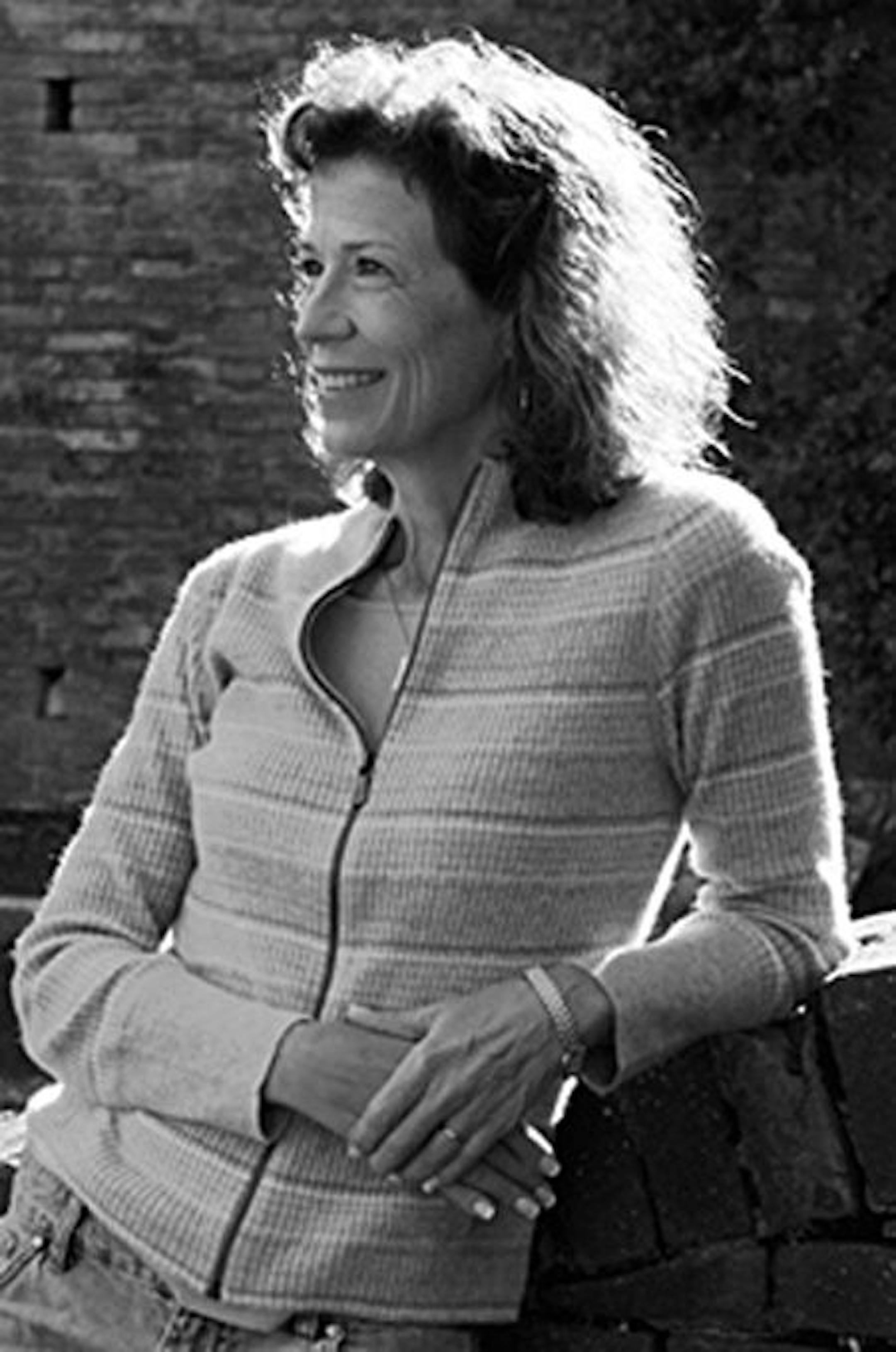
In "A Camera, Two Kids, and a Camel," Annie Griffiths writes, "I love that the camera has become my passport to another reality -- an excuse to go behind the scenes, arrive early, stay late or simply follow someone home."
For those times when she didn't get immediate access to her subjects, the award-winning photographer quickly learned what she calls "the art of going around."
Once, after the Palestinian Mufti of Jerusalem denied her attendance at Ramadan prayer ceremonies, she befriended women in the kitchen by chopping vegetables, and they eventually invited her to their dawn prayers at the Dome of the Rock.
In order to photograph L'ag b'Omer, an all-male Jewish holiday in Israel, she cut off her hair, wore a baseball cap and passed as a man.
She is to share her experiences on Feb. 23 at the Dakota County Library at Rosemount.
Griffiths, one of the first women to shoot for National Geographic, brought her two children along on assignment.
"Combining kids and career is tricky for anyone, but it can be really fulfilling," she said. "If I can do it with my crazy career, pretty much anyone can do it. For the most part, kids are great travelers, as long as they are comfortable and they are safe."
She said her family loved their time in the Middle East in the late 1990s. One photo in the book, shot during a sandstorm after a wedding in the desert, shows a Bedouin friend with his scarf keeping dust off her 4-year-old son, who lies curled up with a serene expression. "In a lot of ways, that's my favorite picture," she said, "because it's the truth. The Arab culture is one of the most welcoming cultures on earth. It's very family-based. It's such a rich, rich culture. It's heartbreaking to see the actions of a few used as propaganda to damn millions and millions. It's fear mongering."