SANDSTONE, MINN. – Were Jerry Kolter an accountant or an engineer, he could solve problems with mathematical precision.
Instead, as a breeder of bird dogs, he lives in a world of nuance and inferences, or what some might call educated guesses.
"Bird dogs'' in this instance defines canines that can race lickety-split through Minnesota's northern forests in search of ruffed grouse, a feathered foe whose survival instincts are knife-edge sharp, and include not only flying, but running, walking, levitating into trees and otherwise just plain vanishing.
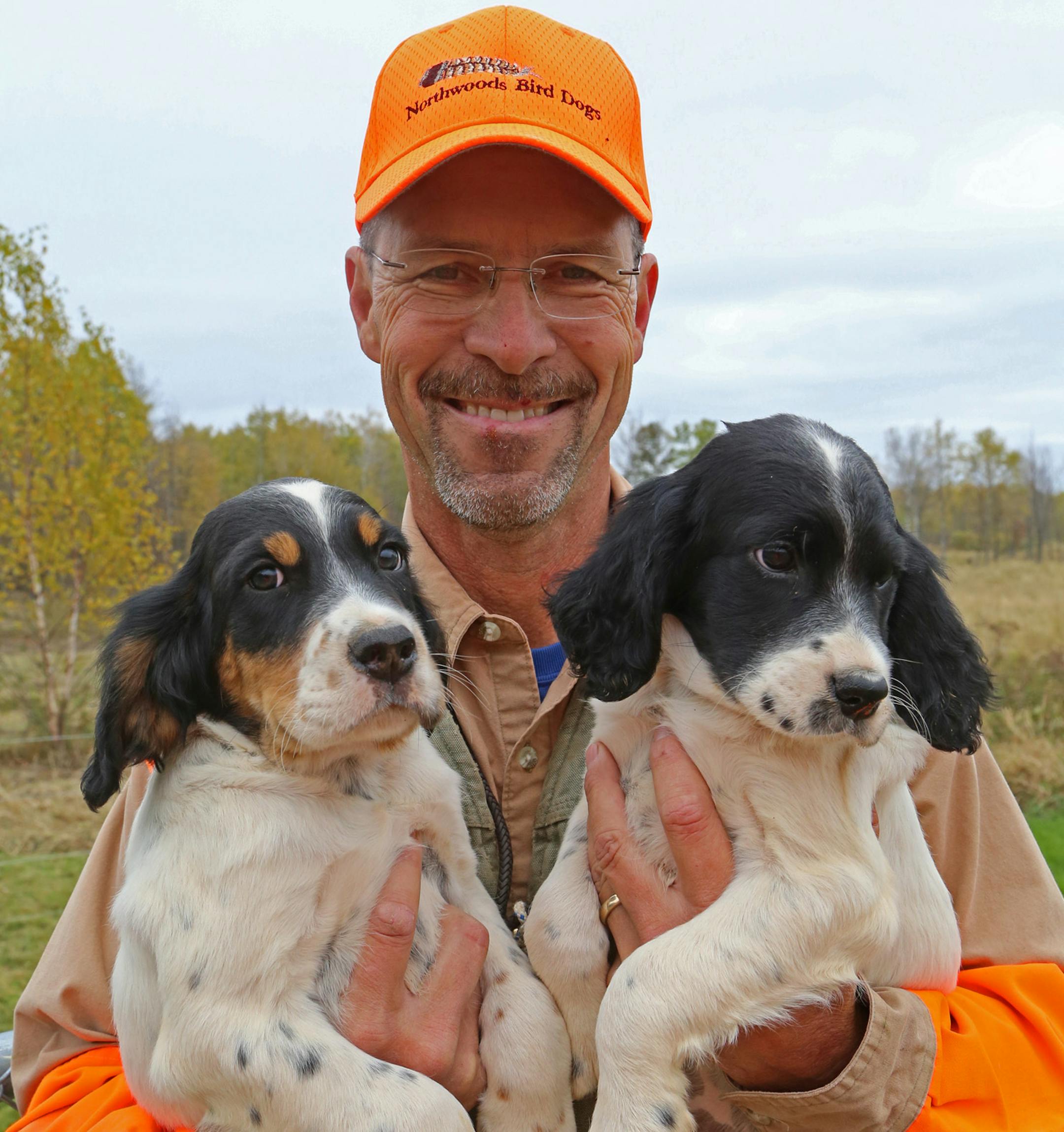
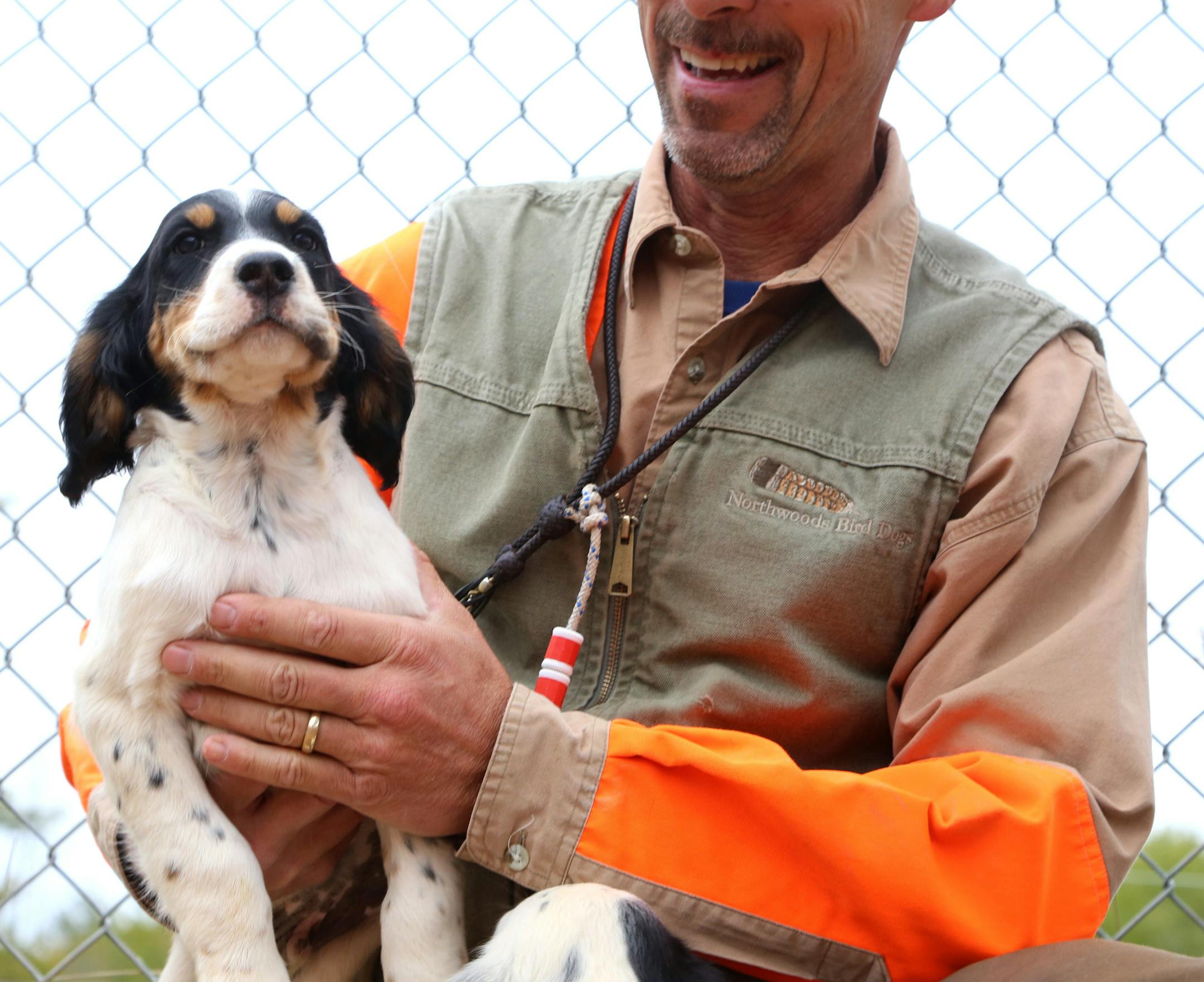
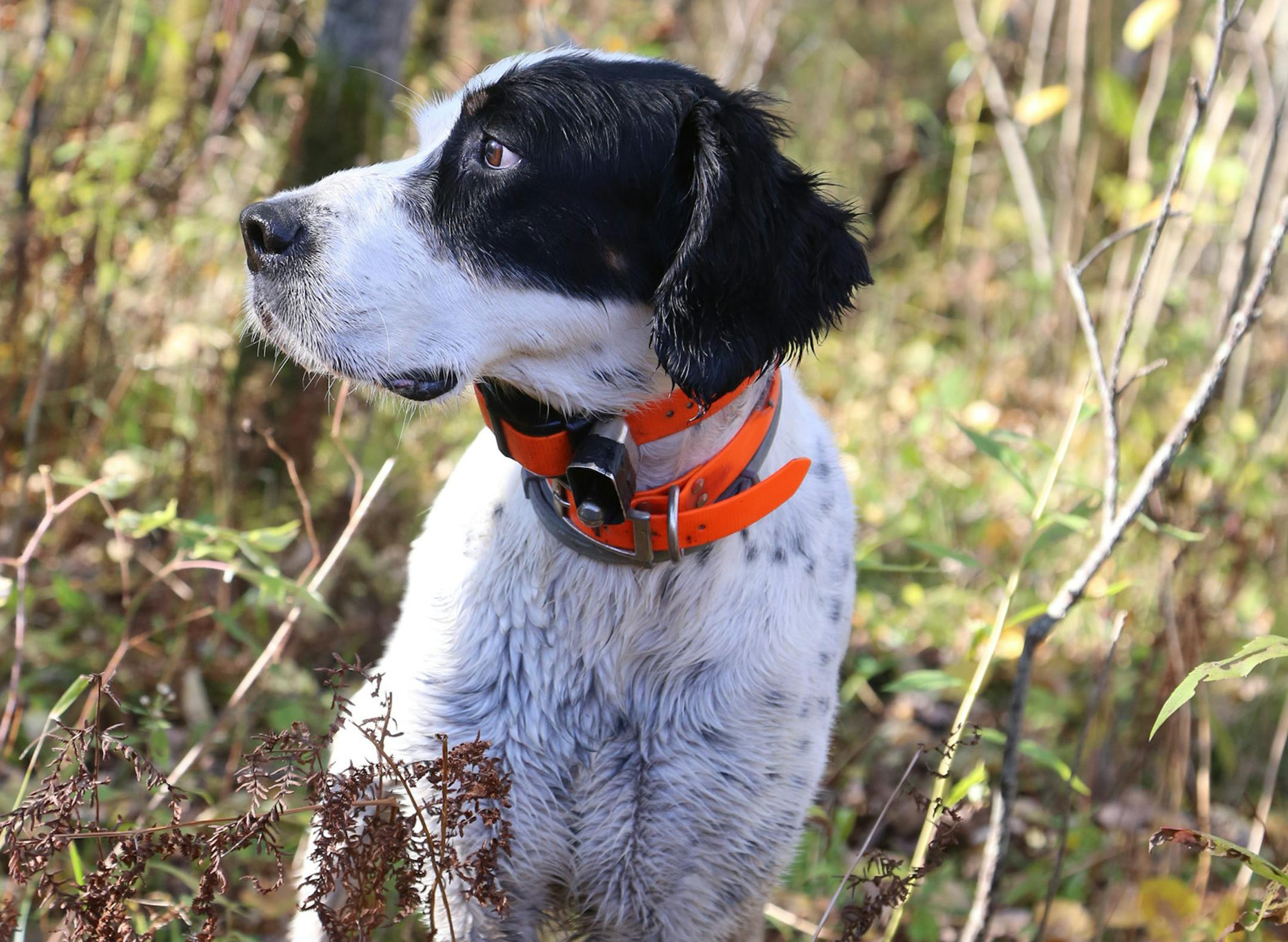
"This is Oscar,'' Kolter said the other day while unloading an athletically sculpted male English setter from his truck. The dog is owned by Kolter and his wife, Betsy Danielson, a partner in the couple's breeding and training kennel, Northwoods Bird Dogs.
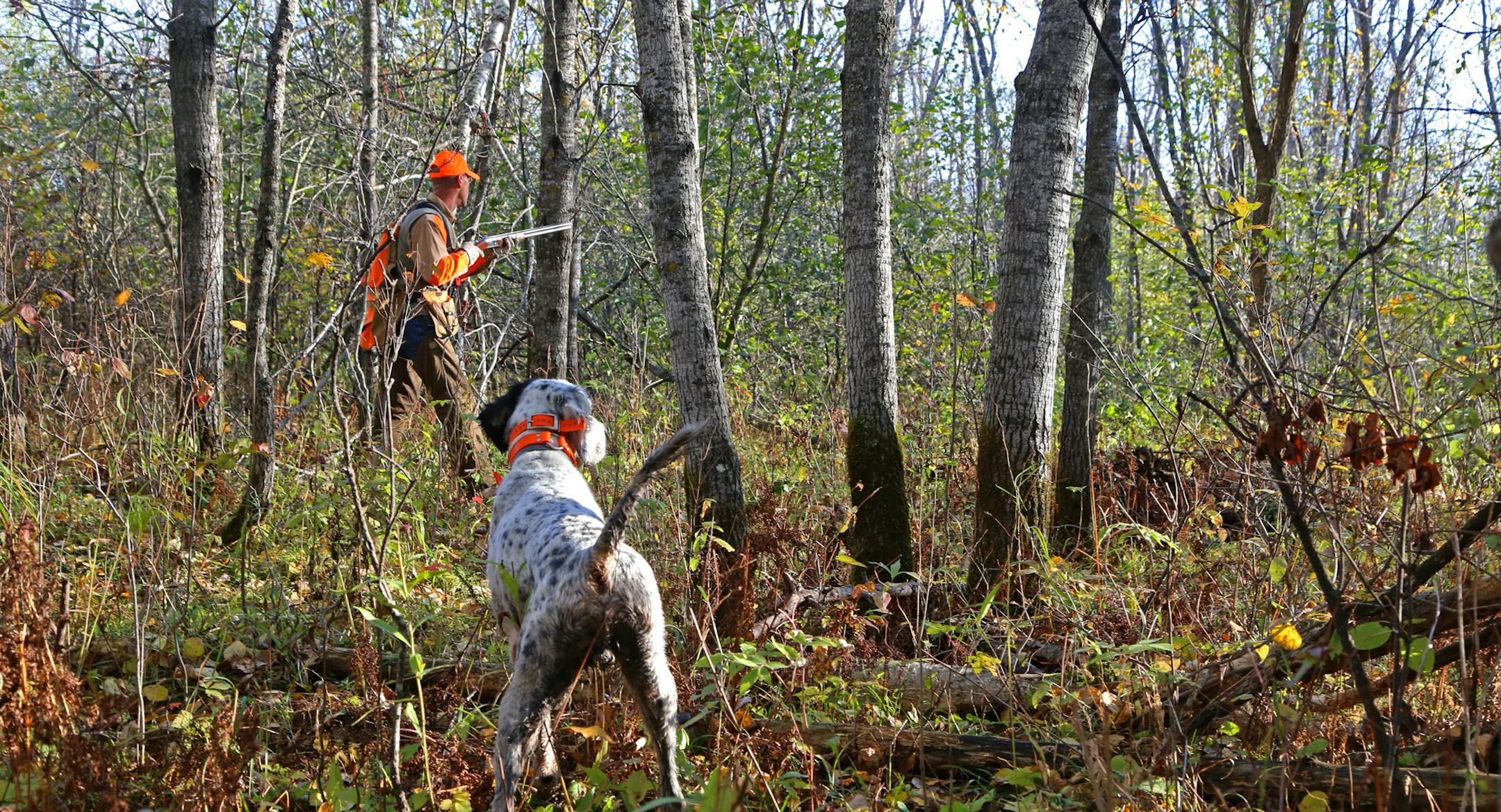
We were parked alongside a vast block of public forest land in Pine County, between the Twin Cities and Duluth, and were about to engage, the three of us — Kolter, Oscar and me — in a battle of wits and brush-beating stamina with Ol' Ruff, the King of Game Birds.
Cagier than pheasants, more reclusive than bobwhite quail and better tasting than sharp-tailed grouse, ruffed grouse are a species shrouded in mystery and capable, it seems, of mutating from simple forest dwellers that stroll lazily on logging roads, to magic acts that disappear in a heartbeat.
"All right,'' Kolter said, and Oscar was off in a blur, his legs opening up as he bounded over deadfalls and between aspens, his head held high.
Unlike continental pointing-dog breeds such as Brittanies and German short-haired pointers, which typically smell the ground while hunting, English setters and pointers (previously known as English pointers) hunt with their heads up, scenting the air.