

Opinion editor’s note: Strib Voices publishes a mix of guest commentaries online and in print each day. To contribute, click here.
•••
In the final month of Vice President Kamala Harris’ 2024 presidential campaign, she appeared on several so-called “nontraditional” media shows. Most notably, Alex Cooper’s “Call Her Daddy” podcast, centered around women’s issues. She also made rounds on other radio and podcast shows, including with Howard Stern, Charlamagne tha God, “Club Shay Shay” and more.
The Harris campaign’s new media strategy was clear: In an age of different kinds of media, the Harris campaign sought to reach as many people as possible. At first blush, the strategy was not wrong.
Despite all the podcasts and radio shows that Harris went on, however, Harris still fell short of winning the election. It was not because Harris did not understand the imperative of moving beyond traditional news sources. Nor was it because the new media outlets Harris went on did not matter — indeed, each show appeals to a unique and distinct audience that may have helped Harris.
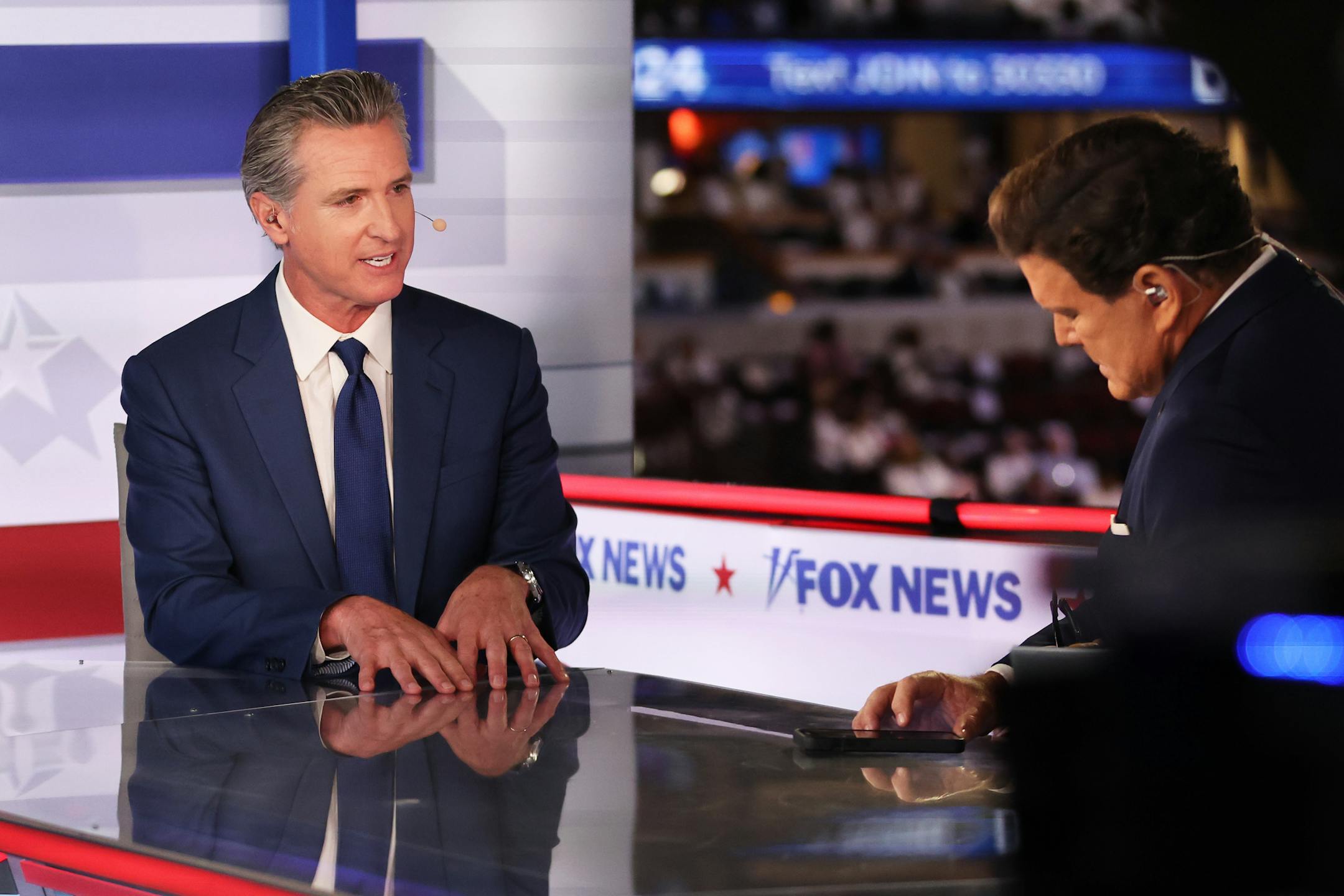
Instead, Harris fell short because competing in today’s media environment requires not only consistently stepping into Republican-controlled media environments, but also being bold and aggressive while doing so. Aside from an interview on Fox News with Bret Baier — during which Harris proved herself to be capable at answering hostile questions — the Harris campaign spent most of its time on the shows it wanted to engage with, rather than shows with which it needed to engage. Put simply, the Harris campaign minimized its risks. In this election, that strategy fell short.
To be sure, it is plausible that the Harris campaign’s decision to engage with friendlier shows was strategic from its perspective. For one, Harris had limited time. She had only 107 days to introduce herself to the nation and couldn’t engage with every type of media, while also traveling the nation meeting with voters and rallying large crowds. The Harris campaign could have also felt that, because Harris is a woman of color — which leads to heightened media scrutiny of any mishap or stumble — playing it safe was the best option. In other words, if Harris could minimize errors, she could minimize room for scrutiny and, ultimately, she could minimize any negative shifts in the polling.
But given the results of this election, it is clear Democrats can learn many lessons from the Harris campaign’s new media approach.


