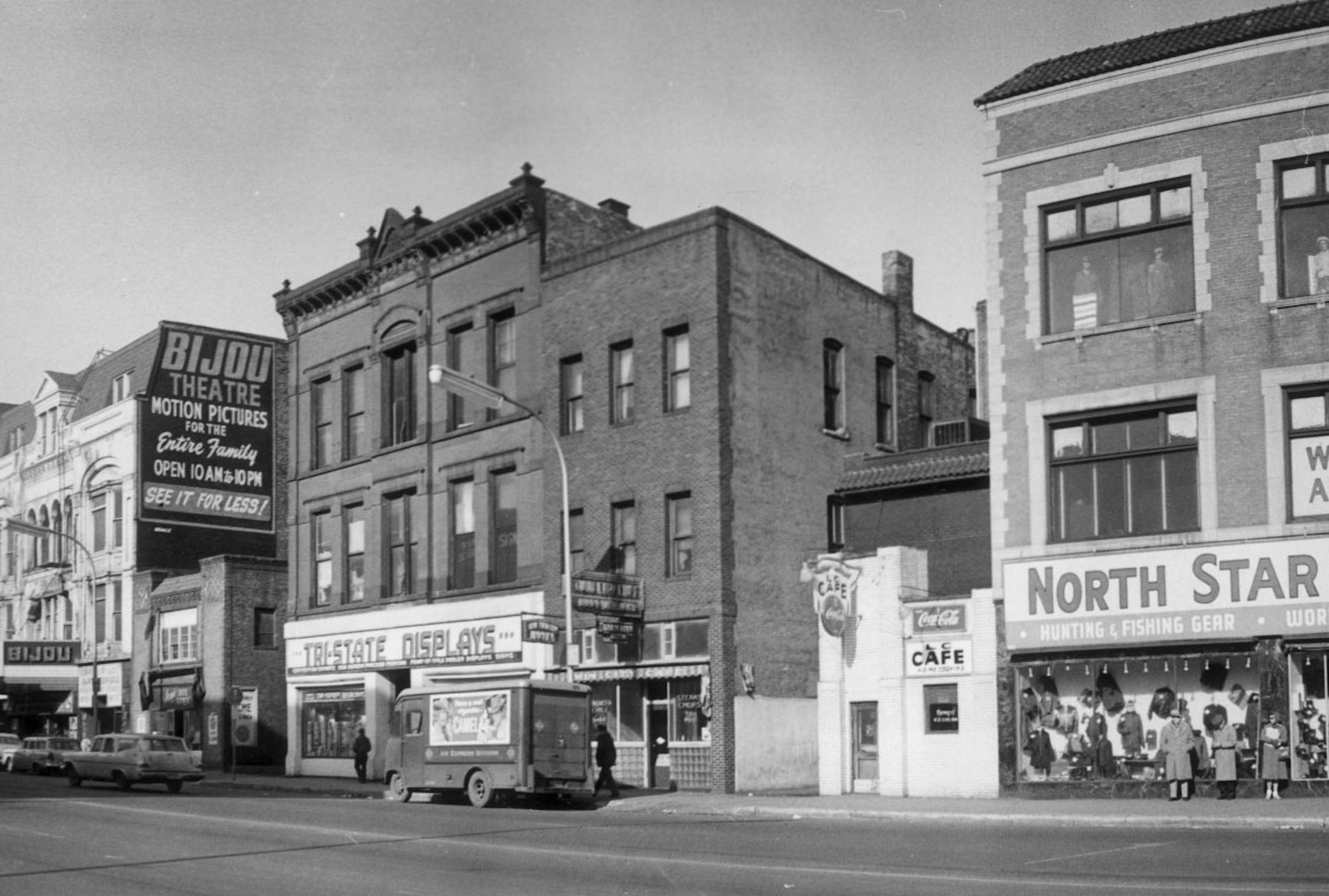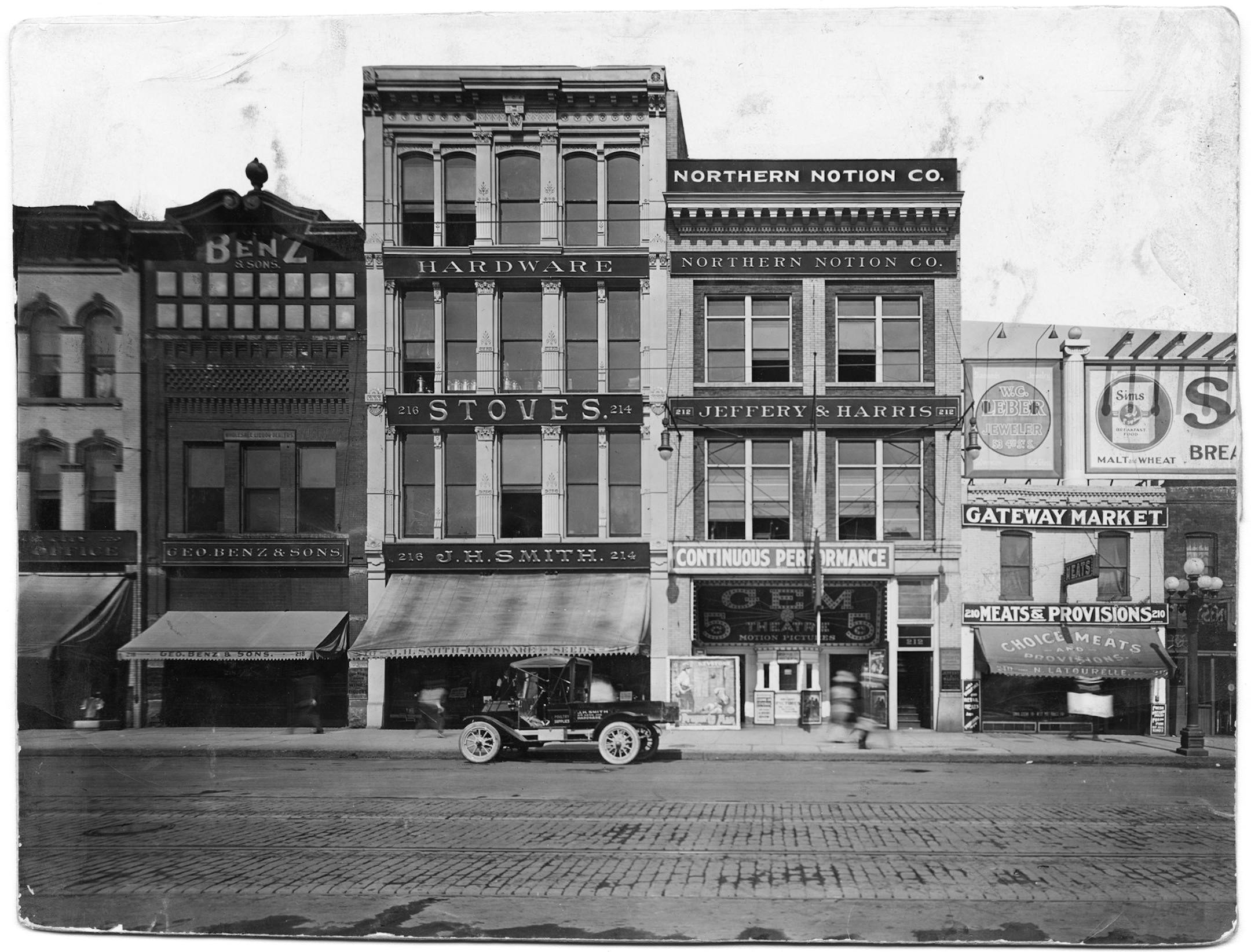
Urban skylines are defined by soaring skyscrapers and landmark buildings visible from afar, but it's really the smaller, humbler buildings around them that shape a city.
The IDS Center in Minneapolis and the State Capitol in St. Paul are civic signatures, designed by celebrated architects. But far more important in our daily lives are the commercial buildings — the stores, apartments, warehouses and offices — that originally filled out our downtowns and lined our main corridors like Lake Street and University Avenue.
Urban planners call these structures "fabric buildings," a term largely unknown to the general public. It's time we learned what they are and just what they offer.
Virtually all of St. Paul's Lowertown and the North Loop in Minneapolis are filled with two- to six-story buildings. Some are nondescript, but many were designed by architects and exquisitely detailed. Their real beauty is apparent when you see them together on the streets they frame. Although these commercial buildings were originally designed for manufacturing and warehouses, they have proved highly adaptable.
Lake Street in Minneapolis is a multigenerational case study in fabric buildings and their lasting importance.
Starting around 1890, Lake Street's stores, offices and, eventually, car dealerships grew to create a rich architectural ensemble, which made the stretch from Uptown to the Mississippi River a great place for car "cruising."
By the 1950s, young people found an evening of magic in Lake Street's continuity of neon, bright storefronts and sidewalk vitality — all stemming from the perfectly ordinary buildings, theaters and small businesses that thrived there. Taken alone, these buildings were nothing special, but together these fabric buildings became a destination.
(The same could be said for Grand Avenue in St. Paul, which remains a shopping, business and restaurant hub today.)