

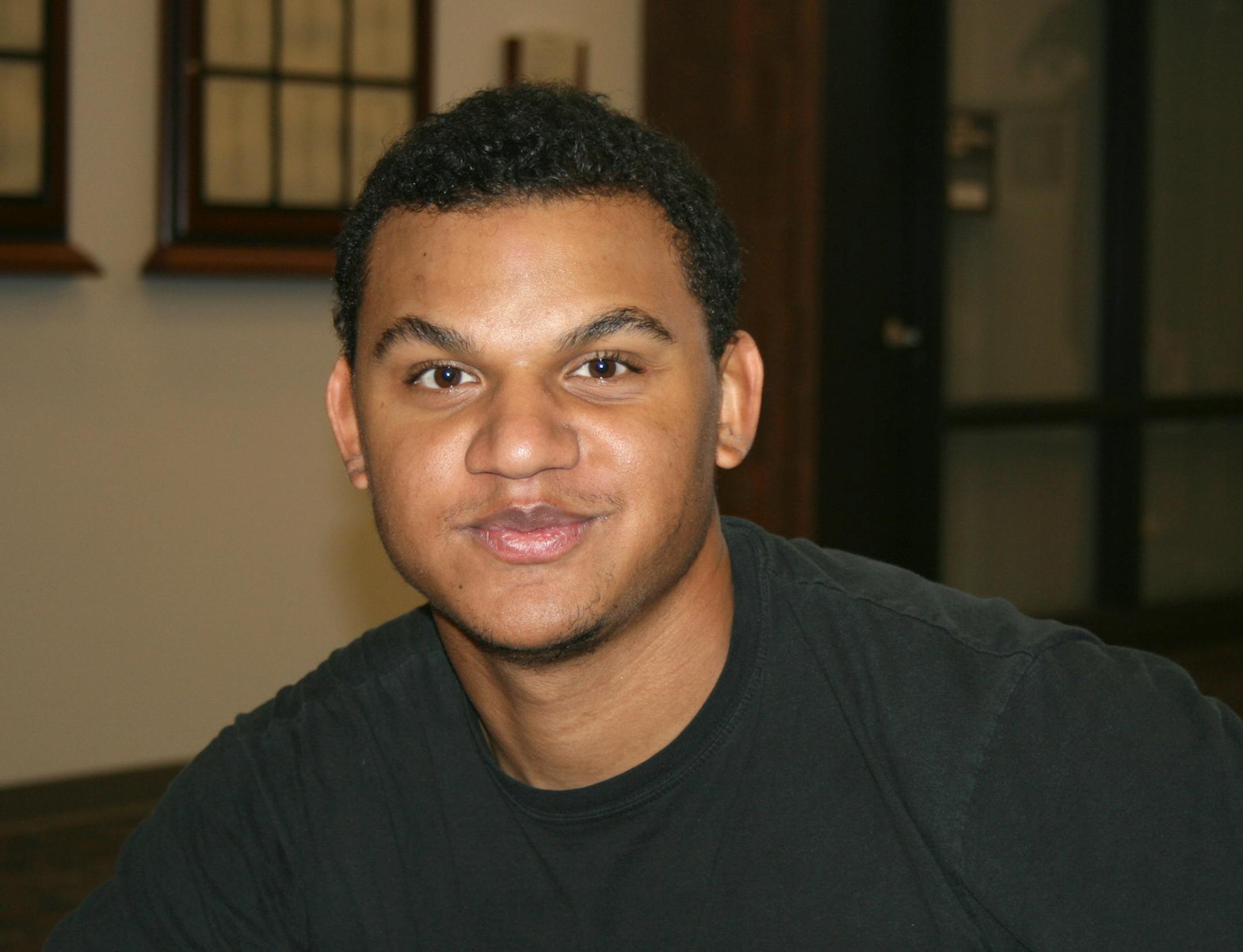
Tony Taylor returned to his college classes last Monday and, if all goes as planned, he'll graduate in the spring. It's been a challenging road for Taylor, 21, who carries a full load of 12 credits, works 38 hours a week and pulls in a solid B grade-point-average.
The childhood model-turned-athlete and actor at Tartan High School in Oakdale hopes to pursue an advanced degree in theater arts, with an eye on Hollywood. I have no doubt we'll write about him if he gets there. Today I'm writing about him for a different reason.
I was proud to see the University of Minnesota, Carleton, Macalester and St. Olaf colleges receive high rankings in U.S. News & World Report's "America's Best Colleges," published last week. But I can't help also feeling a little queasy about all of it: The rankings, the frenzy around International Baccalaureate (IB) programs, the parental high-fives when our children head off to the nation's elite schools.
Yes, we should celebrate their successes. But not at the expense of the huge swath of young adults heading quietly to two-year community colleges and solid, lesser-known four-year institutions. Not by shoving their efforts, dreams and contributions under the radar.
In fact, less than 1 percent of high school seniors head off to Ivy League schools such as Harvard, Yale and Princeton; a small percentage more attend other elite schools.
Many more attend four-year state schools, but nearly half (47 percent) of undergraduates attend community colleges, according to the American Association of Community Colleges.
Many are first-generation college students who see community college as a stepping-stone to a four-year institution. Thirty-five percent are students of color.
It's community colleges that produce 59 percent of new nurses and nearly 80 percent of our firefighters, law enforcement officers and EMTs. And, interestingly, it's community colleges admitting a growing number of students with sterling high school résumés who want to avoid skyrocketing tuitions at bigger state schools, or who value small class sizes and teachers who really know them.


