

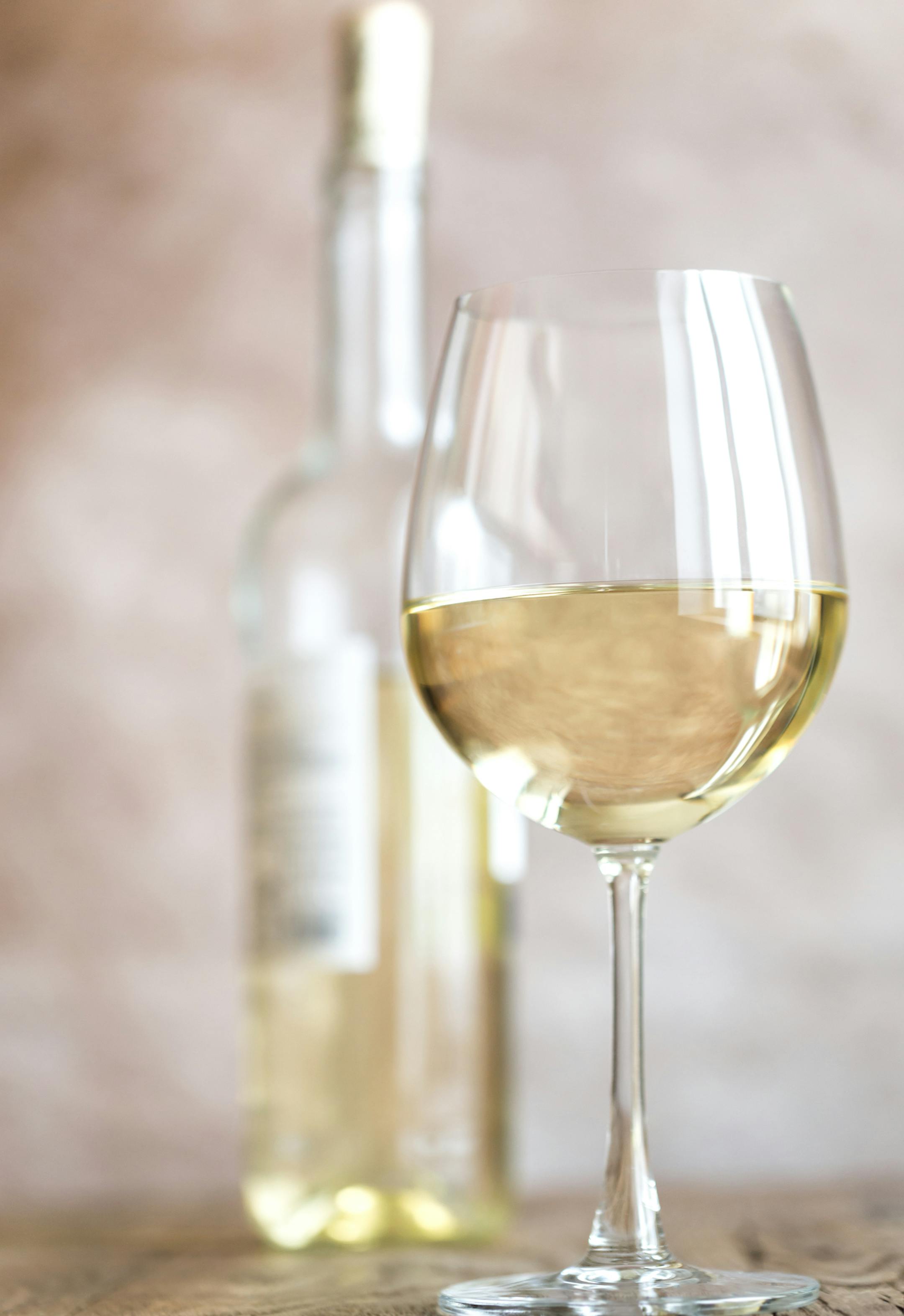
Ah, Willamette Valley pinots! They're almost uniformly expressive and vibrant, with surpassingly swell textures and finishes.
And that's before we get to the reds.
Now, of course, pinot noir is king in Oregon's foremost wine region. But pinot blanc and pinot gris are more than worthy queens. And they truly are wedded: The white grapes are both mutations of pinot noir.
But the two whites are quite different from each other. A slight genetic difference produces different colors, gris (gray) and blanc (white). Pinot blanc is fuller-bodied and rounder, with less acidity and more richness, especially when aged in oak.
Both grapes can come across as neutral and even boring if not vinified properly. Thankfully, that's virtually never the case in Oregon, which rivals France's Alsace region as an epicenter for iconic renditions of these varieties.
Which makes sense because of their similar climates: long summer days and cooler autumns, a result of both regions' more northerly latitudes. That's what prompted Oregon pioneer David Lett of Eyrie Vineyards to plant pinot of all ilks in the 1960s.
"The Willamette Valley has a marginal climate for growing [European] grapes," Lett said shortly before his death in 2008. "[The pinot iterations] fall into an early ripening category that matches the end of the growing season here. That means they can achieve maximum varietal flavor in Oregon by ripening slowly, and reaching full maturity at the very end of its growing season."
That affinity is a major reason why Oregon vintners almost always use the French term "pinot gris" rather than the Italian "pinot grigio" (same grape) and sometimes put the wine in tall, thin bottles: to reflect their aim to make this in a more Alsatian style, spicier and with more body and depth than most Italian renditions.

