

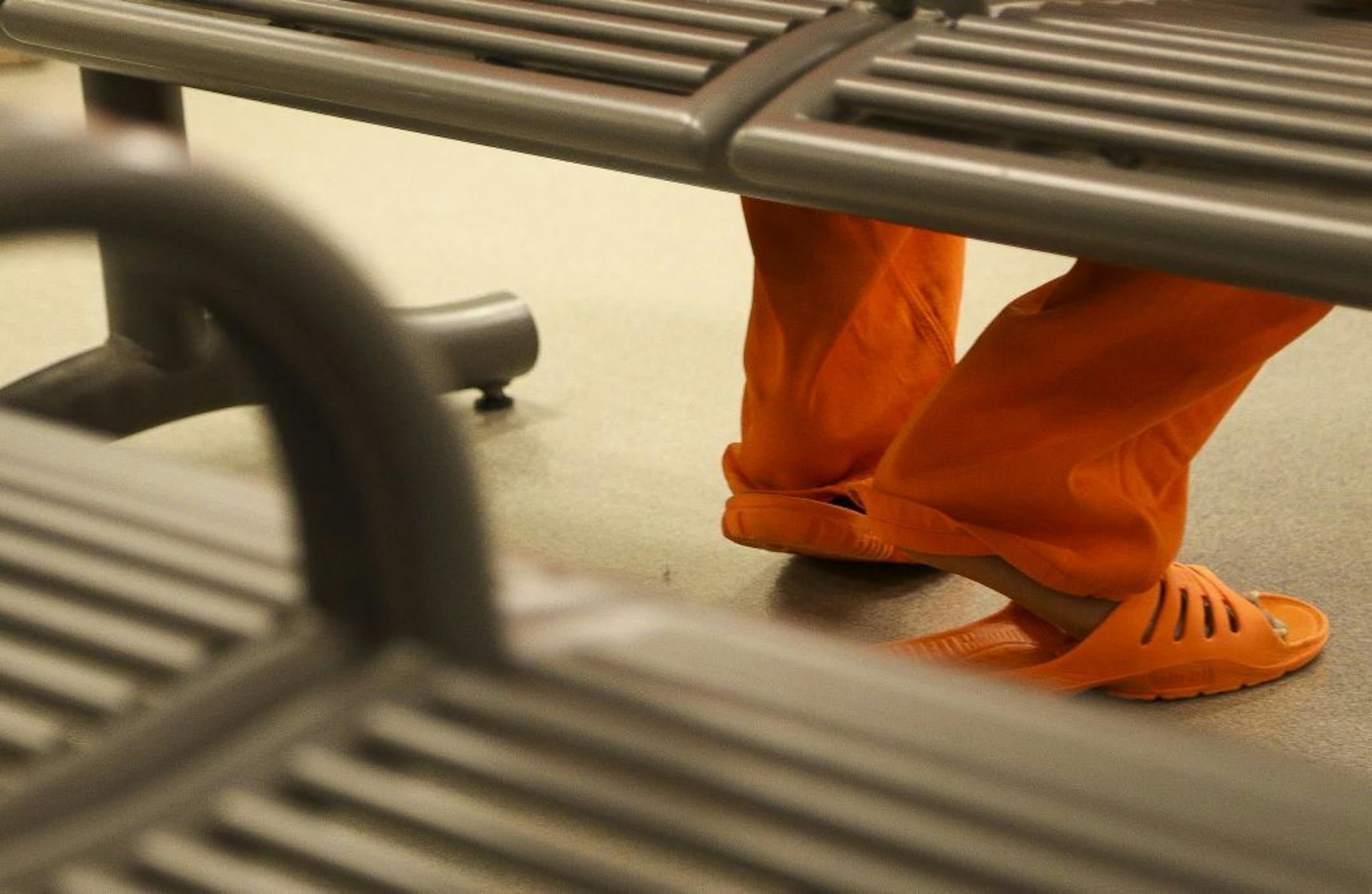
Hennepin County is rolling out a project to avoid jail time for people accused of nonviolent crimes and misdemeanors, an effort that could reduce jail crowding, save money for taxpayers and reduce what are often disproportionate burdens on the poor and people of color.
For the first time, individuals accused of low-level crimes, such as failing to appear in court for traffic violations, are being issued special warrants and then released by police instead of being booked into the Hennepin County jail.
County court officials are also exploring major reforms to the bail system, so that more low-risk defendants accused of low-level misdemeanors can await trial at home, instead of in a jail cell at a cost of $132 per day to county taxpayers.
The reforms, which are still in their early stages but echo a larger national shift in the philosophy of crime and punishment, are expected to reduce the jail's inmate population by up to 10 percent, potentially saving the county hundreds of thousands of dollars annually. Already, the changes have increased the number of defendants who make their court appearances and have allowed Minneapolis police to focus on more serious crimes by cutting the thousands of hours they spend transporting minor offenders to and from jail.
This summer, Hennepin County completed its first detailed analysis of the downtown Minneapolis jail population in nearly two decades. Officials found that of the roughly 35,000 bookings last year, nearly half were for low-level misdemeanors, such as loitering or driving after a license revocation.
Among these are a huge volume of arrests for people who simply miss a scheduled court appearance. Most of these offenders spend less than a day in jail, but some languish for days until a court hearing because they can't afford to pay even a small amount of bail. The public cost of holding these defendants in jail often exceeds the amount of the unpaid fines that may have led to their arrest, county officials said.
"The frustration is, we are spending a lot of time and money on low-level people who do not pose a public safety risk," said Hennepin County Assistant Chief Judge Toddrick Barnette, who is on a team of county court and law enforcement officials that helped craft the changes. "This will help us focus on the violent criminals who are actually hurting others."
Seven days for a minor offense
The reforms come amid a nationwide push to break the costly cycle of arrest and incarceration of people awaiting court proceedings for nonviolent offenses — a cycle, researchers said, that disproportionately affects low-income minorities and people with mental illnesses. A large and growing number of cities, including New Orleans, Philadelphia and San Francisco, are re-evaluating their practices amid charges that far too many black Americans — particularly young black men — are being arrested and jailed for traffic or public order offenses. Many are unable to post bail, and find themselves losing their jobs or even their housing as they await a court hearing


