Talk to Minnesota's young microdistillers about their whiskey ambitions and you can practically feel their hearts fluttering. But whiskey takes time, and good whiskey takes even more time. So instead, these mash-minded entrepreneurs are turning to unaged spirits to find their financial footing before filling whiskey barrels.
With its almost limitless opportunities for creative freedom, gin has been a popular pick, not only in Minnesota, but across the country. Leaping off the shoulders of the English and Dutch before them, American distillers are pushing the envelope for what the martini-anointed spirit should taste like.
"Gin gives you a chance to express yourself as a distiller," said Michael Swanson of Far North Spirits. "As opposed to other products that are going to be pretty neutral, gin lets you play with botanicals and gives you a chance to really show your stuff."
By definition, gin must derive its main flavor characteristic from juniper berries. But oftentimes these American-style or "new western" gins surround its piney spine with a show-stealing botanical bouquet or other outside-the-box flavors.
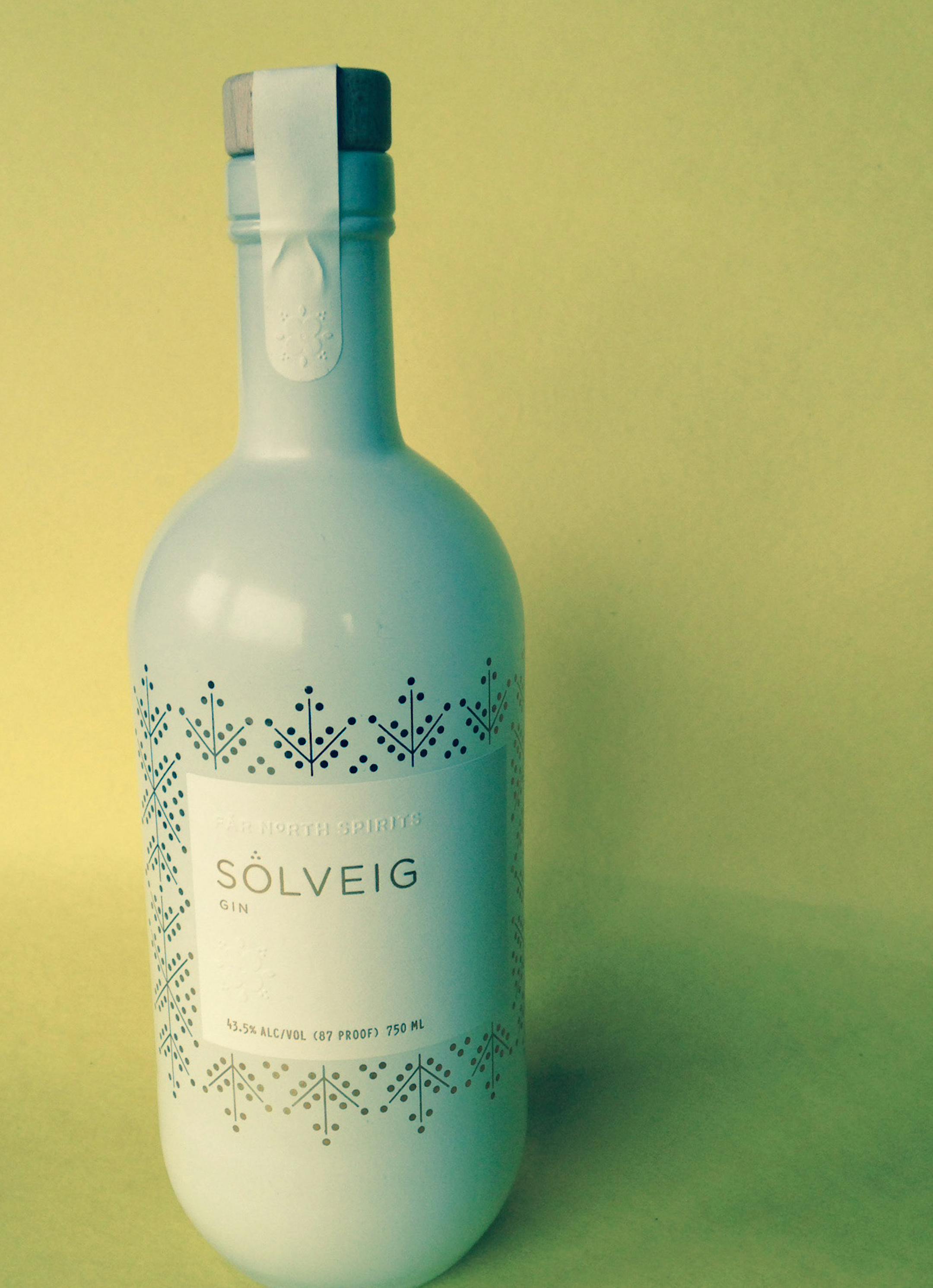
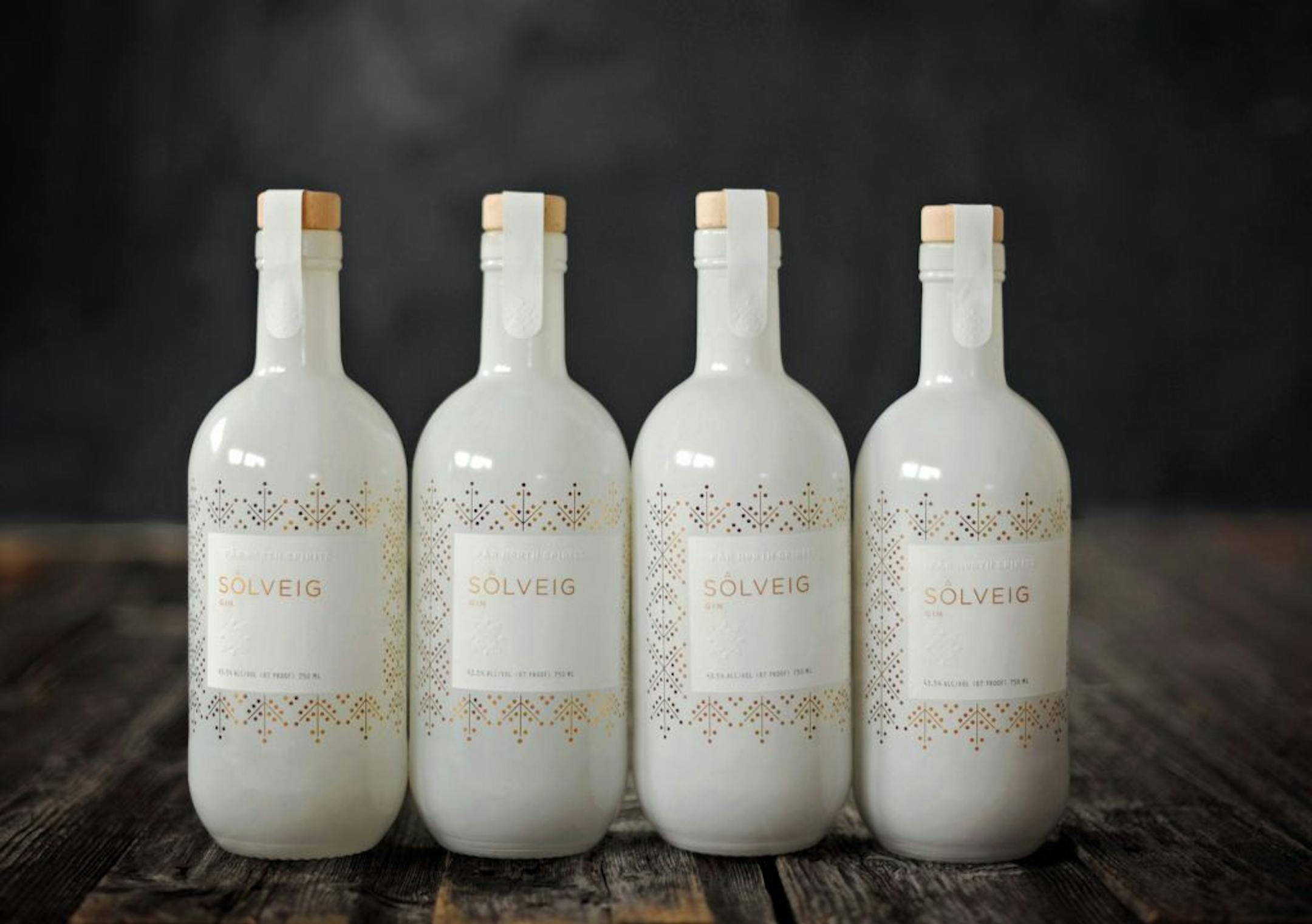
After three years of tinkering, Swanson came up with his Solveig gin recipe, modeled after the smell of a June rainfall on his farm in Hallock, Minn. While we've never whiffed his northern Minnesota plot (rainy day or otherwise), Swanson was successful in crafting a creamy rye-based gin that bears only a faint resemblance to the London dries it shares shelf space with.
Next week, northeast Minneapolis' Norseman Distillery will roll out a pair of vapor-infused gins, one more basic American-style gin and a strawberry-rhubarb expression made with rhubarb picked from owner-distiller Scott Ervin's back yard.
"It's as Minnesota as it gets. Hopefully we get a mention on 'A Prairie Home Companion,' " he joked.
Ervin's not the only local distiller trying to tap into Minnesota terroir and other homegrown flavors. Swanson's Solveig uses rye grown on his family farm, while earlier this year Duluth's Vikre Distillery debuted its Boreal gin line, drawing on foraged botanicals from the Lake Superior and North Woods area.
![Scott Ervin cleaned bottles before filling with Norseman Vodka on 1/10/14. The year starts off with a high-proof bang, as micro-distillers open in the metro. One of the first to actually have product in stores and bars is the small Norseman Distillery in NE Mpls., run by Scott Ervin.] Bruce Bisping/Star Tribune bbisping@startribune.com Scott Ervin/source. ORG XMIT: MIN1401101403390655](https://arc.stimg.co/startribunemedia/IRUKDSBBO7W3JGDWYZ4BH2OXCI.jpg?&w=1080)