

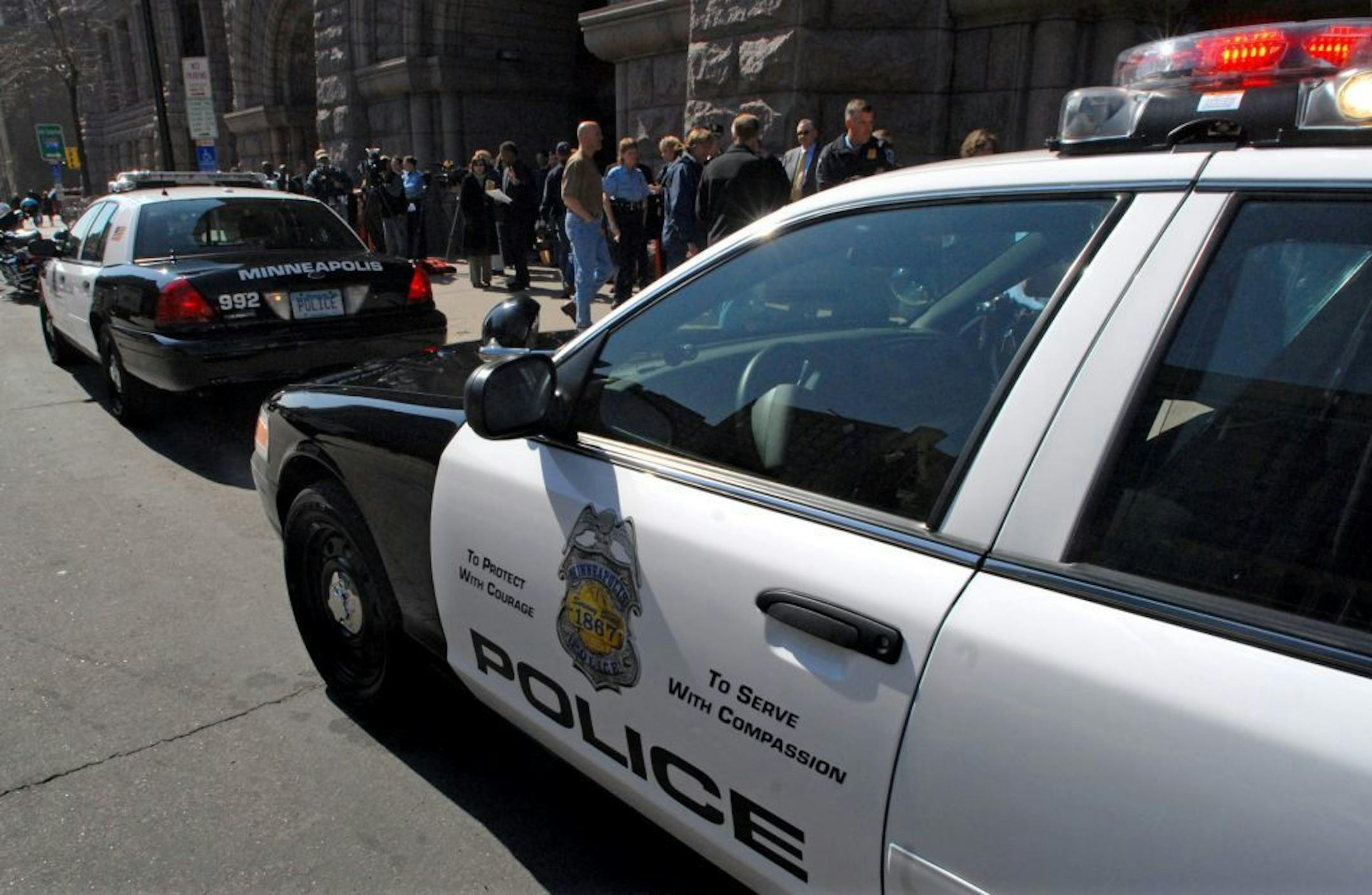
Police in the Twin Cities are signing off on more applications for special crime victim visas at a faster clip as city leaders and activists have made the visas a banner issue amid stepped-up immigration enforcement.
The city of Minneapolis recently set tight deadlines for law enforcement to certify applications for the visas, called U visas, which open a path to citizenship for crime victims who cooperate with authorities. Now, a similar ordinance is in the works in St. Paul, also requiring fast-track review for immigrants facing imminent deportation.
"It shouldn't matter if you live in Minneapolis or St. Paul," said Amy Brendmoen, the St. Paul City Council president. "Your protections should be similar."
Both urban police departments recently tweaked their handling of the applications, which need the local backing before a federal agency can approve them. Minneapolis, which has long received and approved a high number of requests, assigned a full-time officer to the task for the first time. In St. Paul, the approval rate for such requests jumped sharply.
Even as activists tout U visas as a litmus test for cities aspiring to be immigrant-friendly, supporters of restricting immigration are arguing police should set more stringent standards for signing applications. They say immigrants can abuse the program to dodge deportation, in some cases reporting crimes only after landing in removal proceedings. Immigration authorities have taken a tougher stance, scaling back a practice of giving immigrants with pending U visa petitions a reprieve from deportation.
"Although the U visa program can be an important tool in the investigation and prosecution of crimes, fraud and abuse of the program can lead to unjustified approvals leaving legitimate victims in the shadows," congressional Republicans wrote in a letter urging tougher federal oversight on the eve of the Trump administration.
Congress created the program in 2000 to encourage immigrants without legal status to report crimes, and some law enforcement officials such as Hennepin County Sheriff Rich Stanek have praised it as a key tool for building trust. More recently, applications have skyrocketed — an increase that, coupled with annual limits on the visas, has led to yearslong waits.
Closing the gap
Federal guidelines give local law enforcement much leeway in deciding which U visa applications to back, and practices vary widely among Minnesota agencies. In the metro, immigrant advocates have zeroed in on St. Paul Police, which in 2013 raised its bar for signing off on requests — a shift officials at the time described as a move to root out fraud, according to several advocates.


