

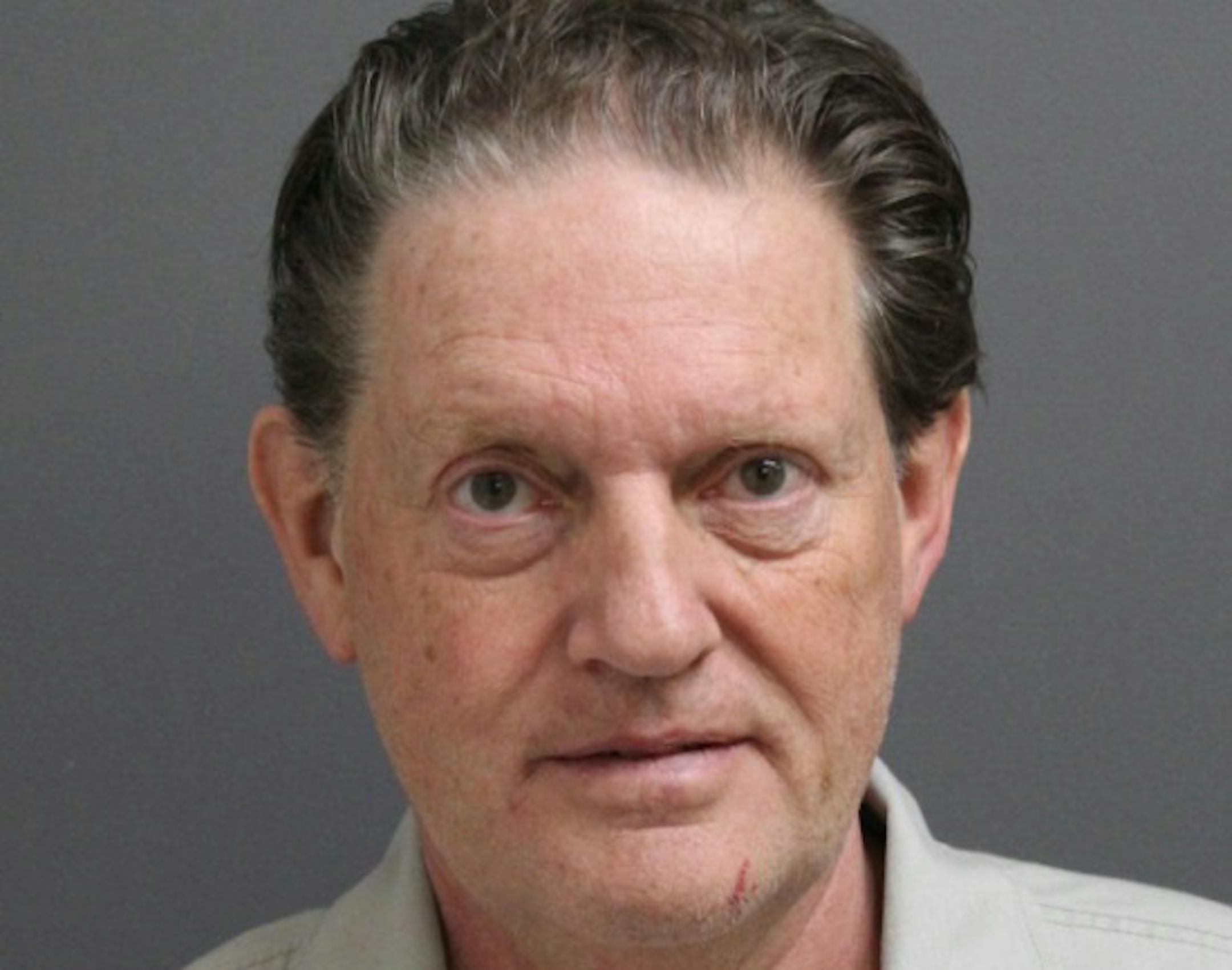
Little Falls, Minn. – Four months after deputies escorted him to prison for life for murdering two intruders, Byron Smith was back in court Tuesday to argue about the amount of restitution that he should pay the families of his victims.
Smith, who did not testify at his April trial, took the witness stand for about 15 minutes to explain what had been stolen in a series of burglaries at his home before the Thanksgiving Day 2012 shootings.
He cried, his jaw quivering, as he described his family building — the house that was burglarized on the Mississippi River. But he spoke calmly and precisely when he described the prior break-ins and his property losses. He did not testify about the day he killed 18-year-old Haile Kifer and 17-year-old Nick Brady, unarmed cousins who broke into his home through a window.
Smith claimed he was terrified after the prior break-ins and was defending himself and his property. Prosecutors contended that Smith coldly executed the teens as they descended his basement stairs about 10 minutes apart, continuing to shoot them after they were no longer a threat.
The case gained national attention, raising questions about how far a homeowner can go to defend himself and his property.
Tuesday, attorneys for Smith, a 66-year-old retired State Department employee, were in court to argue that because he wasn’t compensated for items that Brady stole from his house in previous burglaries, he shouldn’t have to pay $20,242 in requested restitution to Brady’s family for their funeral and other expenses. Smith is also contesting the $21,859 that Judge Douglas Anderson already ordered that he pay Kifer’s family.
A fund had been set up at a local bank for the two families, but family members testified that they hadn’t used it. Kifer’s mother said she understood they were going to make a donation somewhere in the teens’ names.
Smith is serving two life sentences for the killings and is now housed in Stillwater state prison. His attorneys are appealing his conviction.



![BRIAN PETERSON • brianp@startribune.com INTERNATIONAL FALLS, MN - January 31-Feb. 2nd ] The Arrowhead 135 Ultra Marathon, from International Falls to Tower Minnesota, follows the scenic and rugged Arrowhead State Snowmobile Trail and attracts some of the best ultra-athletes in the world. Competitiers can Bike, run or ski the 135 mile race that challenges the body and the mind and presents participants with some of the coldest conditions in ultra marathon racing. (IN THIS PHOTO) Being alone and c](https://arc.stimg.co/startribunemedia/TQBYYJEXPK7GJUOKY5IXJWD6I4.jpg?&w=252&ar=3:2&fit=crop)