

BOONE, IOWA
Dick Thompson stands on the edge of the concrete manure pit he built in his field, a high point here in the middle of Iowa, and gestures toward the piles.
Against the far wall is a contribution from the nearby town of Boone -- human bio solids that Thompson uses as fertilizer along with the manure he collects from his own hogs and cattle, some still steaming in the cold November air.
"What comes from the land," he says with a glint in his eye, "should be returned to the land."
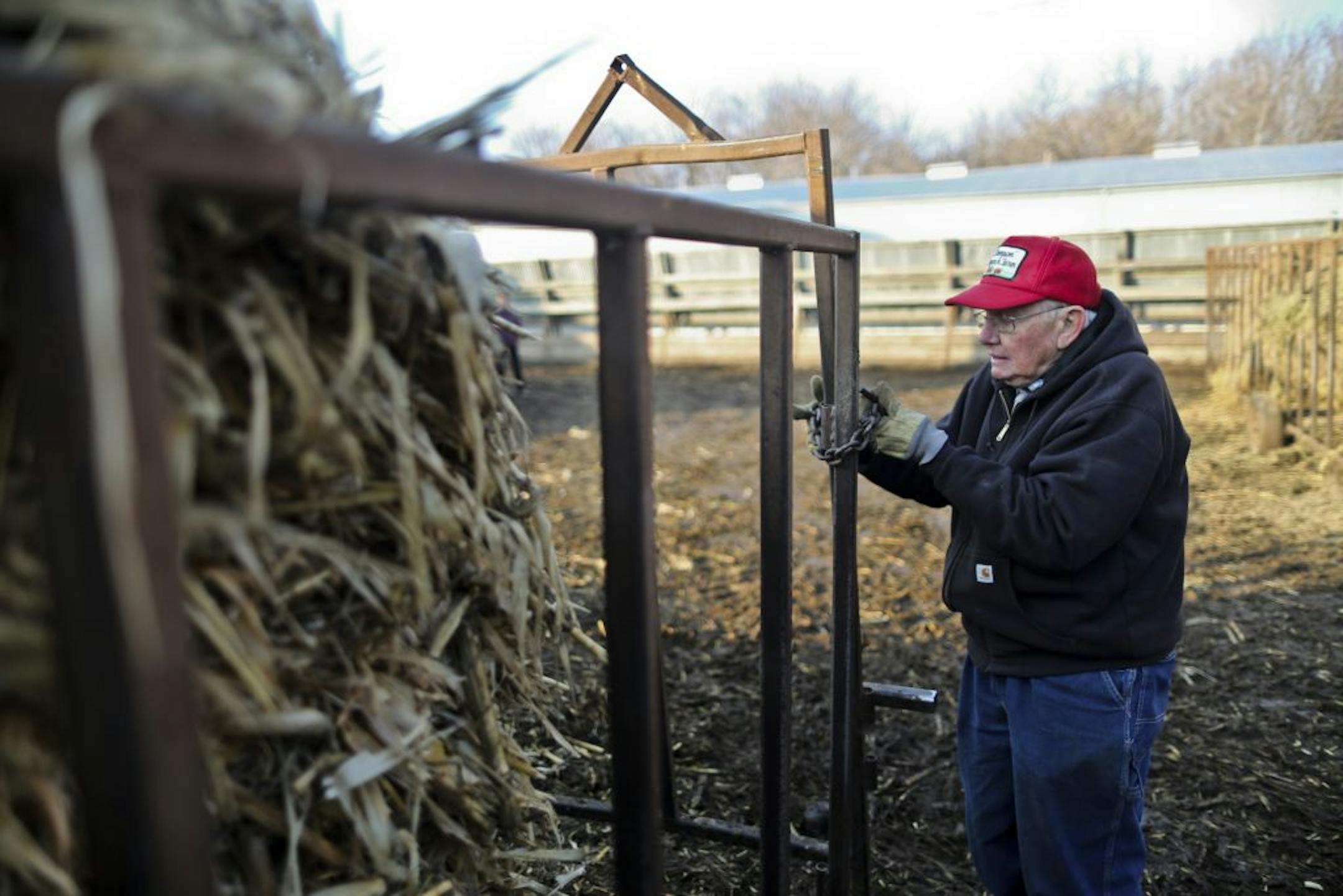
Thompson, 81, doesn't farm like his neighbors. But his 300 acres have become a destination for farmers and scientists from around the world who come to witness something exceedingly rare in the Midwestern corn belt -- a diversified farm.
By working with nature rather than against it, Thompson has carved out a middle ground between the extremes of organic purism and the chemically intensive agriculture that is the norm in the Midwest. In so doing, agronomists say, he is modeling a kind of sustainable farming that could show a way forward in the divisive debate around the loss of the prairie, global food demand and agriculture's impact on land and water.
The prairie -- an ecosystem on a par with the rainforest and a terrain that kept water clean and built the rich soils of the corn belt -- is long gone. But scientists say that more farms like Thompson's could do much to replicate those same valuable ecological services that the natural landscape once provided.
Agricultural researchers have now put a decade's worth of numbers to Thompson's style of farming, one that is not organic but has succeeded with minimal use of pesticides and fertilizers. They found that it's just as profitable and just as productive, if not more so, than relying on chemicals and genetic technology. Plus, over time, it's 200 times less toxic to water.


