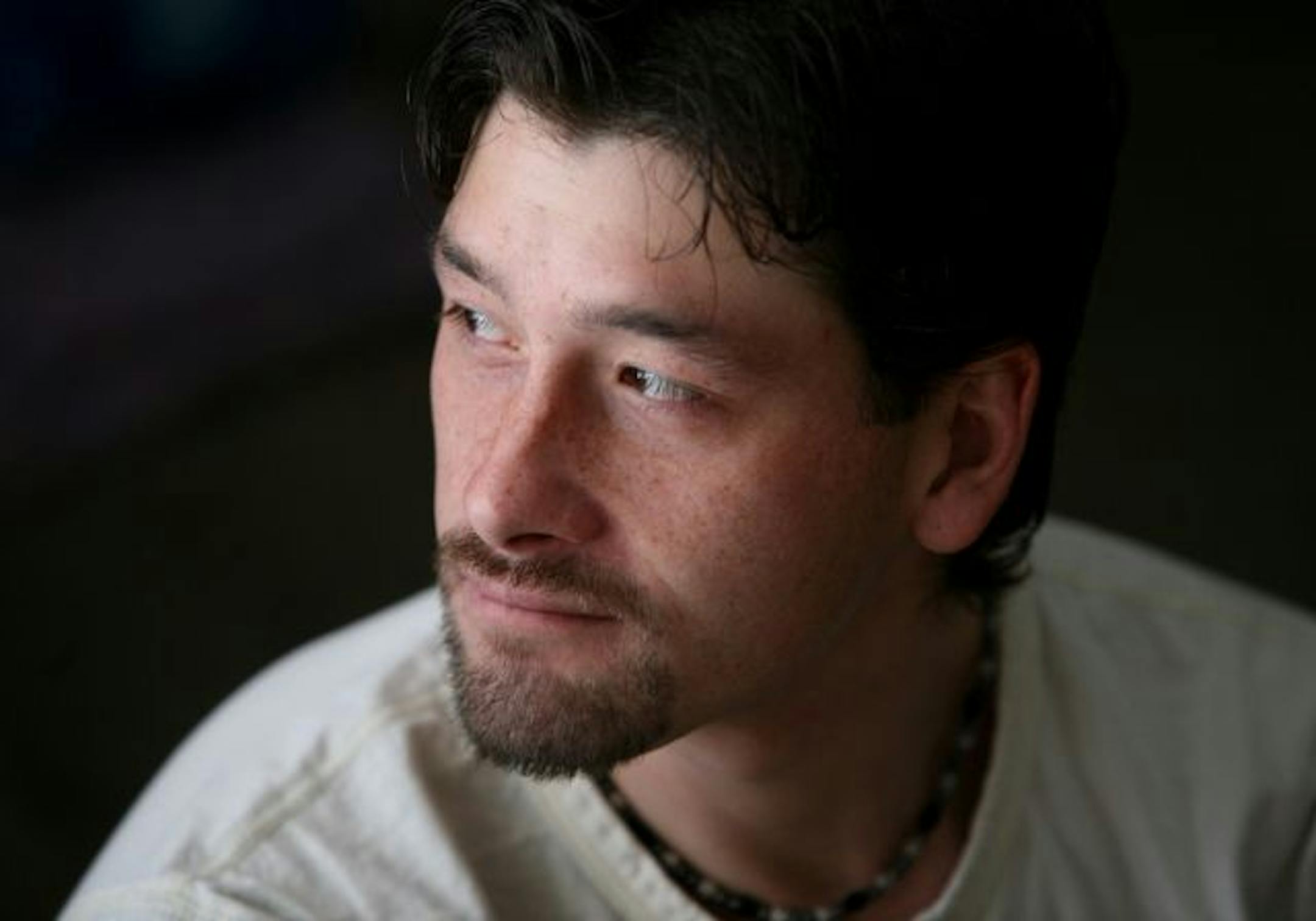
For 25 years, Mike Blair drank "from sunup to sundown" nearly every day. He didn't find a way out until his fourth drunken driving arrest, in 2006.
Blair was sitting in a Ramsey County jail cell when he was offered a choice: He could spend another six months in jail and lose his license for a year, or he could enroll in DWI Court, an intense program aimed at changing the behavior of drunken drivers.
It was a risky proposition. Blair would have to remain sober for at least 13 months and live under almost constant supervision. If he quit, he faced a year in jail. But if he followed through, he could get by with just 17 days of community service -- chores like picking up garbage on the street.
"This seemed like a better alternative to what I was doing. ... They saved my life," said Blair, 54.
The problem of dealing with repeat offenders has frustrated prosecutors for decades, but two Minnesota counties -- Anoka and Ramsey -- are finding it is often more productive to focus on the drinking habits that cause trouble on the road.
Among counties with populations of at least 100,000, Anoka and Ramsey posted the largest declines in alcohol-related crashes from 2000 to 2008, according to a Star Tribune analysis. Over that period, the number of alcohol-related crashes dropped from 697 to 429 in Ramsey, while Anoka had 100 fewer crashes.
In recent years, both counties also developed task forces that deploy saturation patrols in specific neighborhoods.
"Everybody knows if you get a DWI in Anoka County, the courts are going to hammer you," said Sharon Gehrman-Driscoll, a longtime DWI victims advocate. "Whatever they've done to put the fear of God in people, it's working."