

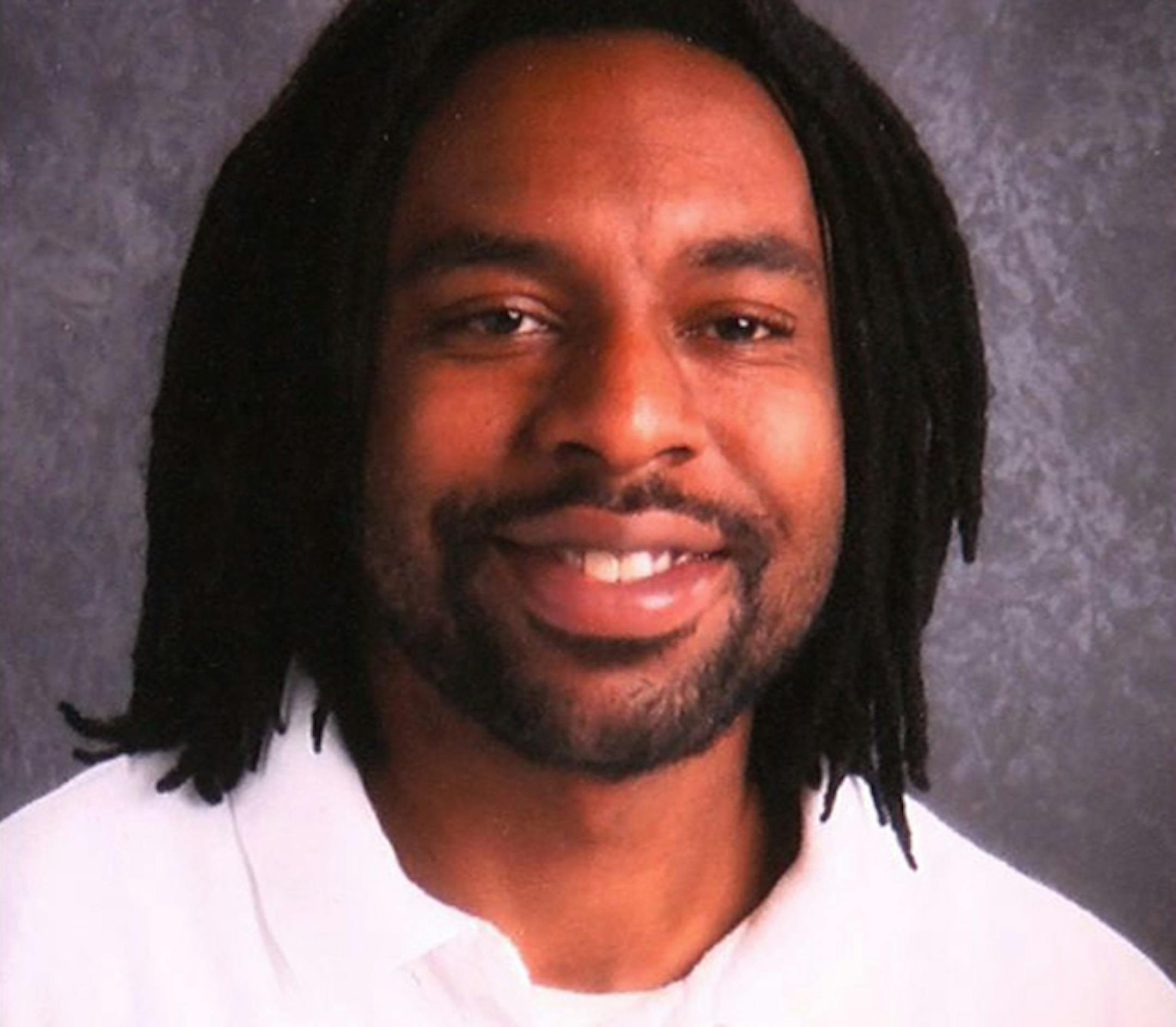
More than 100 people came out Thursday night in Falcon Heights to hear community leaders and residents talk about how they can help change policing tactics in the wake of the July 6 shooting death of Philando Castile.
The four-member panel, along with moderator Sarah Greenman, an assistant professor of criminology and criminal justice at Hamline University, included Melvin Carter Jr., a retired St. Paul police sergeant and founder of Save Our Sons, a group that works with at-risk young black men; former state Rep. Mindy Greiling, who talked about a Roseville-Area League of Women Voters report on policing; Teresa Nelson, legal director of the American Civil Liberties Union of Minnesota, and Jeff Martin, president of the St. Paul NAACP.
All agreed that police, not only in Falcon Heights, but across the Twin Cities and the state, need to collect more data, re-emphasize implicit bias and de-escalation training, and determine just how much priority to give low-level offenses such as vehicle equipment violations.
After each panel member talked for 10 minutes about their life, their work and their reports, residents had a chance to ask questions.
"Why does there need to be training to teach [police officers] not to shoot black people when they don't need training not to shoot white people?" one young black man asked.
"It's about the people we hire," Carter responded. In his day, he said, officers often patrolled the neighborhoods where they grew up. Now departments hire officers from far away, almost like the NFL.
"We have to abandon this 'us against them' mentality," he said earlier in the evening. "The trust is deteriorating. ... If there's no trust, it's not community policing at all."
Greiling talked about a League of Women Voters study done two years ago that looked at policing issues in five cities: Maplewood and Roseville, which have their own departments, Little Canada, which is patrolled by the Ramsey County Sheriff's Office, and Falcon Heights and Lauderdale, patrolled by St. Anthony.


