According to the Oxford English Dictionary, the English language contains at least a quarter of a million words.
So what's one word worth?
In the case of "coup," the price tag could be up to $1.55 billion.
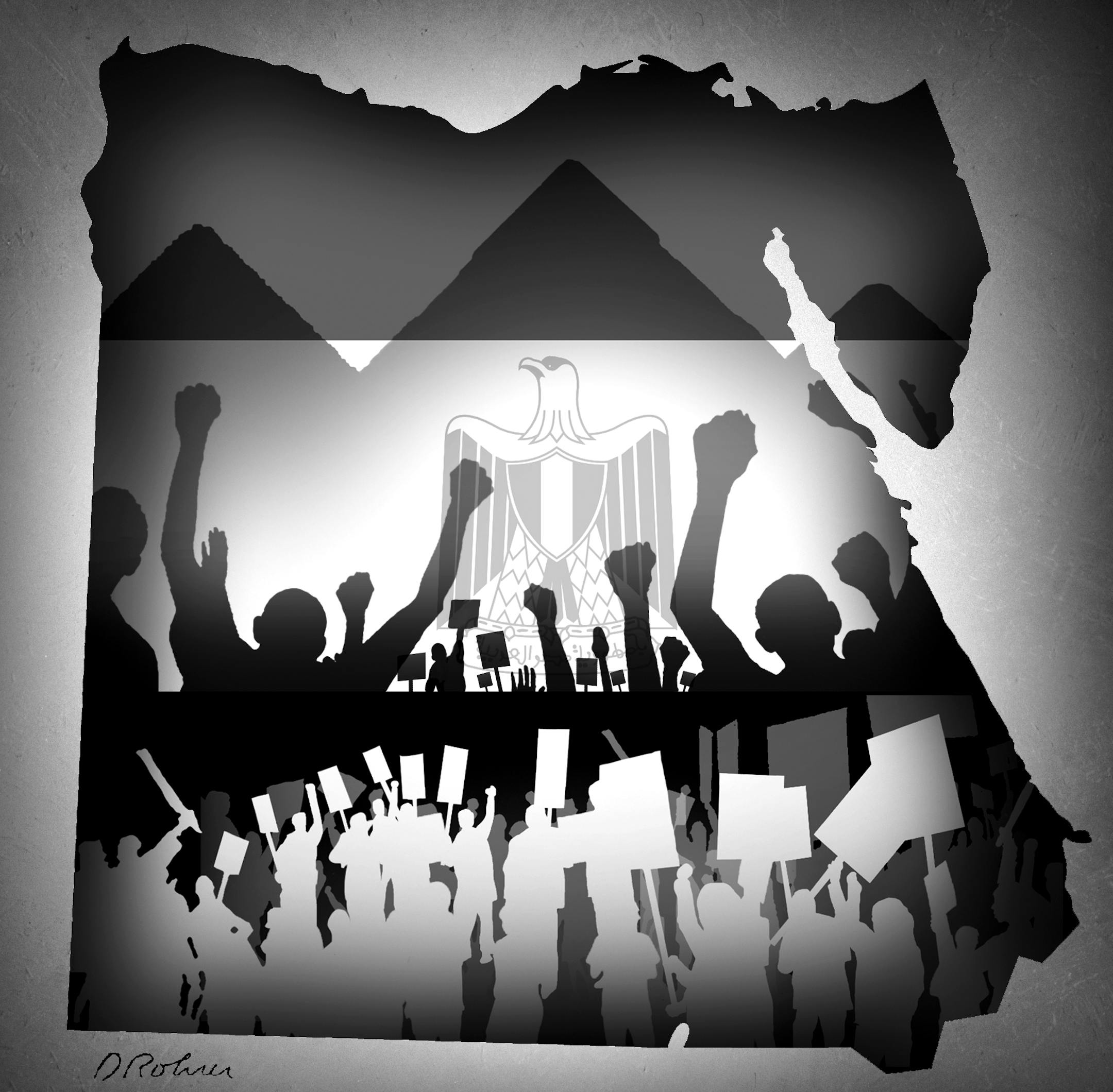
That's the amount of U.S. aid to Egypt, where President Mohammed Morsi was recently removed from power.
For Egypt — the focus of this month's Minnesota International Center's "Great Decisions" dialogue — whether Washington calls Morsi's downfall a coup isn't semantic, but seminal. That's because the Foreign Assistance Act states that no U.S. aid (besides democracy promotion) can go to "any country whose duly elected head of government is deposed by military coup d'etat" or where "the military plays a decisive role in a coup."
There may be reasons the Obama administration has eschewed "coup" to describe Morsi's removal. The administration may agree with Egyptian Ambassador Mohamed Tawfik, who told Foreign Policy magazine that "it's not a coup because the military did not take power. The military did not initiate it. It was a popular uprising. The military stepped in order to avoid violence."
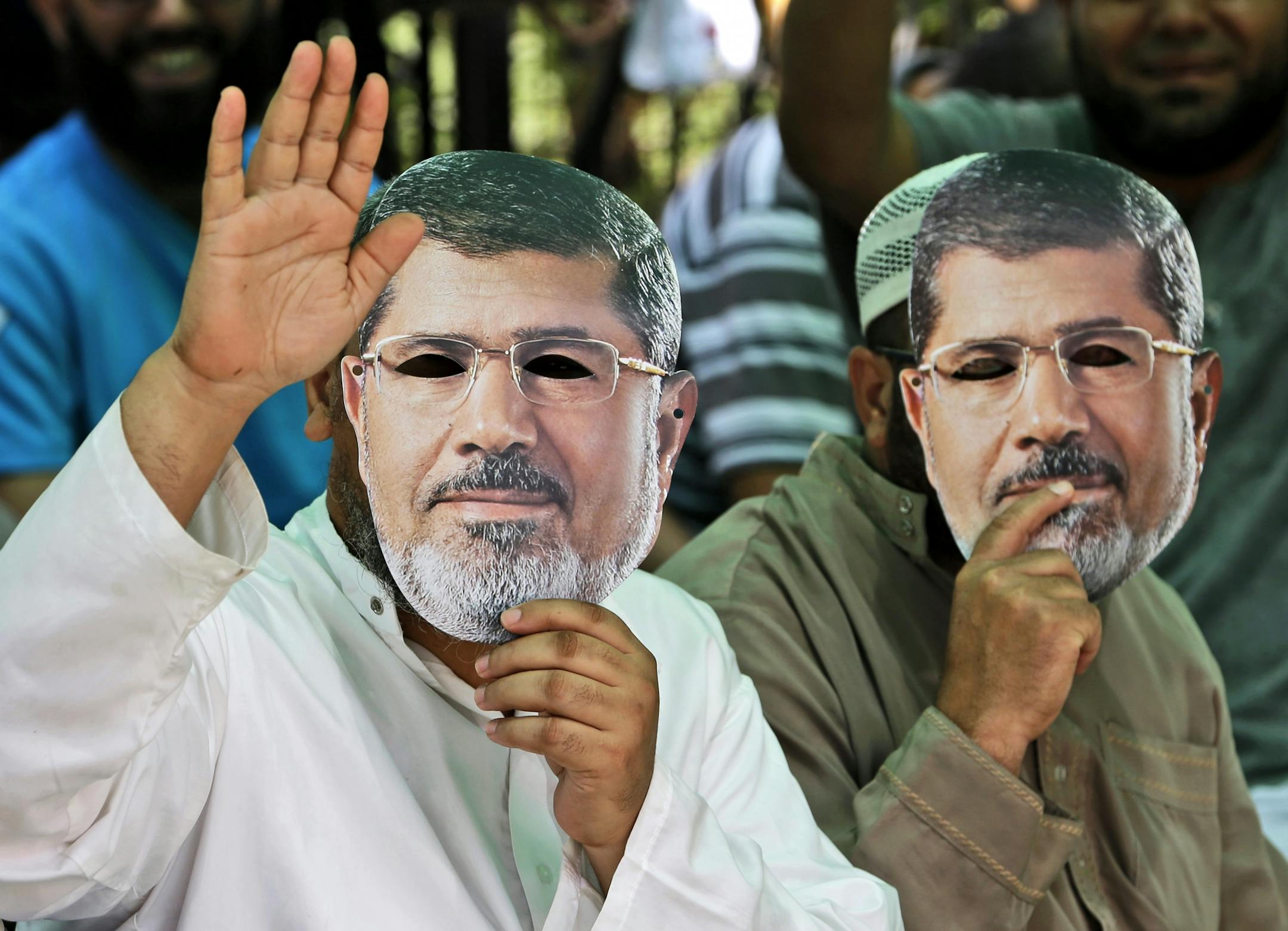
Of course, violence wasn't avoided, and some of it involved the military. Dozens of Morsi's supporters have been killed.
It seems more likely that President Obama is obfuscating on linguistics because he calculates that cutting off aid cuts off influence with the Egyptian military, which is more aligned with U.S. interests than is Morsi's Muslim Brotherhood.