

Step away from the sous-vide machine and microwave. It's time to embrace the casserole, that oven-baked creation, and give it the respect it deserves.
Its legacy is rich, having sustained humans for centuries — no, not the green bean casserole your grandma made in the '60s, but some of the culinary world's greatest hits: the pork, sausage and bean cassoulet from France, eggplant and lamb moussaka from Greece and that curly pasta, cheese and sauce lasagna from Italy.
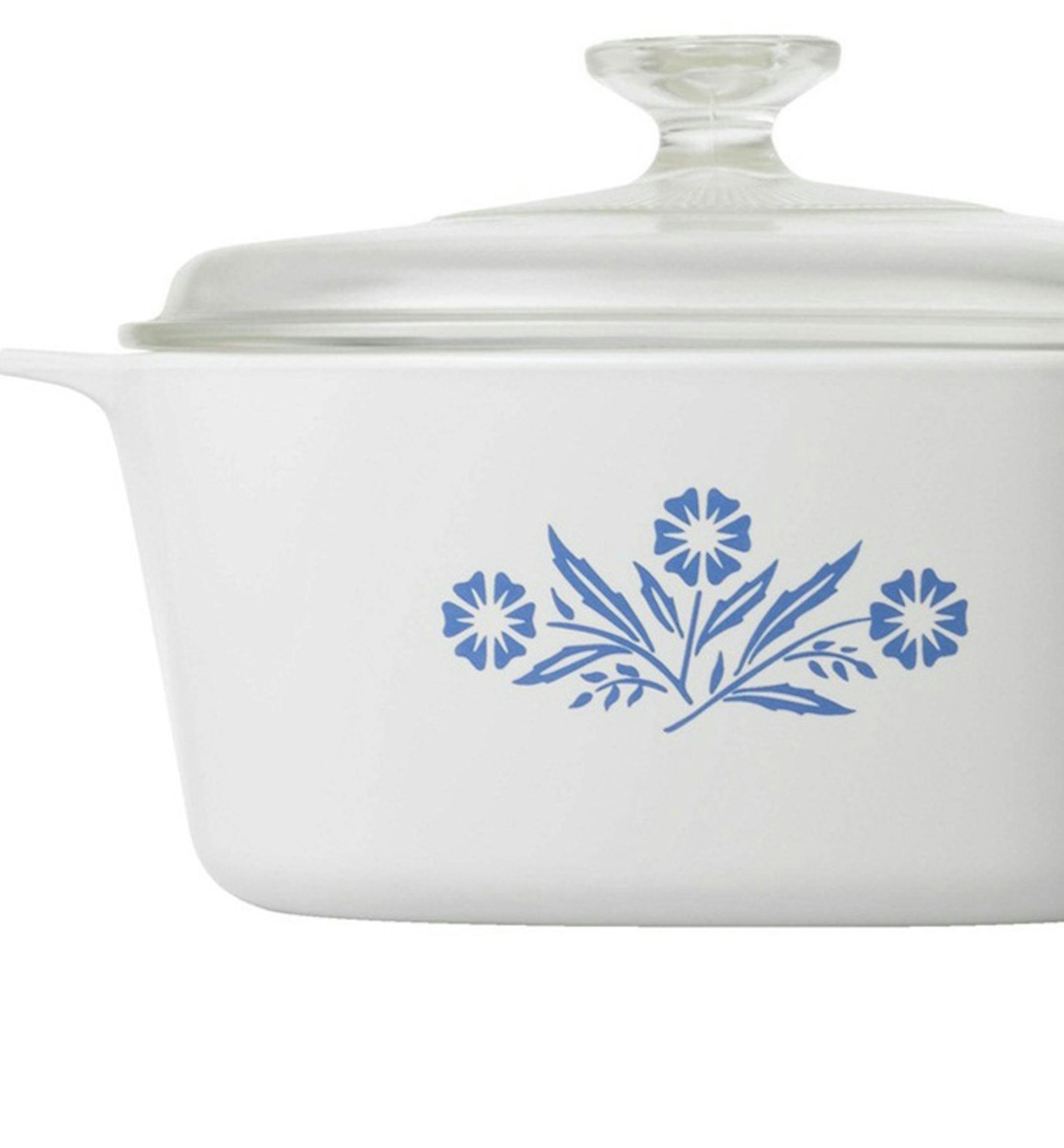
They may not be called casseroles, but they are. That, perhaps, is where the confusion comes in, for the word casserole refers not only to a prepared dish but to the cooking vessel as well.
"There are two histories of casseroles. There's a medieval history and the modern history. The modern history really begins in America," says Clifford A. Wright, author of "Bake Until Bubbly: The Ultimate Casserole Cookbook" and "Hot & Cheesy."
"Casserole, the cooking vessel, which we usually think of as being rectangular and ceramic, really began to take off in the late 19th century," Wright says. That was thanks to various potteries that were producing a variety of ceramic casseroles that worked well in ovens, coinciding with a time when in-home ovens were becoming more common in the United States.
Their history reflects our history, helping us stretch foods during tough times (world wars, economic depressions) and incorporating scientific advances (ceramic bakeware, canned foods, frozen foods), Wright notes. They joined us at potlucks and church suppers. Every region in the country has one. They show up in movies, TV shows and on YouTube in musical homages. Many have colorful names: Strata. Supper. Supremes. Delights. Hot dish. "There's one called ham medley," Wright says. "It's made of chicken on the bone, with onion, béchamel sauce, ham and Swiss cheese."
He remembers a casserole his mother made in the '50s. "It was the simplest thing in the world. It was just frankfurters, beer and sauerkraut."
Casseroles proved to be time savers, versatile and very economical for home cooks. Yet, Wright points out, in all those early 20th-century cookbooks or magazines, deliciousness or taste was never an issue as long as you got it on the table quickly. "Taste didn't matter because it wasn't about taste. Now they're starting to have a good name because people are starting to pay a lot more attention to food."


