By JOHN F. BURNS New York Times
AILSA CRAIG, SCOTLAND
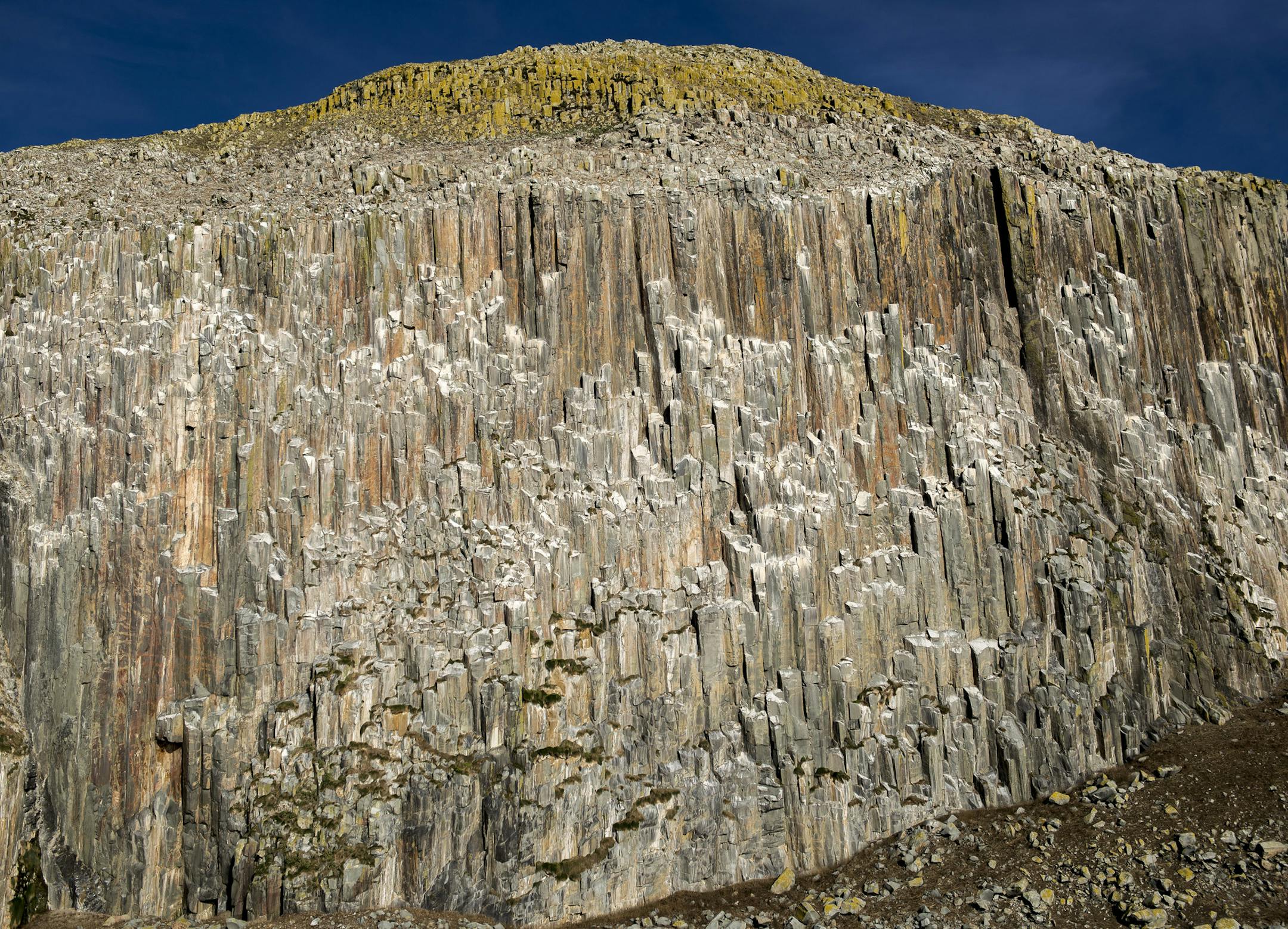
This stunning volcanic island has been part of Scottish legend for a thousand years, its sugarloaf profile decorating Scottish bank notes and memorialized in a Keats sonnet.
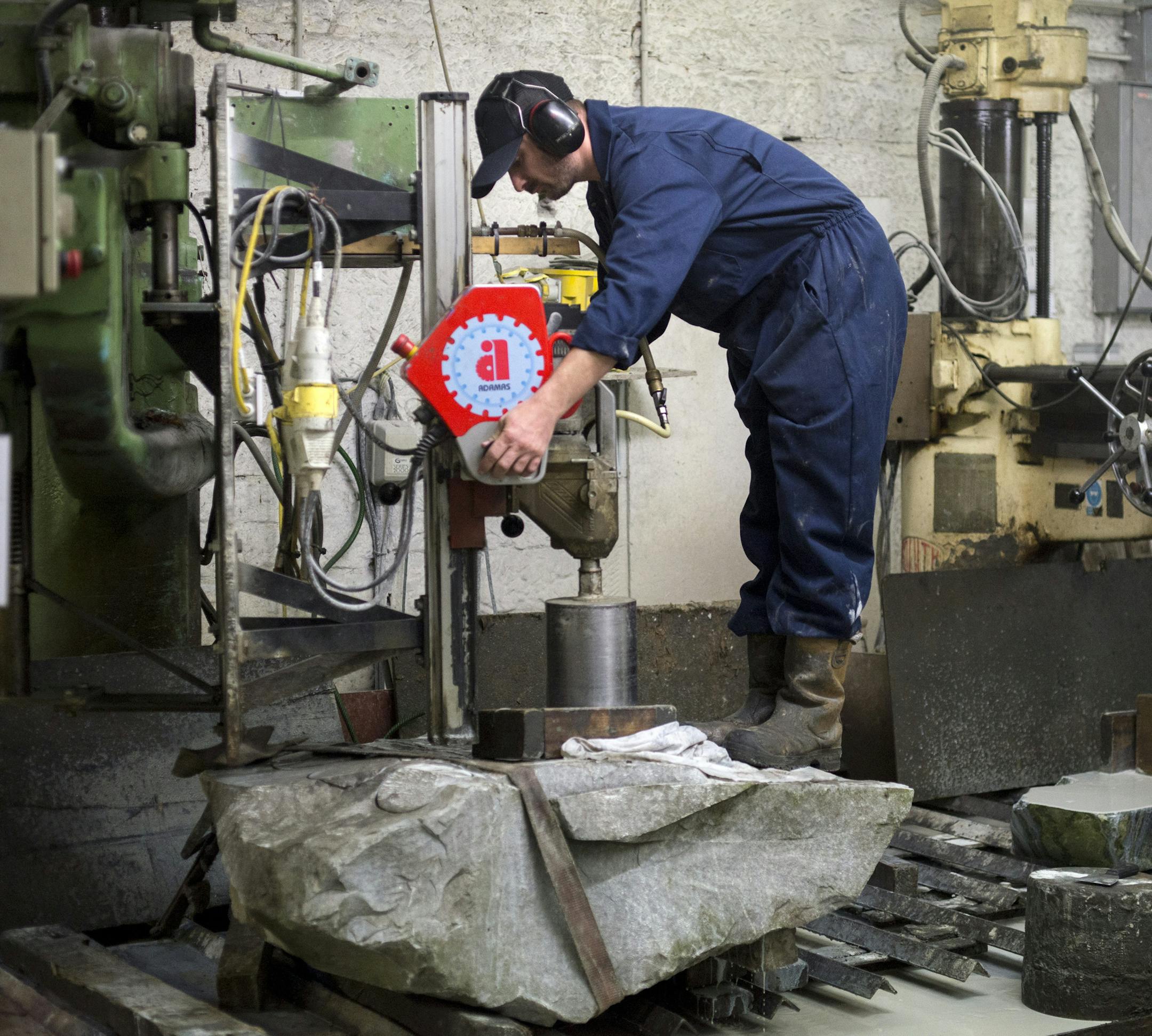
It has no inhabitants, no electricity, no fresh water and no arable land — nothing of value, it would seem, but for this: For a century and more, its quarries have been the source of the distinctive, water-resistant microgranite used to make most of the world's curling stones. These include all those used in recent world championships and every Olympics since 1924, including the Sochi Games that begin in February.
But the modest income from the quarrying of the island's prized strains of blue hone and common green and a lease granted to Britain's Royal Society for the Protection of Birds has taxed the dwindling resources of its owner, the eighth Marquess of Ailsa, whose family has owned the island for 500 years.
Like many of Britain's old landowning families, the marquess's family has been through decades of retrenchment as a result of inheritance taxes. It lost the family seat, Culzean Castle, to the National Trust in 1945, and in 2010 the current marquess decided to part with Ailsa Craig, posting an initial price of $4 million. That figure was later cut to $2.4 million, and as the waters of the Firth of Clyde have lapped at Ailsa Craig's rocky shore each day, little has changed in the intervening years. The island remains misty, monumental and for sale.
When Keats first saw the island soaring 1,100 feet into the sky off Scotland's west coast in 1818, he repaired to a mainland inn and wrote a sonnet by candlelight describing it as a "craggy ocean-pyramid," summoned from the deep by some mythic power, and attended for eternity by eagles and whales. Nearly 200 years later, with Scotland approaching a referendum on independence from Britain in September, it remains an icon in the country's national consciousness, redolent of the rugged, stand-alone character many Scots pride as their birthright.
This month, approaching across 10 miles of shimmering open sea aboard his 35-foot lobster boat, the M.V. Glorious, the skipper, Mark McCrindle, broke the silence of his cramped wheelhouse to say that in 30 years of plying the waters from the nearby port of Girvan, he had rarely seen it looking more majestic. "Aye," he said, "she's a beauty." Would he like to own it? "Twenty thousand pounds is all I'd pay," he said, quickly adding, "What would I do with it?"