She was a young woman then, and they were heady times in Havana. President Fulgencio Batista was gone, and a charismatic new leader promised Cuba a new start.
The day the revolutionary soldiers rode through the city, the newspaper published notice that Dalia Katz had passed her board exams to become a certified public accountant. She had married a man who served on the team of the most prominent surgeon in the country, so their futures seemed bright. Giddy with excitement, Katz and her family went down to the street to watch the victorious rebels roll in.
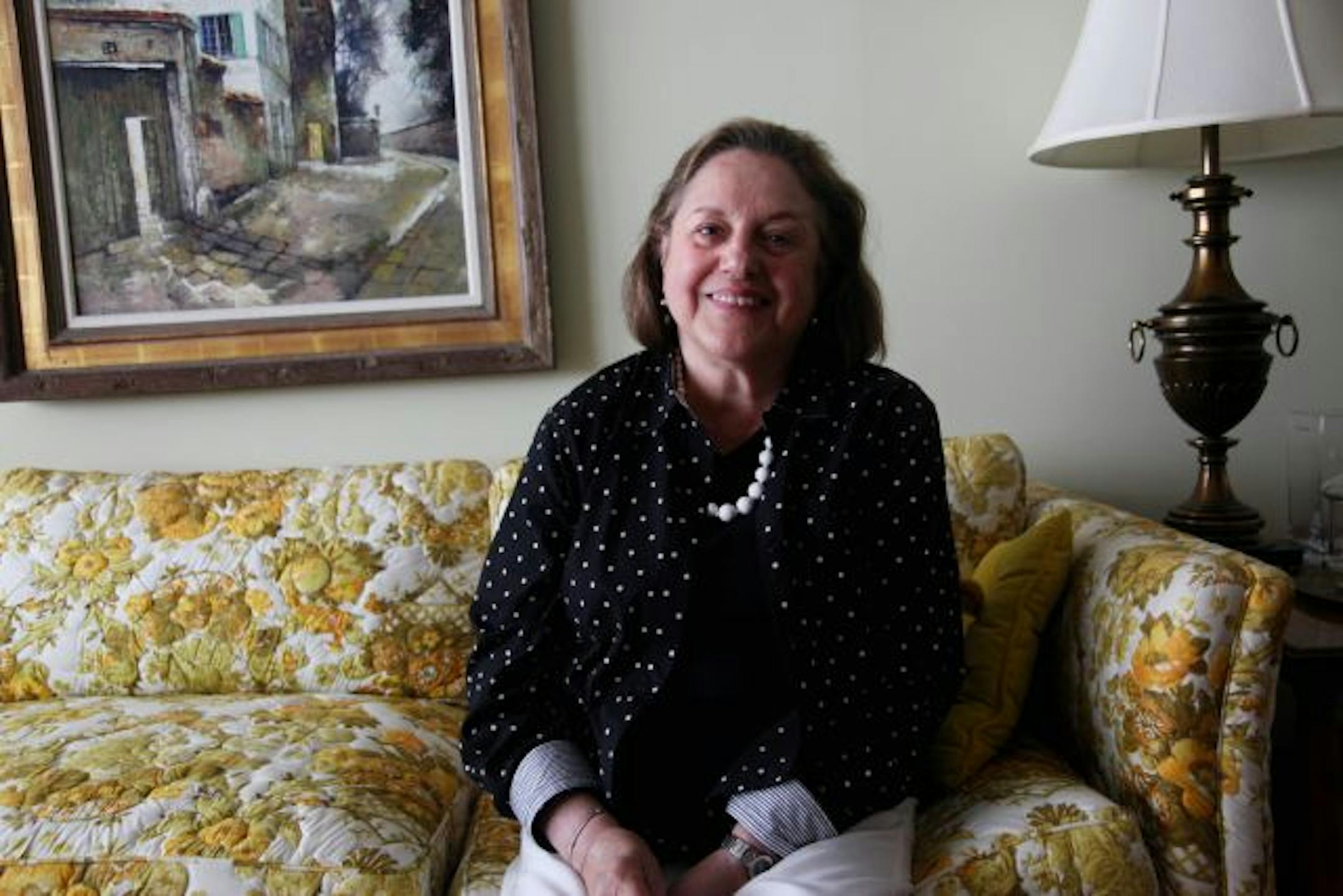
"That's when my dad had doubts," Katz said, sitting at the dining room table in her Edina condominium. "He said something doesn't look right. It was supposed to be a revolution of the campesinos. Well, he had lived among farmers, and these men didn't look like the people he knew."
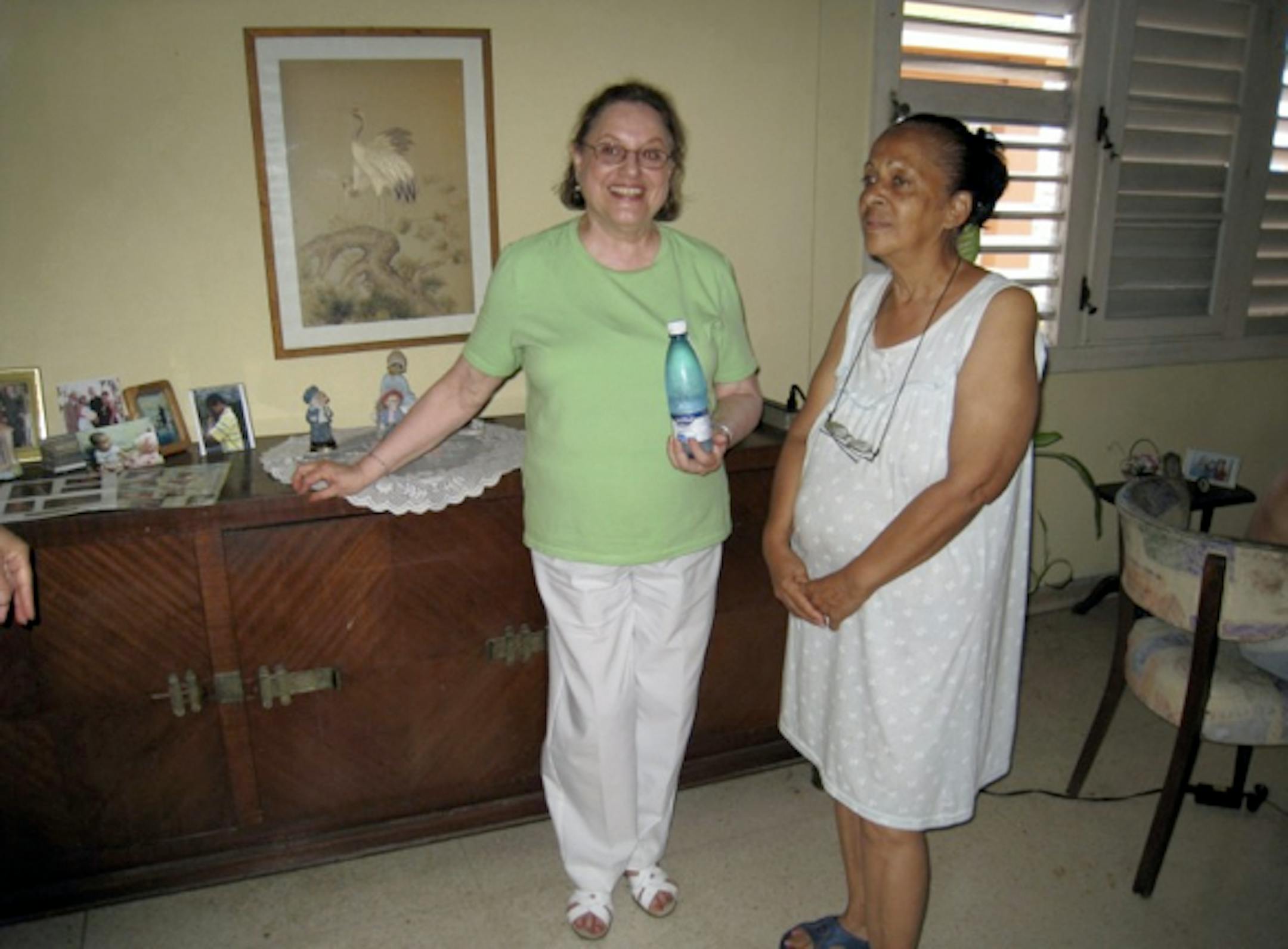
That subtle observation triggered a momentous change for Katz, now 74, and her family, a 50-year journey that came full circle recently when Katz went back to Cuba with other members of her St. Louis Park synagogue and found a startling piece of her life, preserved like a museum exhibit.
Within months of the revolution, Fidel Castro declared Katz's CPA certificate invalid, "to make us all equal." Newspapers and television stations were nationalized, and all news was cleared by the government. A relative lost his business, and Katz's father, a Polish immigrant who owned a button factory, gave it up to his employees.
The Castro regime was still in its early days when the dictator's son, Fidelito, was injured in a serious accident. Dalia Katz's husband, Beni, was told to rush to the hospital and he spent hours helping remove Fidelito's spleen.
Later, Castro recognized Beni at a restaurant and gave him a hug. "We kind of rolled our eyes," Katz said. "We knew by then we were leaving."
In 1960, they did.