

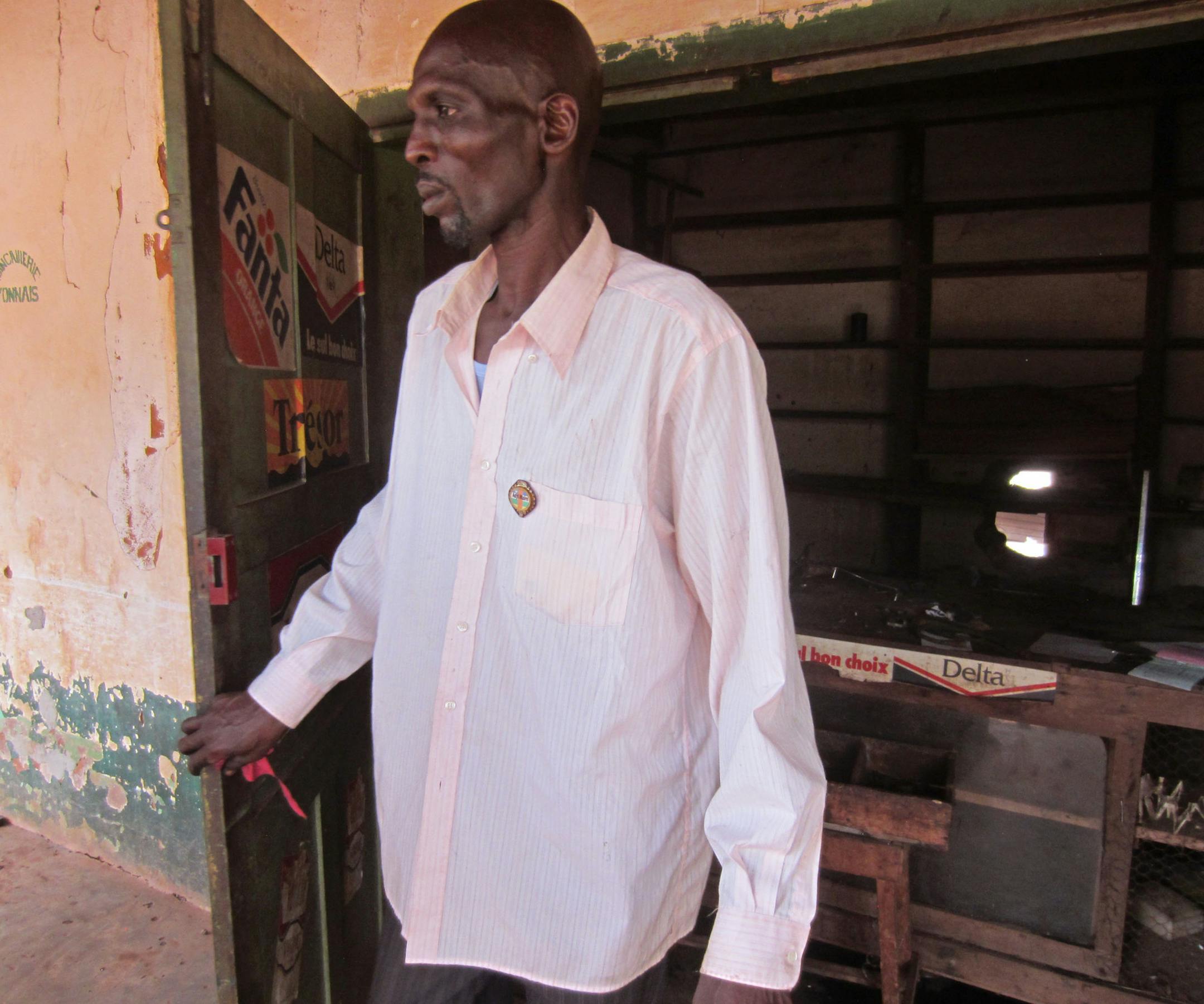
MBAIKI, Central African Republic – The swarm of people showed up on their deputy mayor's doorstep late on a Friday morning, just before the time of the Muslim prayers.
By then, it no longer mattered that he was the deputy mayor. It didn't matter that the mayor called him a brother, or that his family had lived in Mbaiki for almost a century. It didn't even matter that his wife was pregnant. It mattered only that he was Muslim.
The fate of Saleh Dido shows how far the violence in the Central African Republic has gone, redefining who belongs here by their religion alone. It poses a deeply troubling question in a nation where hundreds of Muslims have been killed in just a few months: If even a prominent local official interviewed by a prominent Western aid group could not be saved in his hometown, who can?
No police officer tried to stop the attack on Dido. No resident helped him as he ran to escape. By the time the peacekeepers arrived, it was too late.
"Dido's killing is a stain on the world's moral conscience," said Joanne Mariner, a senior crisis adviser with Amnesty International who had spoken with him. "It's terribly disappointing that the community — including his neighbors — didn't protect him."
Mariner noted that many Christians who have tried to help Muslims were threatened themselves, and that Dido trusted the international community to protect him. But nobody did.
Mbaiki is a small town 60 miles south of the capital of Central African Republic, a country of 4.6 million people torn apart by intercommunal violence since early December.
Family here for generations
Dido's family had lived in Mbaiki for generations, part of a Muslim minority in Central African Republic of about 15 percent. However, his ancestors hailed from Chad to the north — sharing the same roots as the Muslim rebels who overthrew the country's government in March last year.


