The air was so still it was almost eerie.
Guided by the light of the moon and our curiosity for whatever was out there, my travel companions and I dropped our sandals and clothes on the dark beach and, in our swimwear, waded out into Gulf of Thailand.
We flung our arms and legs at the surf. We tried to churn the waves and stir them to life.
Then, suddenly: The beings were awake, and the darkness was broken, too. Millions of the tiny glowing plankton surrounded us. They clung to our legs and arms and we waded deeper, covering our bodies with mobile, shimmering suits. They lit up the water in bursts of white-blue luminance like a sea full of lightning bugs — the kind of natural light show we'd read about.
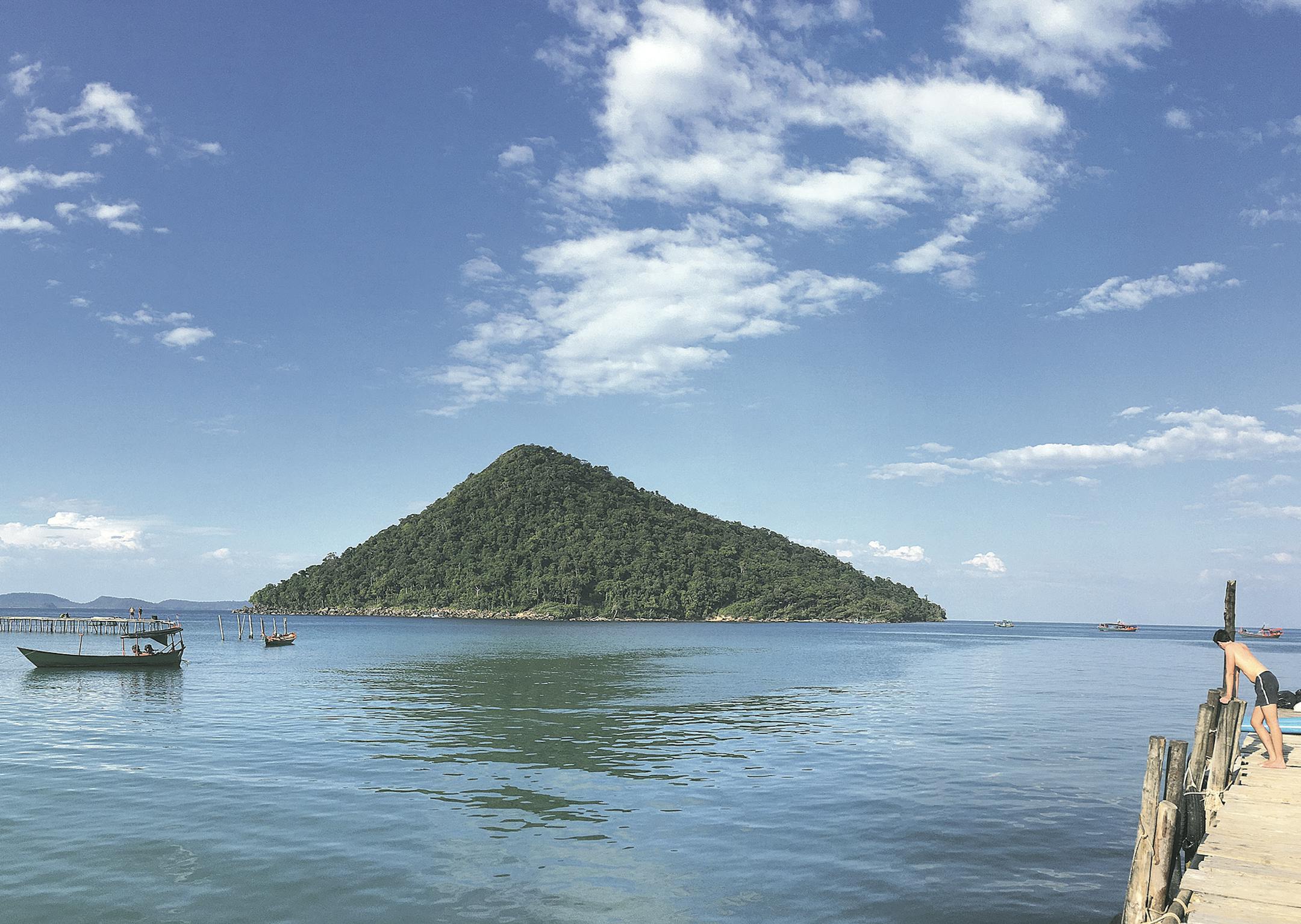
After a trek across crowded, tourist-filled Thailand, this felt like the perfect antidote. On the edge of a quiet fishing village on a Cambodian island, we splashed and heard our own shrieks and laughter echo along the jungle coast.
We felt lost, stranded. In the best way possible. Later, though, we would find that freedom came with the messy side effects of going off the grid.
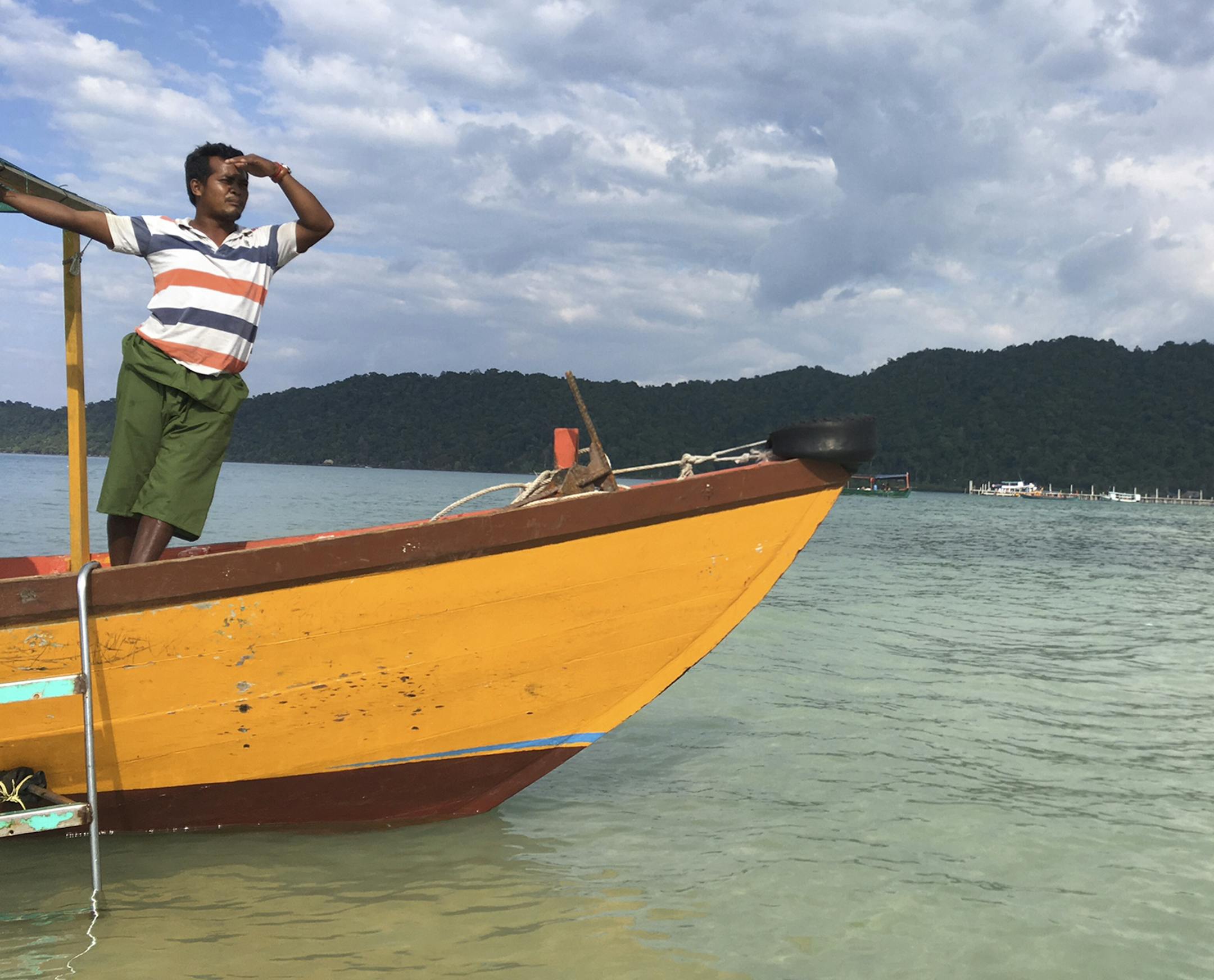
The day had begun in Siem Reap. After two days in the charming city, my Belgian travel partner Mel and I flew to Sihanoukville, an emerging beachside paradise on Cambodia's coast. Once there, we spontaneously hopped a ferry to Koh Rong Sanloem, the smaller of two nearby islands.
The boat dropped us off at Saracen Bay, a resort-line beach that has been quietly gaining steam as an off-the-beaten path retreat. But there was another option — M'Pai Bay, a fishing village farther down the shore. This was the true escape, a ferry worker had told us. We were in. A pair of Australian travelers whom we'd met while boarding our plane from Siem Reap decided to come along.