Katherine Moseby wanted to be clear: She does not hate cats. “They’re a wily beast,” she said, as her truck rumbled down a desert road. “But I respect them. They’re pretty incredible animals. Amazing hunters. Very smart.”
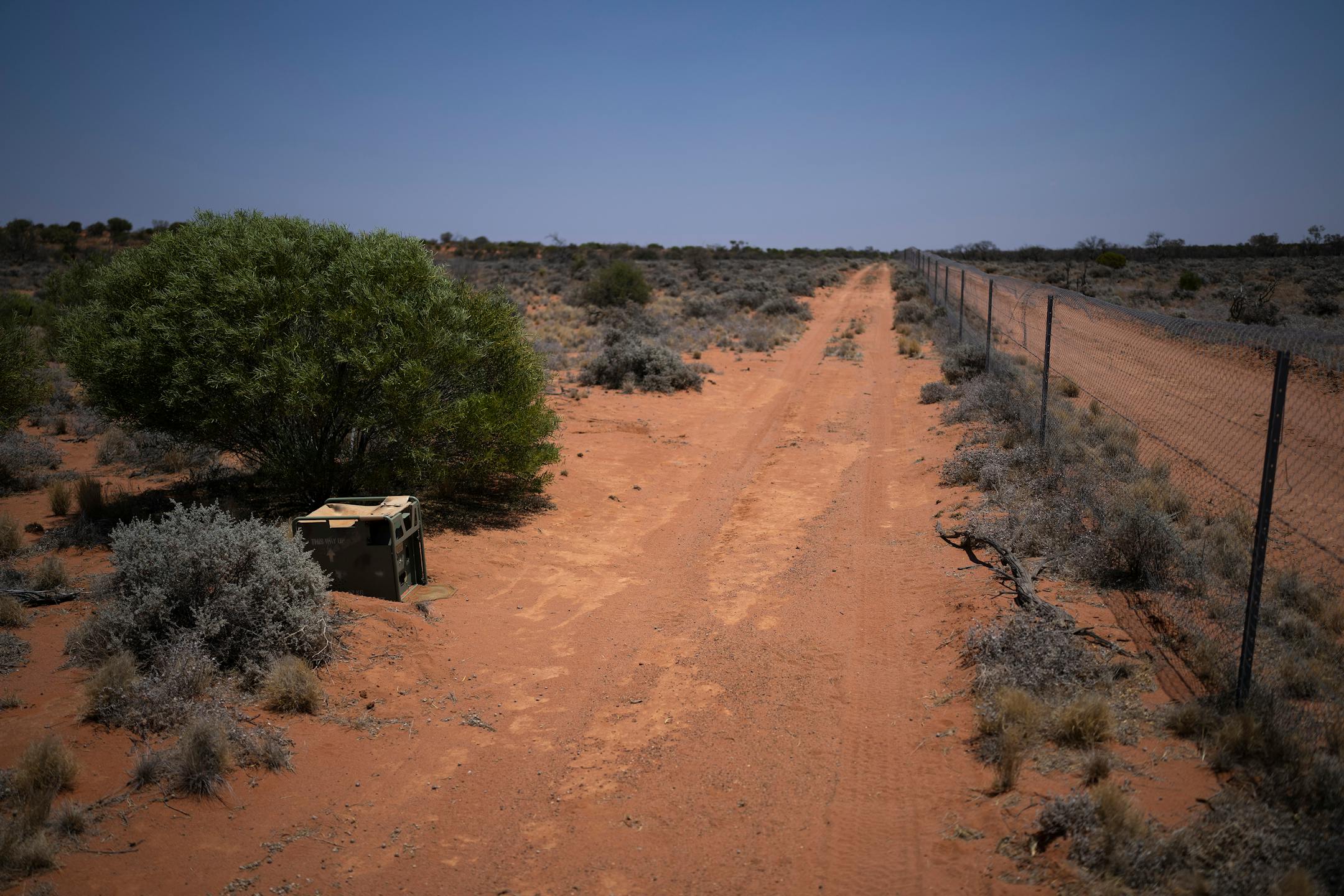
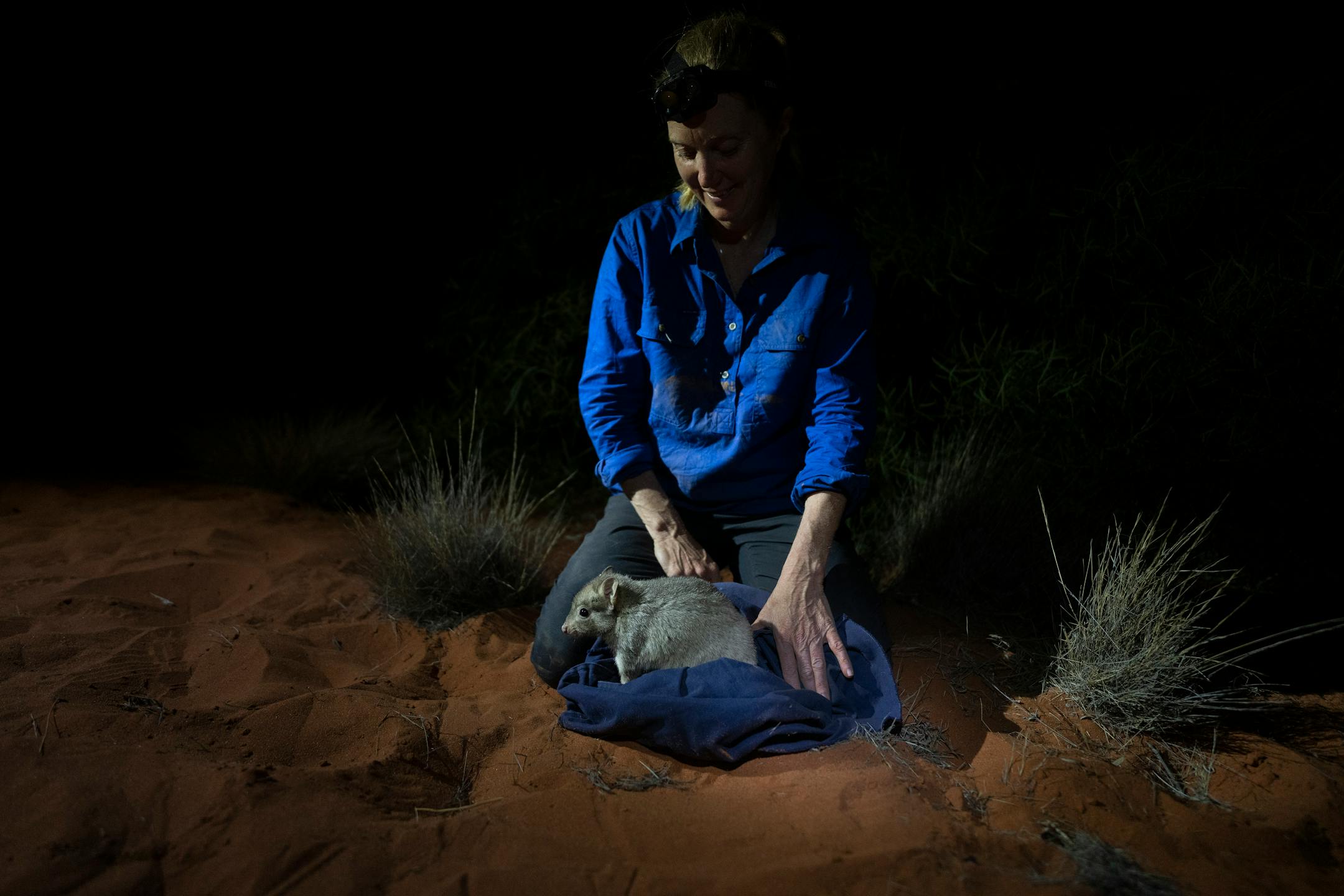
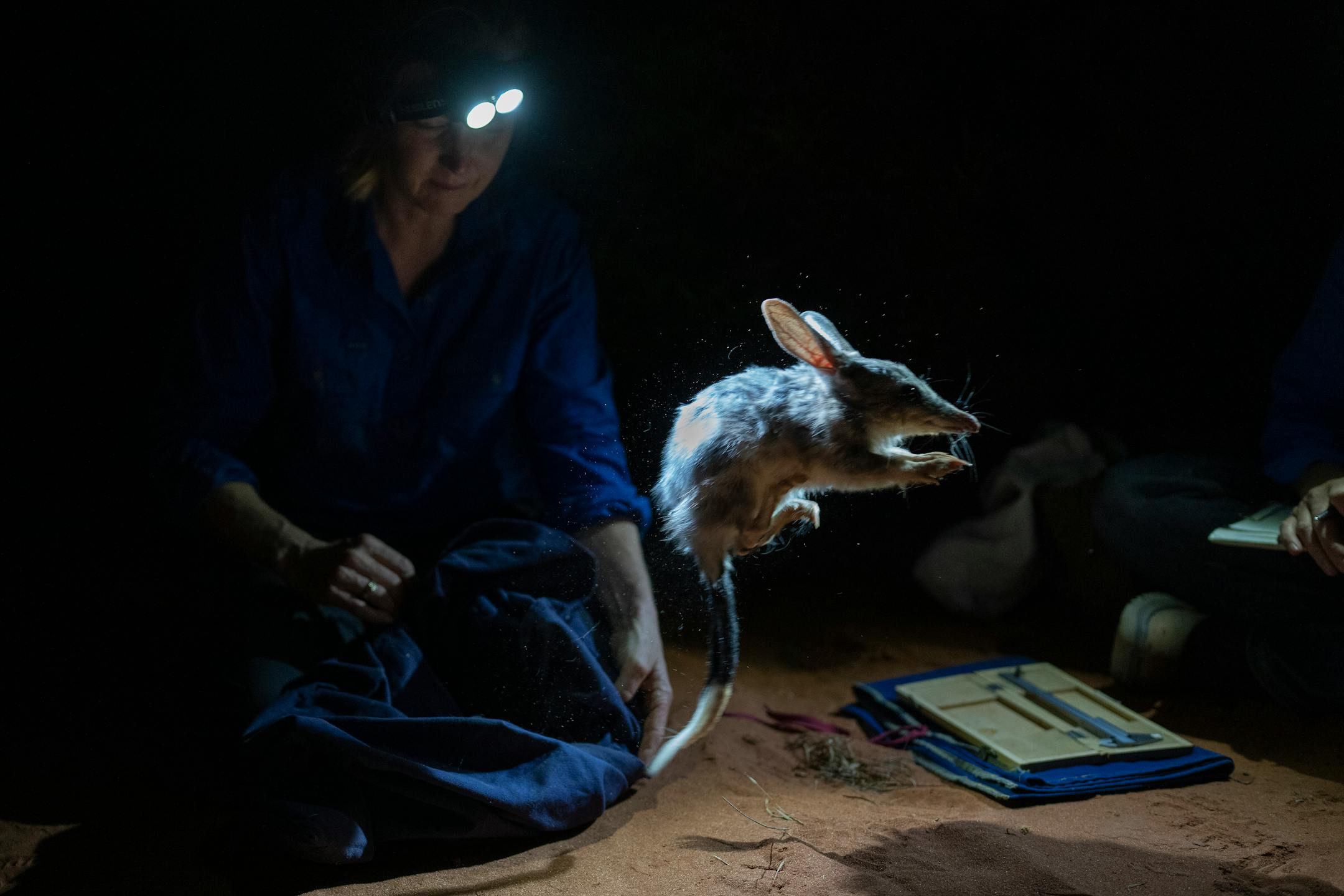
That was precisely the problem, said Moseby, the principal scientist and co-founder of Arid Recovery, a conservation nonprofit and wildlife reserve in South Australia. Cats are not native to Australia, but they have invaded nearly every corner of the country. She gestured out the window at the dusty, red expanse, which bore few signs of life. But feral cats were absolutely out there, Moseby said, and they had a taste for the tiny, threatened marsupials that lived at Arid Recovery.
Even with extensive fencing, keeping the cats at bay requires constant vigilance. Over the previous few nights, a pest control contractor — a robustly bearded sharpshooter equipped with an all-terrain vehicle and powerful spotlight — had been riding through the Arid Recovery reserve, shooting cats.
When Moseby, who is also a researcher at the University of New South Wales, pulled up to the Arid Recovery office a few minutes later, she made her way to a small outbuilding to check on the shooter’s progress. A line of red droplets led down the stone path. “Fresh blood trail’s a good sign,” she said, before pushing open the door.
Inside, the carcasses of more than a dozen cats were piled in a large, shallow tub. The shooter was responsible for four of them, Moseby said, looking over the animals. The others had been caught over the preceding weeks and were being stored until researchers could examine the contents of their stomachs.
It was a scene to make most any cat lover squeamish, and Moseby, who grew up with pet cats, once would have been “outraged” by the idea of killing them, she said. But after repeatedly discovering the half-eaten carcasses of greater bilbies and burrowing bettongs, just two of the reserve’s vulnerable residents, she had come to a stark conclusion: “You have to make a choice between cats and wildlife.”
Cats are not villains. But they are hunters, and through no fault of their own they take an enormous toll on the world’s wildlife. They pose an especially acute threat in Australia, which has no native feline species but is home to a menagerie of slow-to-reproduce, snack-size mammals.
“Cats are just catastrophic,” said John Read, an ecologist at the University of Adelaide and Moseby’s husband. The two founded Arid Recovery in 1997.