

It might be the best example of rebranding in state history, even though nobody used that term in 19th-century Anoka.
A small group of women launched a club in 1889 in the town along the Rum River 20 miles north of Minneapolis. Calling themselves the "Social Club of Anoka," they held their first meeting in the home of Bell Pease, wife of the Anoka Union newspaper owner. They met every other Friday afternoon at 3 o'clock, rotating homes. Only married women were welcome. Hostesses chaired the meeting and served dessert. They'd knit, chat and discuss various assigned topics.
Within a year, they drafted a constitution and bylaws, swelled from 15 members to 35 and all agreed on one thing: they needed a better, more prestigious name.
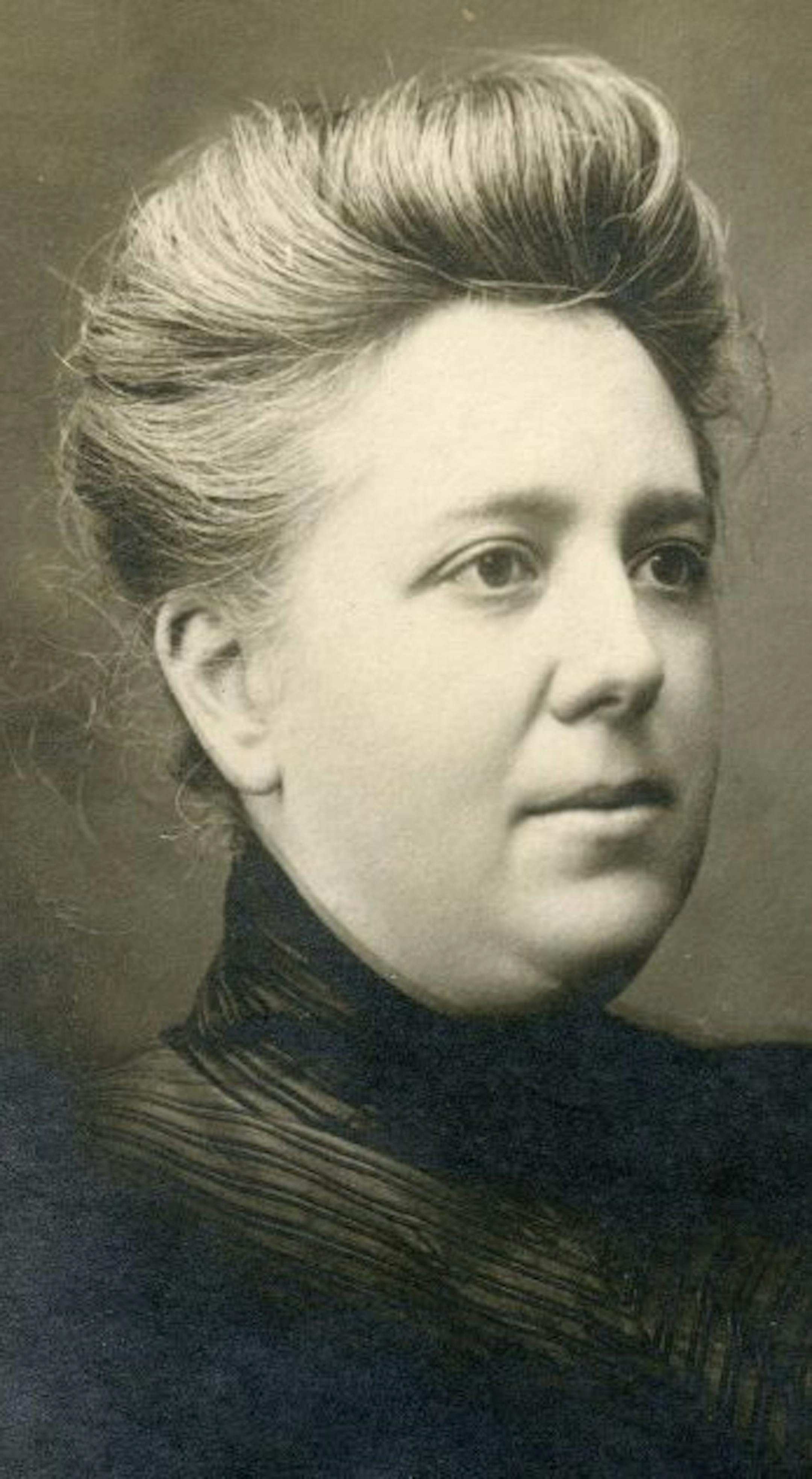
Enter Dr. Flora Aldrich, Anoka's first female doctor and the club's first president. She suggested renaming their group the Philolectian Society. Using a long "i", she explained the word "FILE-o-lec-tian" meant lovers of learning and discourse in Greek.
"Perhaps she was influenced by the Philolexian Society of New York's Columbia University, founded in 1802 and generally considered the oldest college literary society in the U.S.," said Kathleen Rickert, a research librarian at St. Catherine University who has written extensively about the Anoka club.
Aldrich's name won approval, and the Anoka Philolectian Society was formally hatched. More than 125 years later, after helping establish Anoka's first free public library in the 1890s, the Philolectians are still alive. Boasting about 200 members, all women, the group backs a different charity every month and provides annual scholarships. They meet monthly over lunch at Green Haven Golf Course's banquet room in Anoka, inviting authors and experts to speak.
"We give scholarships to young women, although one year we were impressed by an applicant named Pat, who surprised us when he came to thank us," said Ellen Ward, 64, a two-time past president from Anoka who joined in 2001. "And while only married women were allowed in our early years, we no longer care if you're single, divorced or married."
The group keeps alive the legacy of Aldrich — a medical pioneer, author, suffragist and colorful character from early Anoka. A 1924 "Who's Who Among Minnesota Women" called her "a woman of scholarly attainments, commanding presence and magnetic personality."


