

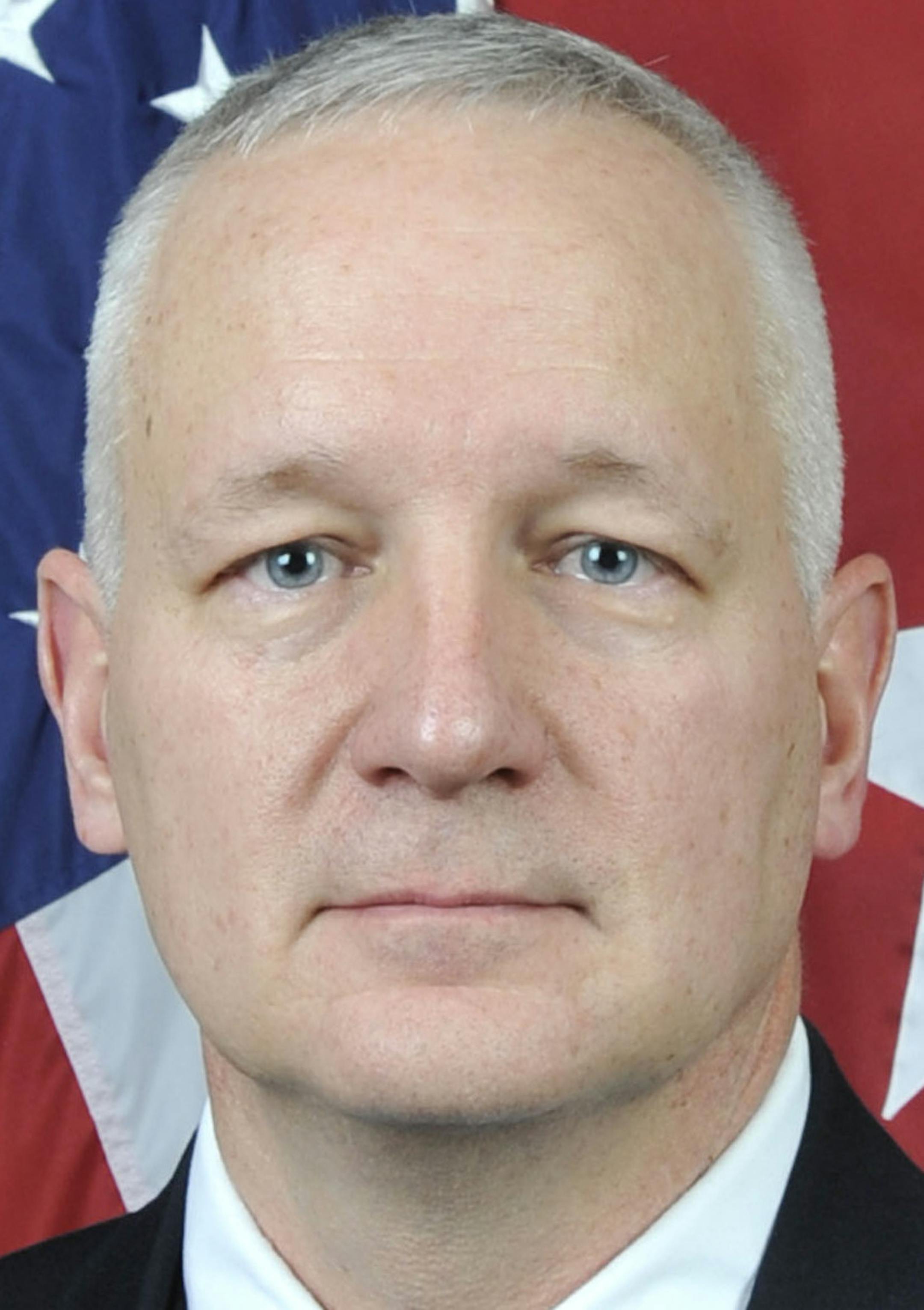
Brig. Gen. Jon Jensen of the Minnesota National Guard is participating in a weeklong conference in Tanzania aimed at better coordination of the U.S. military presence in African nations.
It's an initiative with global implications for such things as the rise of terrorism and the threat of pandemic diseases. But given the large African population in Minnesota, what Jensen learns there will have applications here.
Jensen's day job with the Minnesota Guard is director of the joint staff. But for 60 to 90 days a year, he also is one of two deputy commanding generals for U.S. Army Africa, which oversees Army operations in Africa.
The African Land Forces Summit is a gathering of military commanders from 45 African nations to discuss common threats and challenges, and identify working solutions from a regional perspective.
Africa plays a significant role in U.S. military policy, and its influence is expected to grow. The continent's 54 nations include 3,000 ethnic groups and 2,000 indigenous languages. Its 1.2 billion population is expected to grow to 2 billion by 2050.
Portions of the continent also represent significant threats to U.S. national security. The terrorist organization Al-Shabab is in Somalia, ISIS has a presence in Libya, and Boko Haram is in Nigeria and Cameroon. Al-Qaida is resurging in Ivory Coast, Burkina Faso and Mali.
Illicit human, drug, and wildlife trafficking are continuing threats in unsecured areas, not just regionally but globally. There are threats from pandemic and habitual disease and environmental concerns, such as threats to water supplies.
Seventy-five percent of the world's poorest countries are in Africa, and 38 percent of the world's refugees come from Africa.


