Veronica Robinette watched with astonishment as a foot of water emerged seemingly out of nowhere and transformed her street into a raging river.
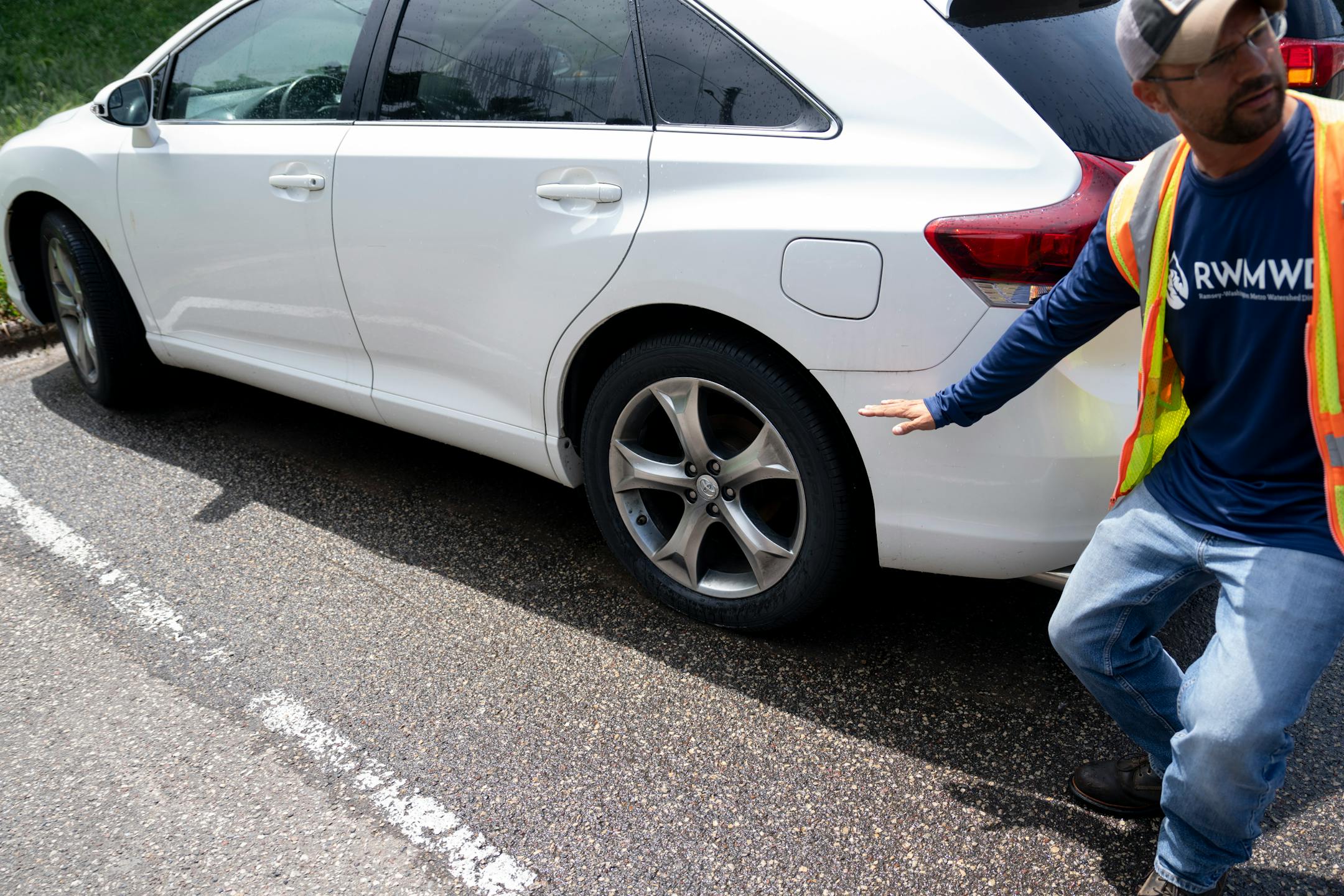
“The cars were floating in the parking lot,” Robinette recalled of the flash flood in her east St. Paul neighborhood in August 2022. “I’m just standing there, and then a river came. It wasn’t just a little at a time.”
Floodwaters pooled halfway up the car doors, inundated the maintenance garage at the community center and washed out a good portion of the adjacent playground, said John Urbanski, the maintenance manager for Roosevelt Homes, the townhouse development where Robinette lives.
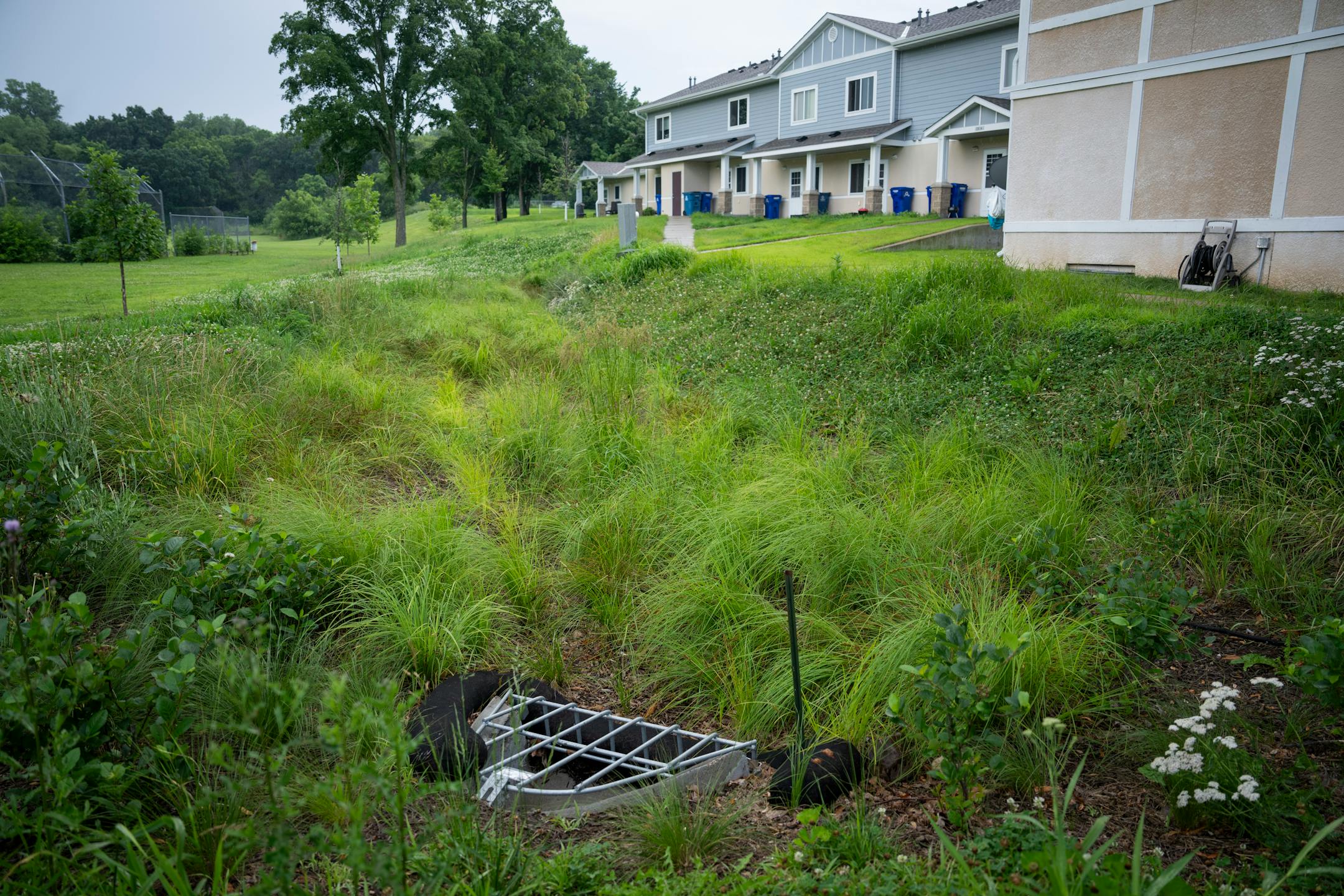
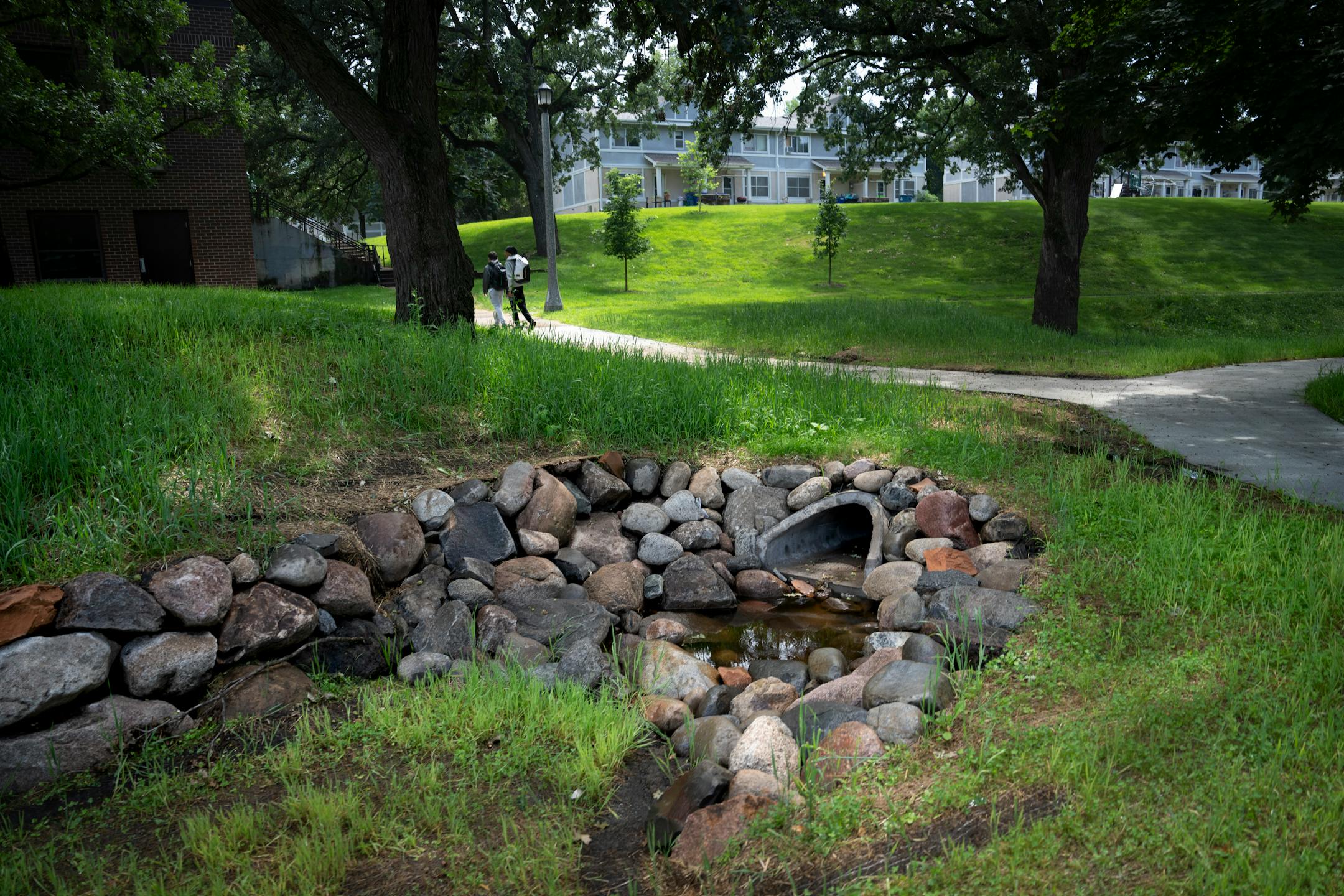
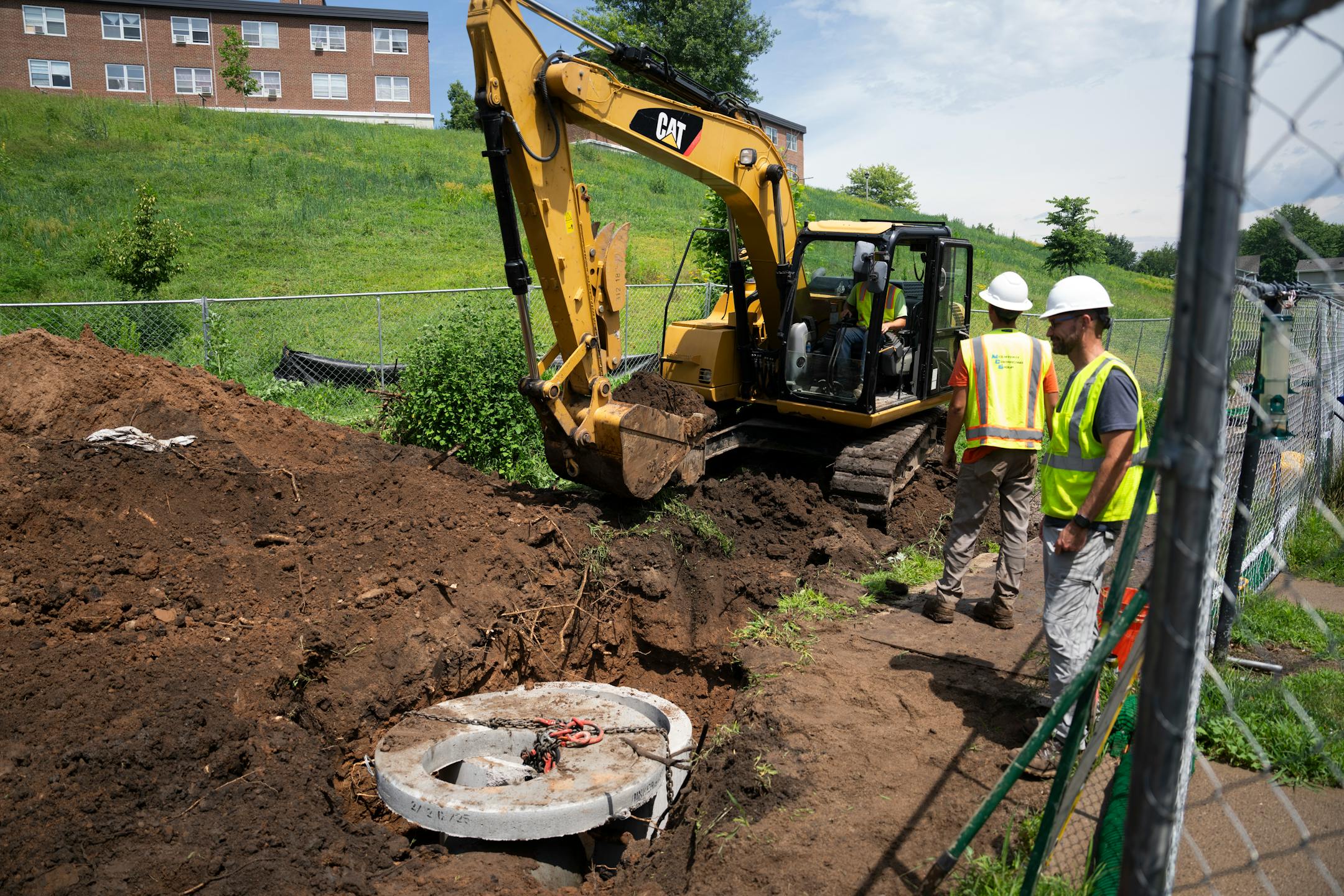
This week, Roosevelt’s owner, the St. Paul Public Housing Agency, finished construction intended to prevent that flooding from happening again. New retention ponds will help drain stormwater more quickly and channel the flows away from properties, and larger drain pipes will help to prevent the drain system from being overwhelmed like in 2022.
The project is one of dozens all across the state that aim to make communities more resilient to extreme rainfall. From Albert Lea to Duluth, cities, counties and other municipalities are installing new flood basins, replacing outdated sewer lines and taking other steps to reduce flood risks.
While flooding in Minnesota tends to be milder than in places like Texas or New York, both of which experienced major deluges this month, climate change has made flooding an increasingly common problem here. Minnesota, like much of the Midwest, has become hotter and wetter over the decades, and climate scientists say that trend will continue.
In response, Minnesota agencies are providing tens of millions of dollars to communities for flood prevention. The Minnesota Legislature appropriated $9 million this year and more than $61 million in 2023 — a surplus budget year. Last year, the Minnesota Pollution Control Agency awarded more than $34 million to cities, counties and watershed districts for flood mitigation projects. Several of those projects will start construction this summer.
“We certainly have been proactive with flood mitigation,” said Matt Bauman, who handles flood mitigation grants for the state Department of Natural Resources. “I can’t say how many states have a state funding program, but there’s not a lot.”