

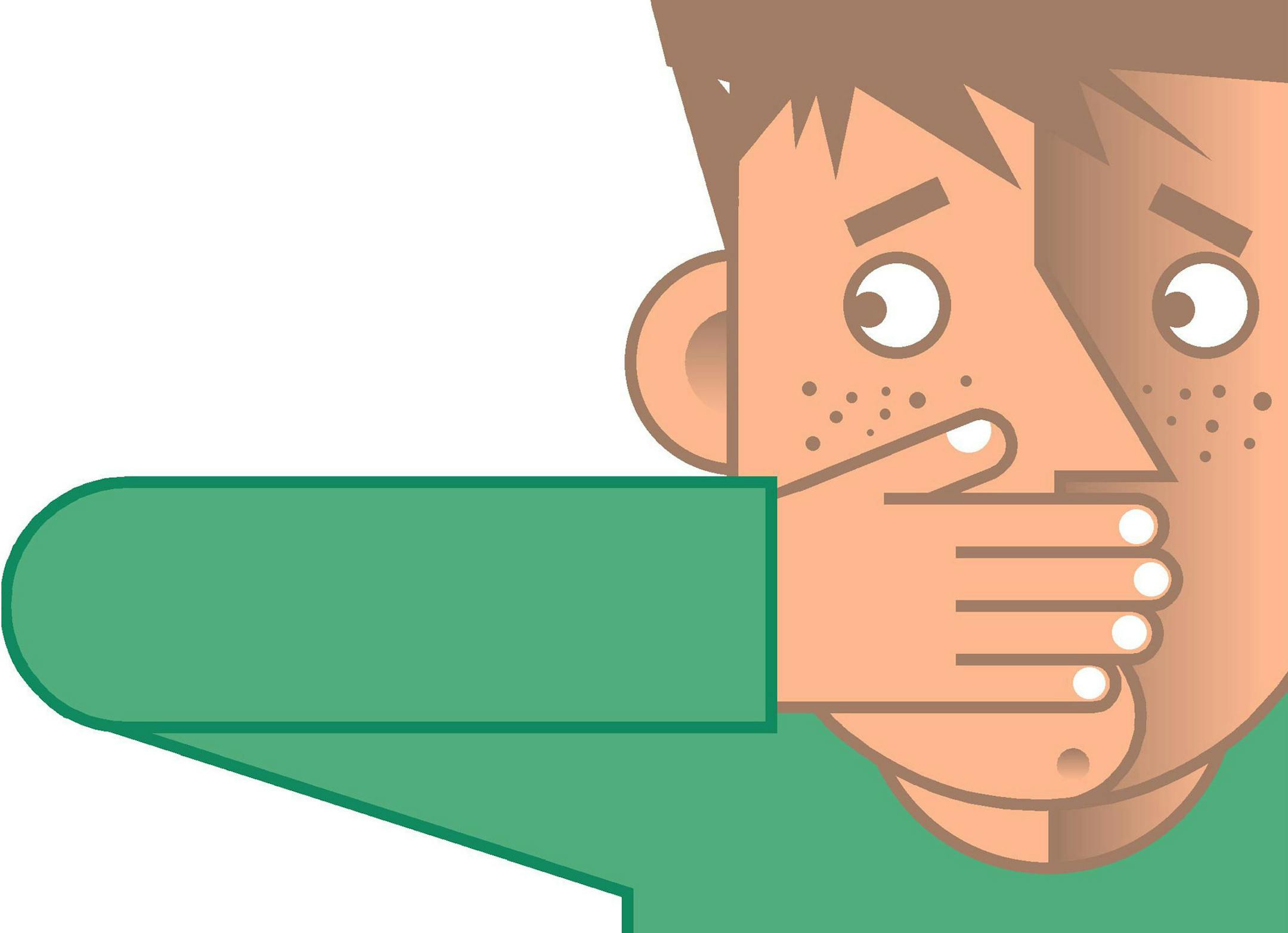
It seems like something we could all agree on: Minnesota schoolkids should be able attend school without fear of being bullied, harassed or intimidated. And if it does happen, they should be confident that something will be done about it.
That's the message hundreds of citizens have sent in recent meetings and rallies in St. Paul, Minneapolis and Duluth. It's time for lawmakers to get off the dime and pass more comprehensive antibullying rules. Often this state has been a leader on human rights and education innovation. But on this issue, we're bringing up the rear.
With its paltry 37-word statute, Minnesota has one of the weakest antibullying laws in the nation. Adopted by the Legislature in 2006 and amended in 2008 to include cyberbullying, it requires school boards to adopt policies that address intimidation and bullying in all forms. But the law doesn't outline the conditions under which a school has authority over student conduct, and it prohibits bullying without actually defining it.
During the past several sessions, new legislation was proposed but not passed. But earlier this year, Rep. Jim Davnie and Sen. Scott Dibble, both Minneapolis DFLers, introduced the Safe and Supportive Minnesota Schools Act. It would require schools to develop detailed antibullying policies and set up protections for students who face harassment, including those bullied because of their race, religion or sexual orientation.
More than 100 Minnesota organizations want a more comprehensive law and have said so in recent meetings. The Safe Schools For All Coalition includes education, disability, youth, religious, LGBT and social service organizations.
Education Minnesota, the 70,000-member teachers union, is among them. Educators who are on the front lines with students understand the challenges of teaching and learning in a hostile, unsafe environment.
Critics of changing the law say the proposed legislation is overly broad and may impinge upon free speech rights. They worry about school liability and lawsuits, and that minor disagreements between students could be blown up into court cases. Others believe that naming specific groups that have been targeted leaves out other students.
But all of those concerns have been addressed and disputed. The language of the proposed legislation clearly applies to all students. Schools already are subject to legal action, as several high-profile court cases have shown. The new requirements would include training and other tools that would help teachers and staff work with students to reduce incidents and avoid lawsuits.


