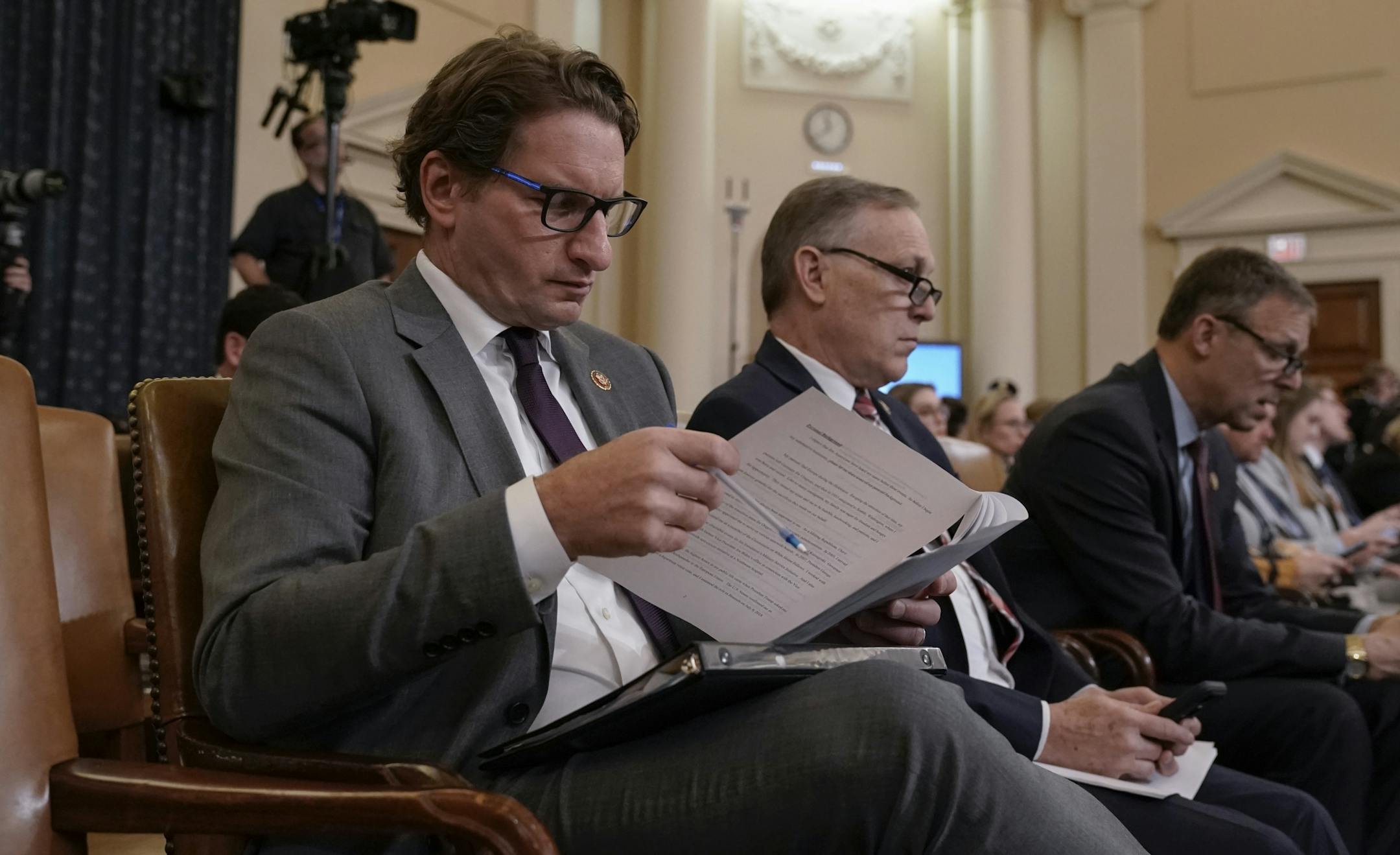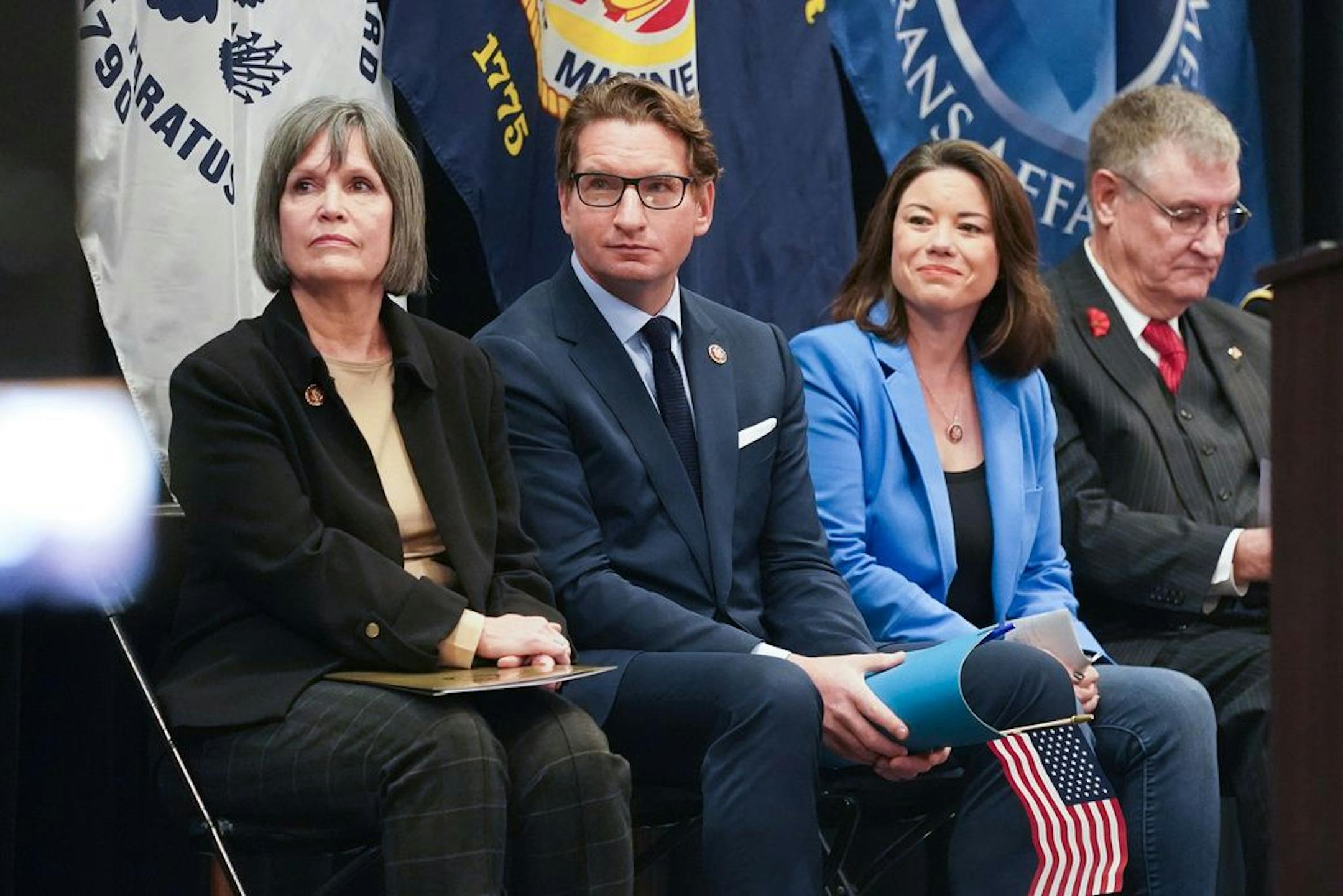
It was a mostly pro-impeachment crowd at U.S. Rep. Dean Phillips' town hall meeting in suburban Brooklyn Park last month. A retired DFL legislator from Minnetonka drew applause from many of the 200 people when he urged Phillips and his fellow Democrats in Washington to "regain the authority" in the impeachment process underway against President Donald Trump.
But Phillips, a freshman who unseated a long-serving suburban Republican last year, was measured in his response. "I didn't run for Congress to impeach a president," he told the group. Phillips reminded his constituents he was slow to back the impeachment inquiry — "I resisted a lot of calls from the left to come out many months ago."
The political verdict on the impeachment push by the House's Democratic majority will depend in large part on the response of voters in suburban congressional districts increasingly at the fulcrum of national elections. Phillips, who won his suburban Hennepin and Carver County district on a message of political unity, must now reconcile his desire for bipartisanship with support for an impeachment inquiry that's split Washington along party lines.
As the House Intelligence Committee on Tuesday released its impeachment report, Republicans were scaling up their message that House Democrats are fixated on impeachment at the expense of progress on issues like jobs and schools that polls show are top concerns for suburban swing voters.
"I am talking to a lot of people who say they are independents and I don't hear a lot of support for this," said Kendall Qualls, a Republican running against Phillips next year. Though Democrat Hillary Clinton carried the Third District in 2016, Qualls has not been reluctant to speak against impeachment.
"Democratic leaders have been promoting his impeachment from the very beginning," Qualls said. "It's an affront to the people that voted for [Trump]."
Phillips and another freshman House Democrat, Rep. Angie Craig, both flipped suburban Republican districts last year — both riding a blue wave that carried Democrats into their House majority. Those DFL victories, combined with more recent gains in suburban races in other parts of the country this year, have Democrats plotting a 2020 strategy that relies heavily on suburban voters moving away from the Republican Party of Trump.
"Suburban voters are rejecting Trump," the Democratic National Committee said in a statement Nov. 7, the day after Democratic victories in suburban parts of Pennsylvania, Virginia, Kentucky and other states mirrored the party's gains in 2018.