
Opinion | Minnesota deserves good policy, not political theater

We’re not short on opinions. We’re short on good policy grounded in reality and measurable outcomes.

February 5, 2026 at 10:58AM
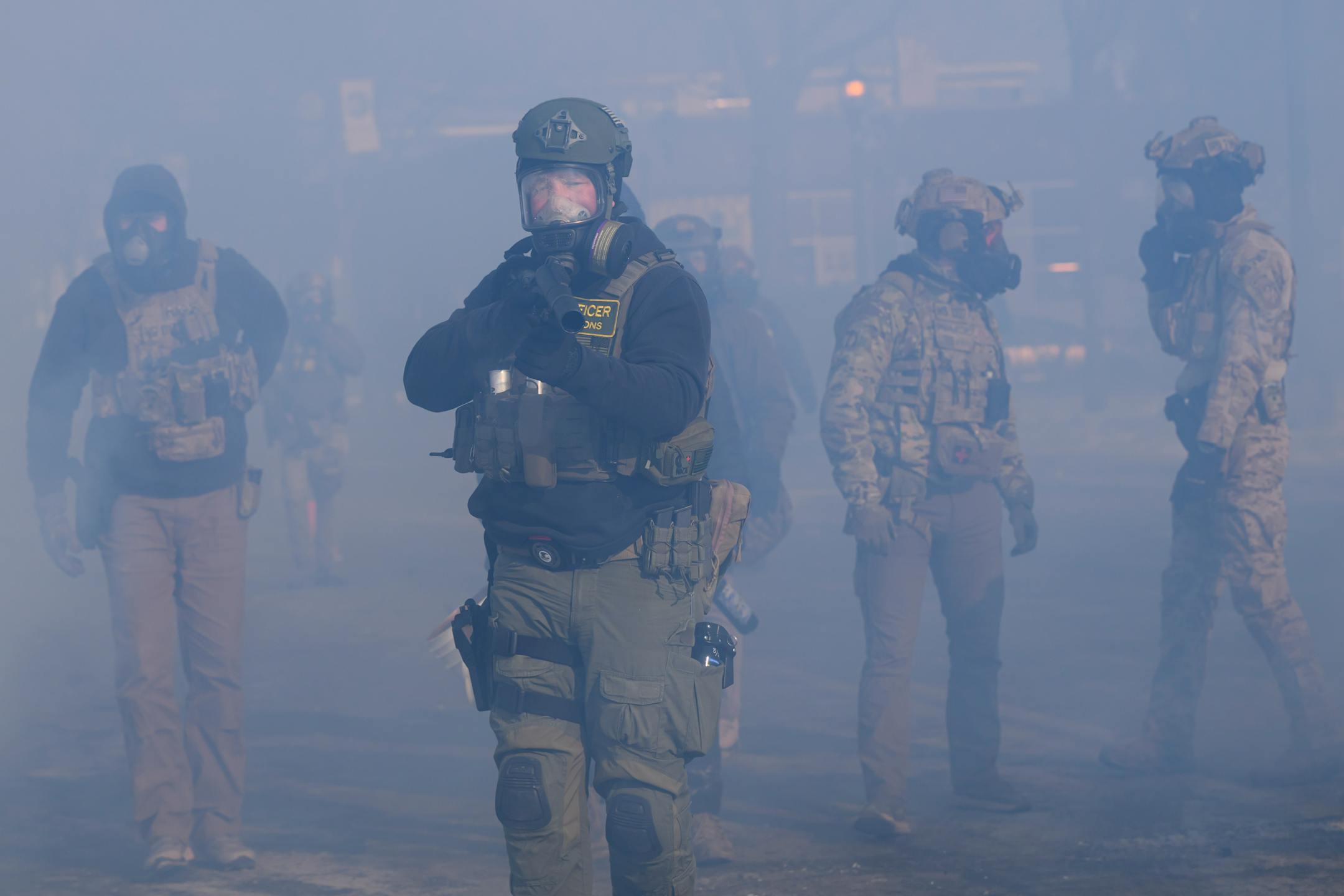
Federal agents advance on protesters on Nicollet Avenue near West 27th Street after a federal agent fatally shot Alex Pretti on Jan. 24 in Minneapolis. (Aaron Lavinsky/The Minnesota Star Tribune)

Opinion editor’s note: Strib Voices publishes a mix of guest commentaries online and in print each day. To contribute, click here.

•••

Good intentions don’t make successful policy. Results do.

Much debate centers on how we can come together when we feel so divided. One place we still can is around goals and the data that tells us whether we’re achieving them.

Minneapolis is not short on opinions or ideology. We are short on good policy grounded in reality and measurable outcomes. Thankfully, good policy does not require shared ideology. It only requires shared standards: a defined public benefit, measurable results and accountability.

Quoting Voltaire, President Barack Obama warned us not to “let perfect become the enemy of good.” My modern update: Don’t let ideology become the enemy of your desired outcome.

Policy is not the goal. Policy is the tool used to achieve an outcome. I believe, at least at top level, we can still mostly agree on end goals.

The current Department of Homeland Security deployment in Minnesota is a clear example. When we retreat to ideological corners to debate legality, morality or facts of specific individual incidents, we risk losing sight of the central question: Is the policy achieving its stated goal of making Americans safer?

Both sides acknowledge several basic facts.

Roughly 2,000 to 3,000 federal agents have been deployed in Minnesota. Even conservative assumptions for a multiagency surge (salary, overtime, vehicles, lodging, supplies, per diems and logistics) point to taxpayer costs in the multimillions of dollars per day, not counting indirect costs to communities, local economies and trust in civic institutions.

Minnesota is estimated to be home to roughly 130,000 undocumented immigrants (approximately 1% of the national total, or 2.2% of Minnesota’s population).

Incarceration rates per 100,000 (Cato Institute)? For U.S. citizens: 1,221. For immigrants: 613. For undocumented immigrants: 319 (or about 25% of the rate for U.S. citizens).

In 2024, there were 170 homicides in Minnesota. In Minnesota in 2024, we can estimate one to four homicides involving undocumented immigrants.

In 30 days of deployment in Minnesota, Immigration and Customs Enforcement and Border Control agents have been involved in two homicides (roughly the same number of deaths in one month as undocumented immigrants over one year) and other disruptions, regardless of who is to blame.

Local leaders, including the governor and the mayor of Minneapolis, have specifically asked them to leave.

Is our millions-per-day ICE deployment in Minnesota a strategy that measurably improves public safety? Clearly available data suggests the policy in its current form, for whatever reason, has not improved safety outcomes commensurate with its cost and disruption. The policy is currently failing.

Here’s my centrist view: You can believe we need orderly immigration and still question large-scale operations with unclear objectives. You can support enforcement and still insist tactics be lawful, targeted and transparent.

I believe our state can model a better civic conversation — calm, data-driven and anchored in shared goals. That is how we start to find consensus again. But we can’t come together if we allow national political tactics or local political distractions to hijack public attention while real problems go unsolved.

Like many Minnesotans, I find myself distracted by outrage. I could tell you personal stories about the injustices I’ve witnessed with my own eyes. Or about how I’ve had to reassure my frightened, crying children that it’s safe to go to school, or the memorials for Alex Pretti and Renee Good. But emotions shouldn’t distract us from requiring every leader to answer the same basic question before spending public money on any policy: What is the goal? How does it benefit society? And how will we measure success?

That’s where consensus lives. And that’s how democracies work.

So I’m asking for help reframing our debates. Instead of debating what-about-ism, morality, legality or isolated incidents, let’s insist that elected leaders start with one basic requirement: to clearly state the goal of a policy, its cost, and how success will be measured. If we stay focused on the outcome, the effectiveness of the policy becomes much easier to evaluate.

I know I’m conceding a lot of debatable points to the administration, and shelving many arguments about state rights, civil rights abuses, underlying motives and more, but we should be willing to if it helps us agree on the next best step: ICE needs to leave now.

Matt Dowgwillo is a Minneapolis civic advocate and former Park and Recreation Board candidate.

about the writer

about the writer

Matt Dowgwillo

More from Commentaries

See More
card image
Aaron Lavinsky/The Minnesota Star Tribune

We must resist assaults both on our people and on our public lands.

card image
card image