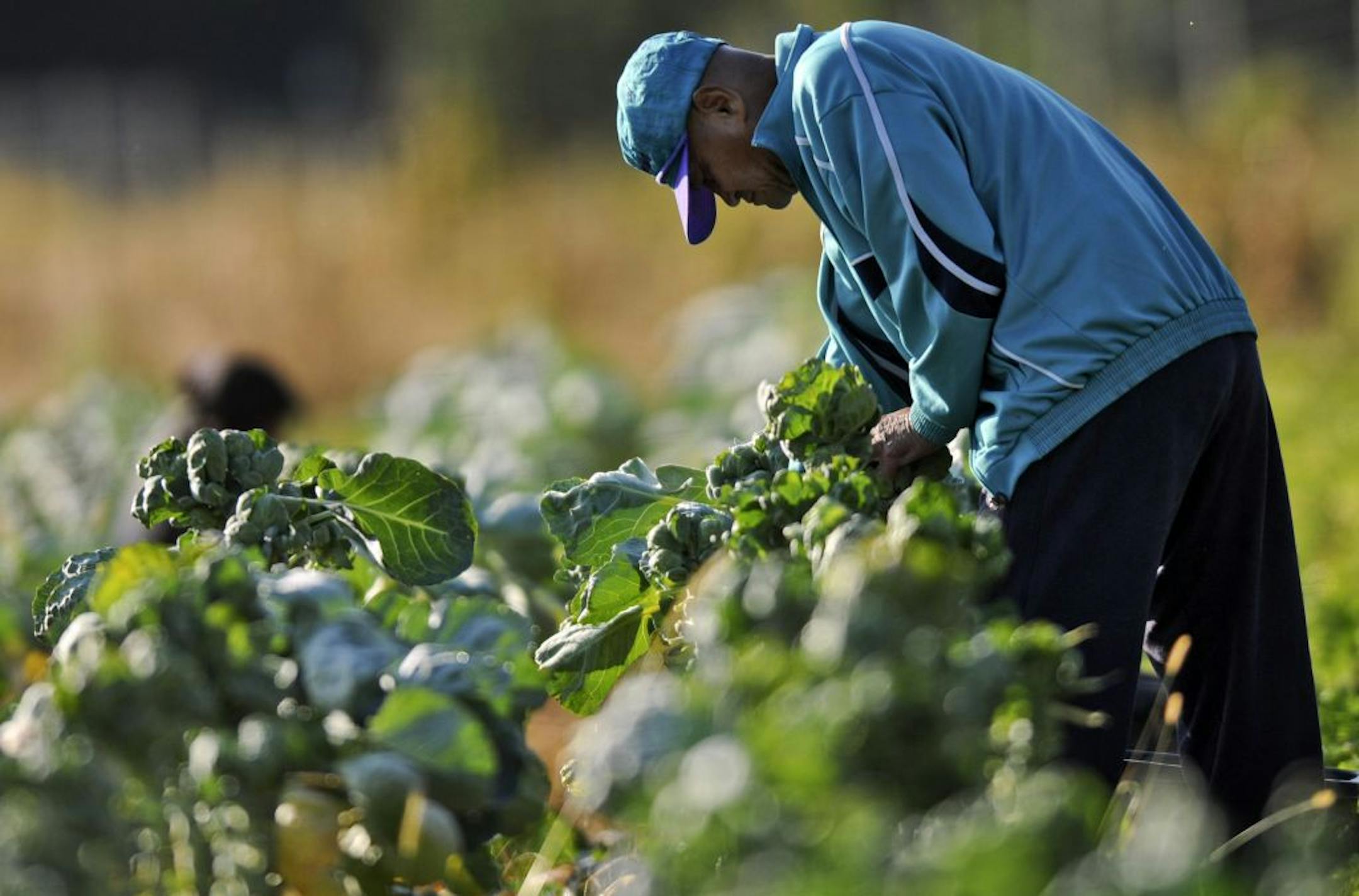
As a rising sun lifts the chill from his rows of vegetables, Mohamed Gaabane pulls radishes, a singular lank figure in pursuit of the American dream.
This is Big River Farms, a 60-acre farm "incubator" near Marine on St. Croix, where immigrant and minority farmers learn how to produce crops that will find a ready market in Minnesota. It's here, where the field is a classroom, that they learn to grow organic food with dreams of something bigger.
Having been a farmer in Somalia, Gaabane looks forward to the day when he can return to farming in Minnesota. He wants a place where he can raise chickens and goats and grow kale, tomatoes, squash and other vegetables for his native community in the Twin Cities.
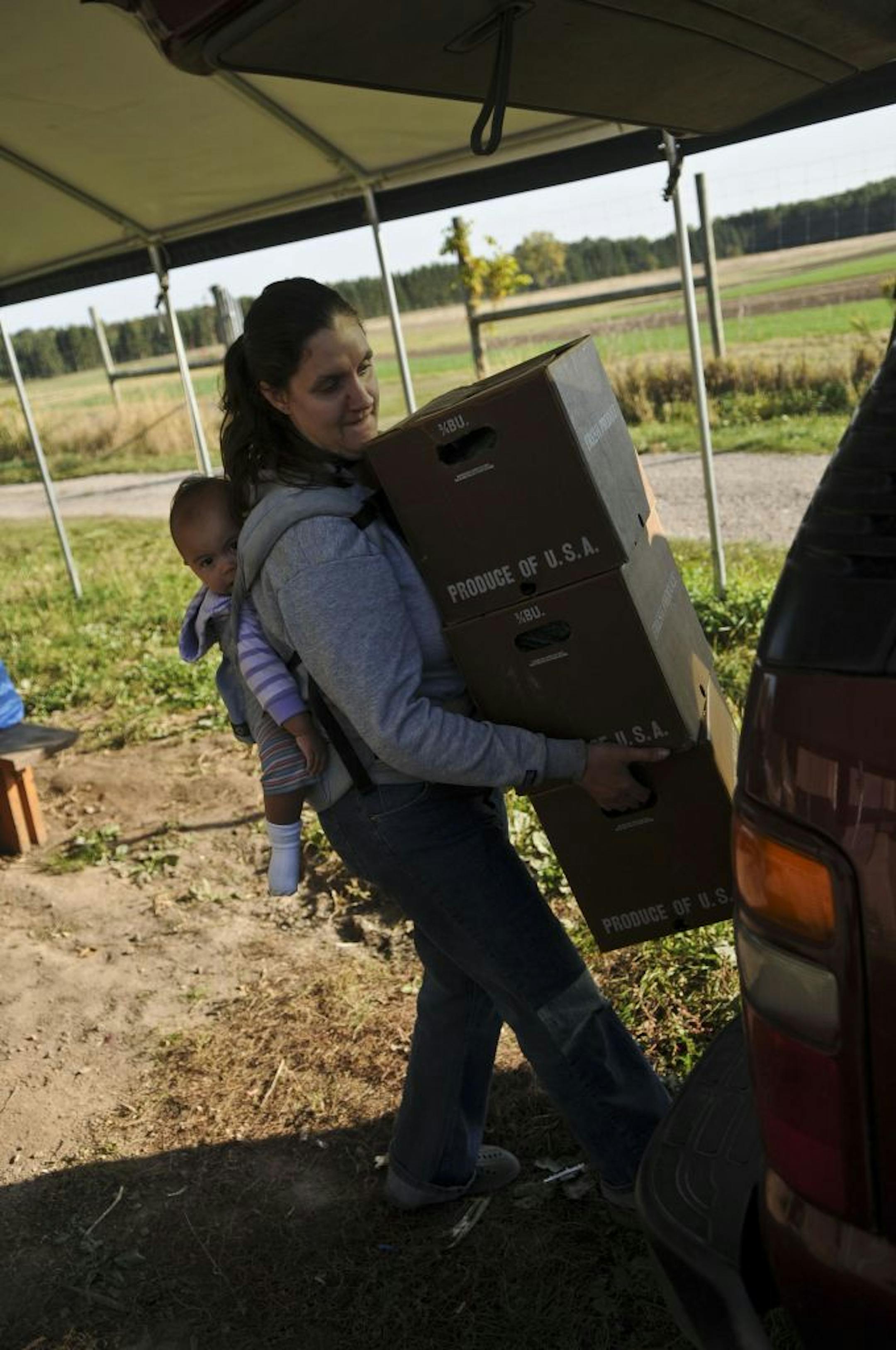
Across the field, Amy Doeun packs vegetables into boxes for delivery to customers. She and her husband, Proeun, a native of Cambodia, enrolled at Big River Farms three years ago. Their dream is much the same as Gaabane's -- to learn enough about agriculture to become independent farmers.
The Doeuns, a cross-cultural St. Paul family, have four children. Proeun drives a metro bus when he's not at Big River. Amy said they've been told by friends that they're "throwbacks" to an earlier time when farmers toiled away without help from machines to fill tables in nearby homes.
"I think it's a real big sense of accomplishment that we grew all this food that we're feeding all these families, feeding our family," Amy said. "It's a lot of hard work, but it's rewarding work."
Big River Farms, a program of the Minnesota Food Association (MFA), began operations in 2005 at its current location in the Wilder Forest in northern Washington County. Its mission: To train those enrolled in every aspect of farming, including the hard work of selling that comes after crop production.
Farming at Big River is done by hand. Plots vary in size, from a couple of rows to an acre or so, but they're never called "gardens." They are small-scale "farms" where enrollees learn the same practices that apply at bigger farms. They're even encouraged to name their farms, said Glen Hill, the MFA's executive director.