

A friend recently sent me a photograph that tells a powerful story about the situation Venezuelans find themselves in. It's not a very good picture, really, just a blurry cellphone shot of trash: some wrapping material, an old CD — the detritus left behind after a store was looted last week in San Felix, a city in the country's southeast.
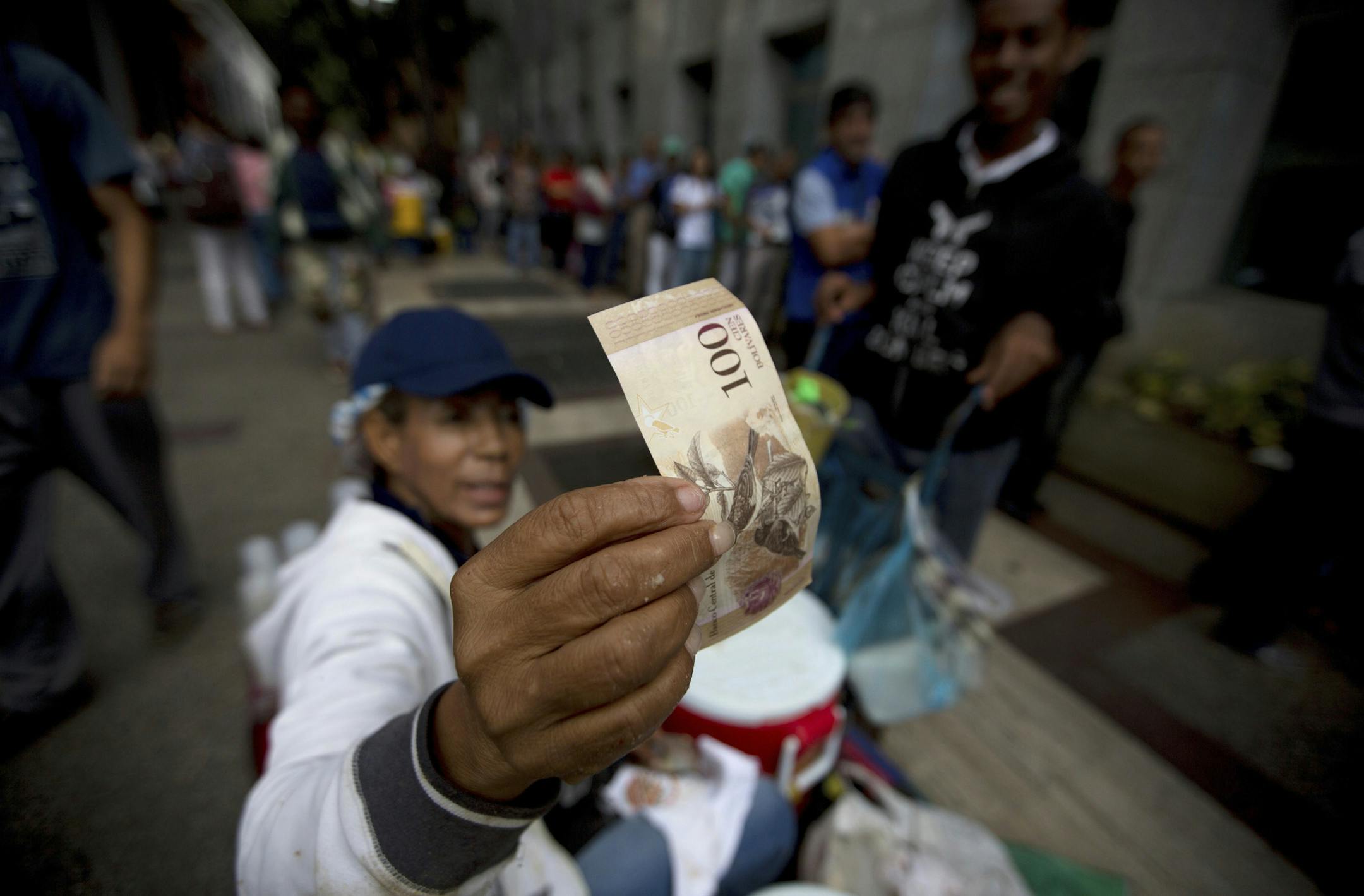
Yet I can't stop thinking about it. That's because, strewn about in the trash, are at least a dozen 20-bolívar bills. The small-denomination currency is now so worthless looters didn't think it was worth their time to pick up.
In theory, according to the "official" exchange rate (which long ago lost even a hint of connection with reality), each of those bills is worth $2. In fact, as Venezuela sinks deeper and deeper into the first hyperinflation the Western Hemisphere has seen in a generation, bolívar bank notes have come to be worth, basically, nothing.
Each bill is worth about $0.0001 at the current exchange rate, meaning you need to have 100 of them to equal one penny. It's easy to see why thieves left them behind.
Hyperinflation is disorienting. Five or six years ago, the 500 bolívares on the floor would have bought you a meal for two with wine at the best restaurant in Caracas. As late as early last year, they would have bought you at least a cup of coffee. At the end of 2016, they still bought you a cup of café con leche, at least.
Today, they buy you essentially nothing ... well, except for 132 gallons of the world's most extravagantly subsidized gasoline.
Prices are now rising more than 80 percent per month, according to the opposition-led National Assembly's Finance Committee. (The government itself stopped publishing official inflation data long ago.) At that rate, prices double every 34 days. Salaries fall far behind, leaving more and more of the country to face outright hunger. Thus the looting.
Rule No. 1 in surviving hyperinflation is simple: Get rid of your money. Given the speed with which money is shedding value, holding onto it means you're losing. The second you're paid you run as fast as you can to buy something — anything — while you can still afford it. It's better to hold almost any asset than money, because assets hold their value and money doesn't.


