

Opinion editor's note: Star Tribune Opinion publishes a mix of national and local commentaries online and in print each day. To contribute, click here.
•••
When the summer began, the Biden administration was mired in failure. Inflation was high; the Build Back Better agenda was dead; the Democrats were doomed. Then came the fastest turnabout I've seen in American politics. In short order, the CHIPS Act and the Inflation Reduction Act passed; President Joe Biden canceled billions in student debt; gasoline prices dropped; employment kept booming; Democrats began outperforming in special elections.
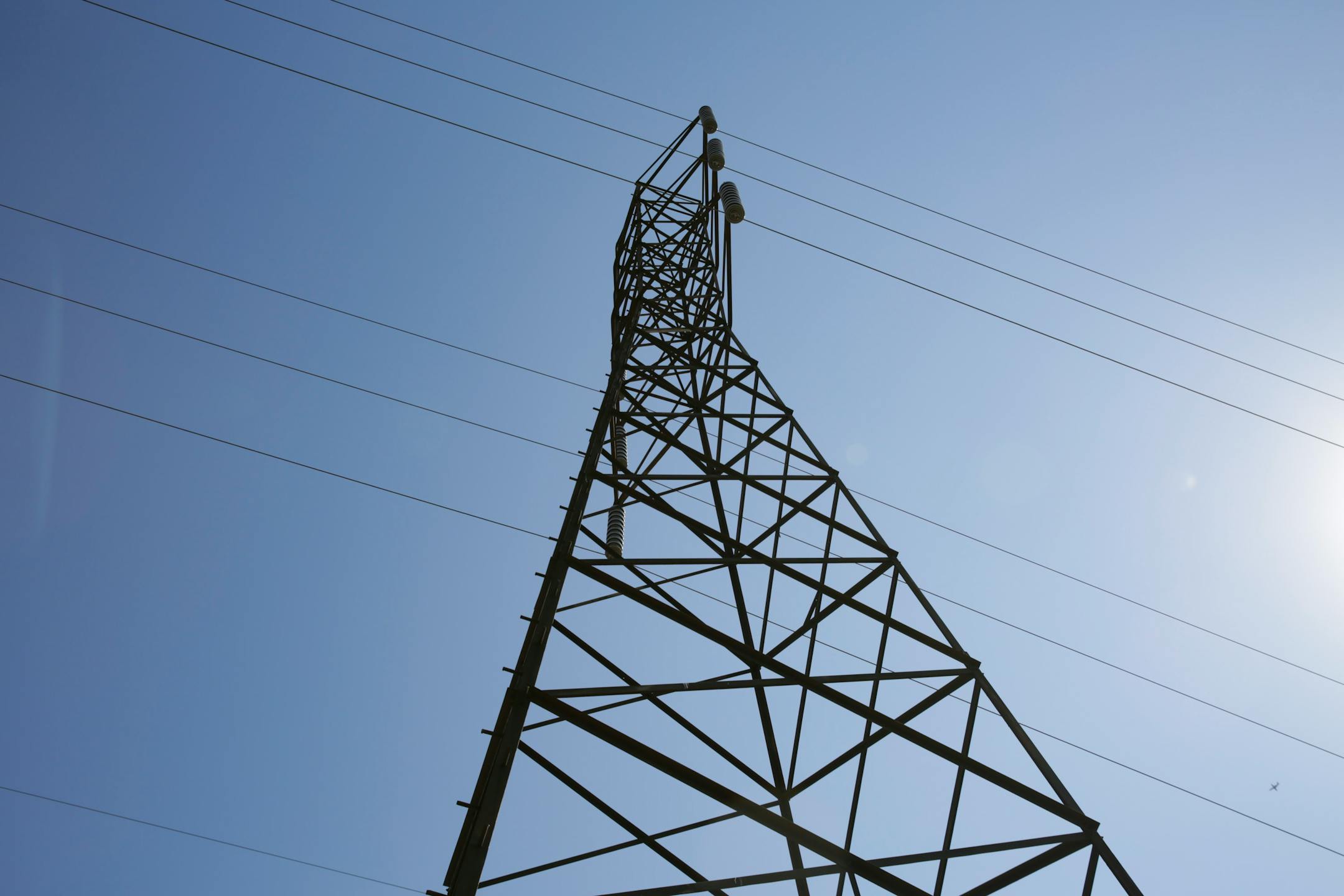
Recent presidents have etched their core achievements in the tax code, in regulatory language, in social insurance programs. If Biden succeeds, his legacy will be atypically physical: electric vehicle charging stations, battery manufacturing plants, vast areas of land covered in wind turbines and solar panels, tens of millions of homes warmed by heat pumps, thousands of miles of new energy transmission lines, new hubs for hydrogen energy research and development, and the list stretches on. Build back better, indeed.
But all of this is, for now, merely imagined. The passage of these bills does not ensure the realization of Biden's aims. Biden's legacy — and our climate future — will turn on what actually gets built and how quickly.
The Bipartisan Infrastructure Act, the Inflation Reduction Act and the CHIPS Act add up to about $450 billion in clean energy investments, subsidies and loan guarantees. It's a lot of money, though less than Biden hoped for and much less than climate activists wanted. But it's not just money. In conversations with Biden advisers, I heard the climate strategy described as a three-legged stool. Investment — money — is one leg. Another is standards. The various payment programs are thick with provisions demanding that this much of an electric car be made in the U.S., adding bonus payments for creating jobs in low-income communities or insisting that a project pay prevailing wages. The third leg is coordination and planning — creating structures and setting aside cash to persuade the many, many stakeholders who need to work together to get anything built to cooperate.
This is a rickety stool. One leg of it — money — is longer and sturdier than the other legs. There are standards in the bill, yes, but the most important of them — the Clean Electricity Performance Program, which would have used payments and penalties to keep utilities on track for zero-carbon electricity — was dropped. And the coordination and planning provisions of the bill are even spottier, and in key cases, nonexistent.
•••


